
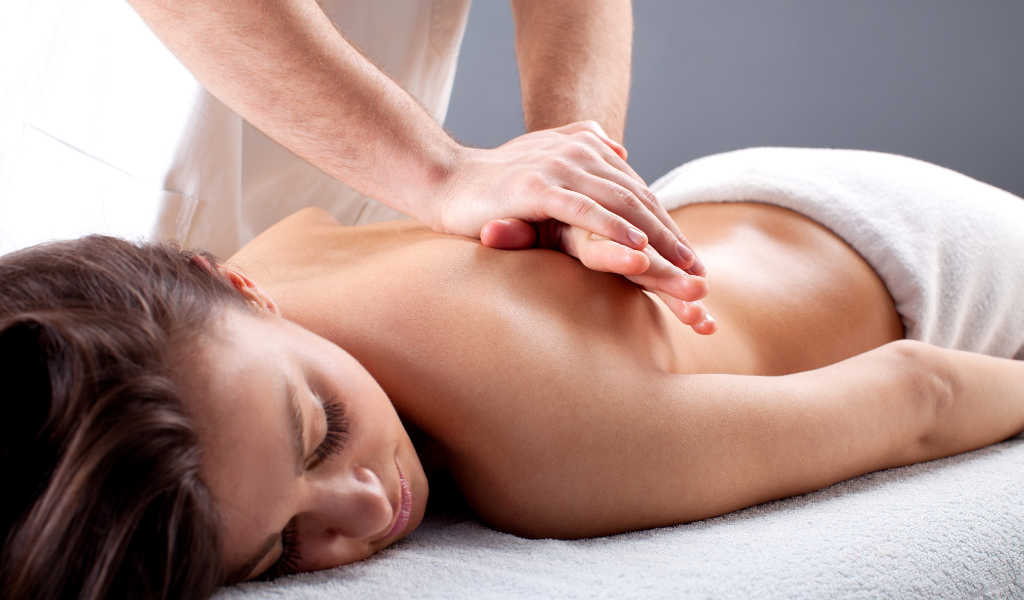
An in-depth look at the origins, techniques, and benefits of one of the most popular practices for relaxation and body vitality.
Among the numerous manual approaches dedicated to body care, the Swedish massage It has long occupied a prominent position. Not only for its effectiveness, but also for its ability to combine simplicity and depth: a rare balance, which makes it suitable both for those who are approaching massage for the first time and for those looking for a constant and targeted treatment for keep the body healthy over time.
In areas like Flaminio, North Rome, more and more people are rediscovering this treatment as an integral part of a lifestyle oriented towards authentic well-being, free from excess but attentive to quality.

Origins and philosophy of Swedish massage
Developed in the 19th century by Swedish physician Per Henrik Ling, Swedish massage is based on a series of structured manual maneuvers, designed to stimulate the muscles, improve circulation and promote deep relaxation. Unlike more energetic or oriental techniques, this European approach aims to physical and nervous rebalancing, through measured, progressive gestures that respect individual rhythms.

How does a session take place?
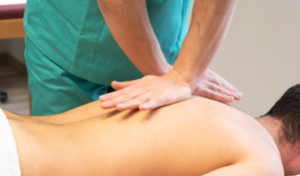
A typical Swedish massage session lasts between 40 and 60 minutesThe therapist works on the whole body, or on targeted areas (shoulders, back, legs), using:
-
Slow and relaxing touches (effleurage)
-
Deeper kneading (petrissage)
-
Pressure and friction to release localized tension
-
Light percussion and vibrations to tone
The pace and intensity vary according to the person's needs, physical condition, and the goals of the session.
Benefits beyond relaxation
Swedish massage is known for its relaxing qualities, but it also offers functional benefits interesting, especially when integrated into a regular wellness routine:
-
Improve the lymphatic and venous circulation
-
Relieves muscle tension due to prolonged postures or stress
-
It promotes the body awareness and the deep breath
-
It helps to regulate the sleep-wake rhythm
-
It can help to counteract mental fatigue, often linked to emotional or cognitive overload
In some phases of life, when you perceive changes in the body or energy level, this type of treatment can represent a valid non-invasive support.

A gesture of care that goes beyond the surface
Swedish massage is not only a pleasant break, but it can become a conscious practice of listening to the bodyIn an era where it is easy to fall into quick or poorly personalized solutions, its effectiveness lies precisely in the slowness and precision of human contact.
Those who live in areas like Flaminio, Parioli, Prati or other areas of Northern Rome, often looking for places and treatments that combine professionalism, a private environment and continuity over timeIn this sense, Swedish massage fits naturally into a routine of attention, prevention, and sustainable well-being.
Contraindications: when it is best to avoid it
Although it is a gentle technique, Swedish massage requires some precautions. It is not recommended for:
-
acute febrile or inflammatory states
-
unmonitored vascular fragility
-
infectious skin diseases
-
some serious cardiovascular conditions
In case of doubts or chronic pathologies, a medical consultation is always recommended before treatment.
A practice that spans time
From 19th-century Scandinavian clinics to modern treatment rooms in urban settings like Rome, Swedish massage has survived the centuries without losing its effectiveness. In an age where self-care is increasingly a conscious choice, this technique still represents today one of the simplest and most intelligent forms of listening to the body.



Via Donatello 75
00195 Rome
Tel. (+39) 06 39375719


Mon. – Fri. 8:00 – 20:00
Saturday 8:00 – 14:00

Via Donatello 75
00195 Rome
Tel. (+39) 06 39375719
Mon. – Fri. 8:00 – 20:00
Saturday 8:00 – 14:00

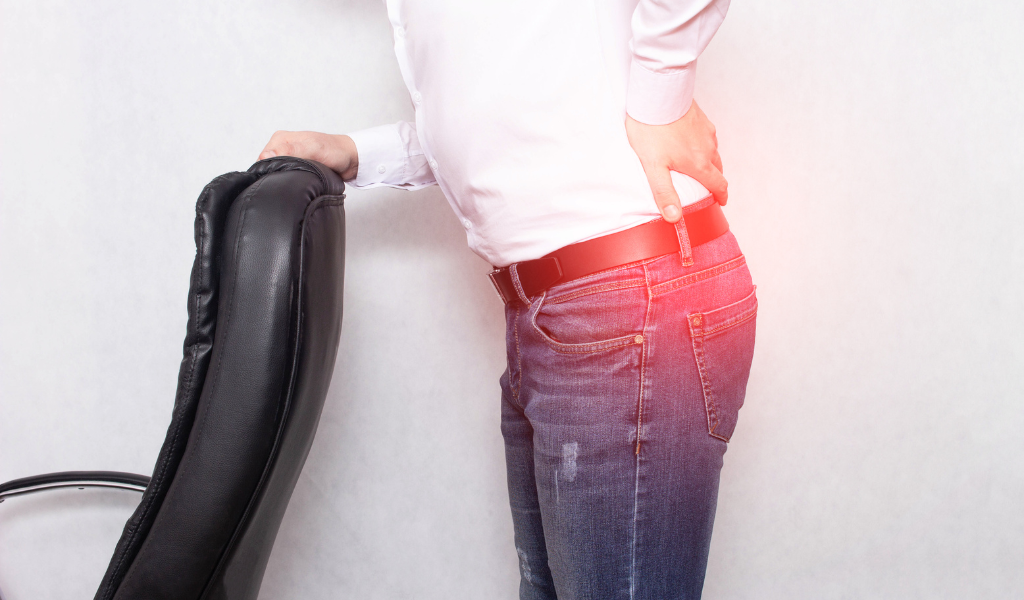
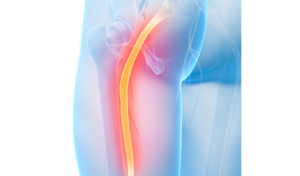 Sciatica refers to pain radiating along the sciatic nerve, the longest and widest nerve in the human body. This nerve extends from the lower back, through the buttocks, and down the back of each leg. Sciatica can manifest as a dull, burning, or sharp pain, often accompanied by tingling or numbness along the nerve's path.
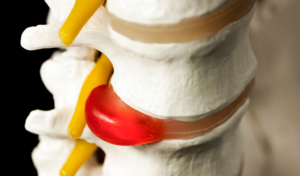 Lumbar Disc Herniation: One of the most common causes, in which the inner material of a spinal disc bulges and compresses the sciatic nerve.
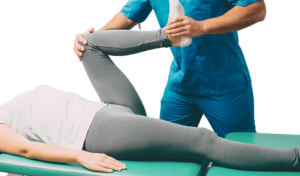 Therapeutic Exercises aimed at strengthening the back muscles and improving flexibility.

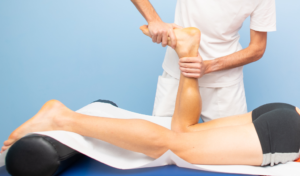 planning of personalized treatments, that is, develop treatment plans adapted to the specific needs of the patient, taking into account neurological responses;
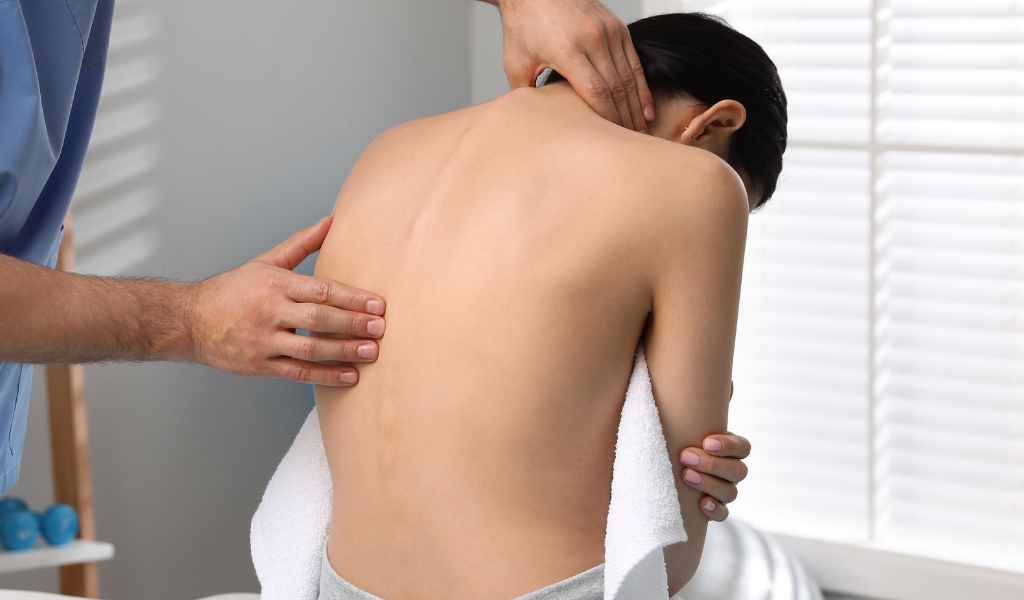
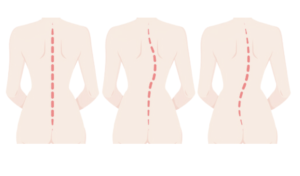 Rotation of the vertebrae. It can occur at different age groups and may be caused by genetic factors, muscle problems, or nervous system dysfunction.
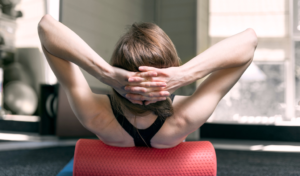 • Application of targeted pressure to release muscle tension associated with scoliosis.
 Neurodynamics can be successfully integrated with traditional scoliosis therapy, which may include conventional physical therapy, stretching exercises, and manual therapy. A thorough assessment by a specialized physical therapist will guide a personalized treatment plan that takes into account the patient's specific needs.
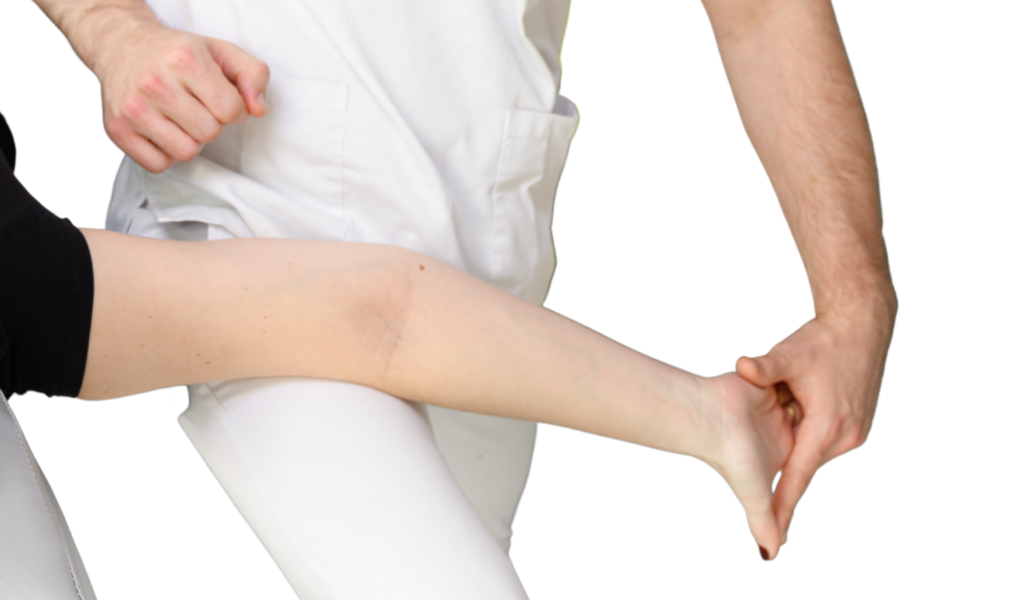
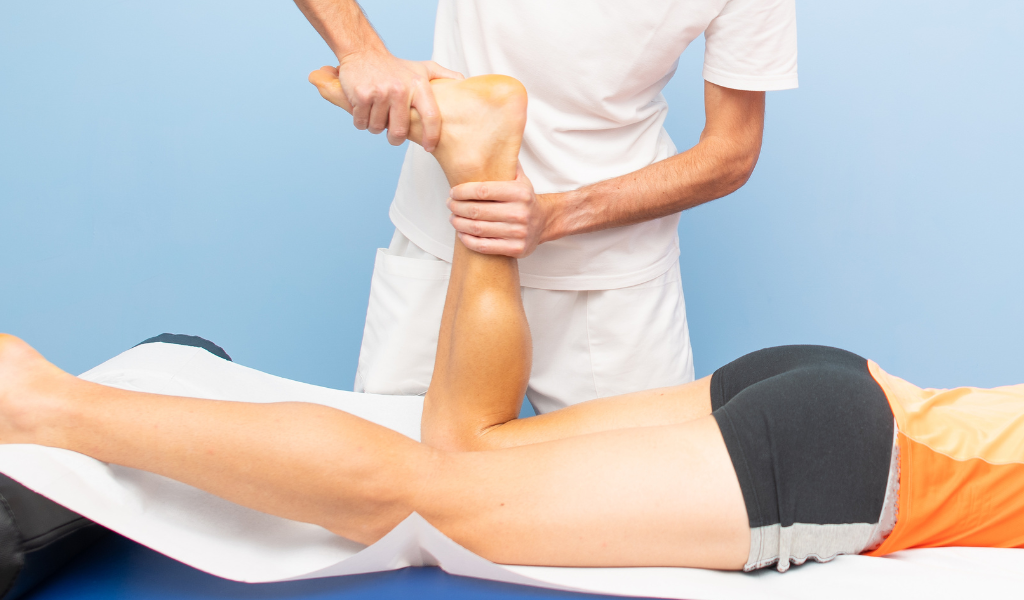
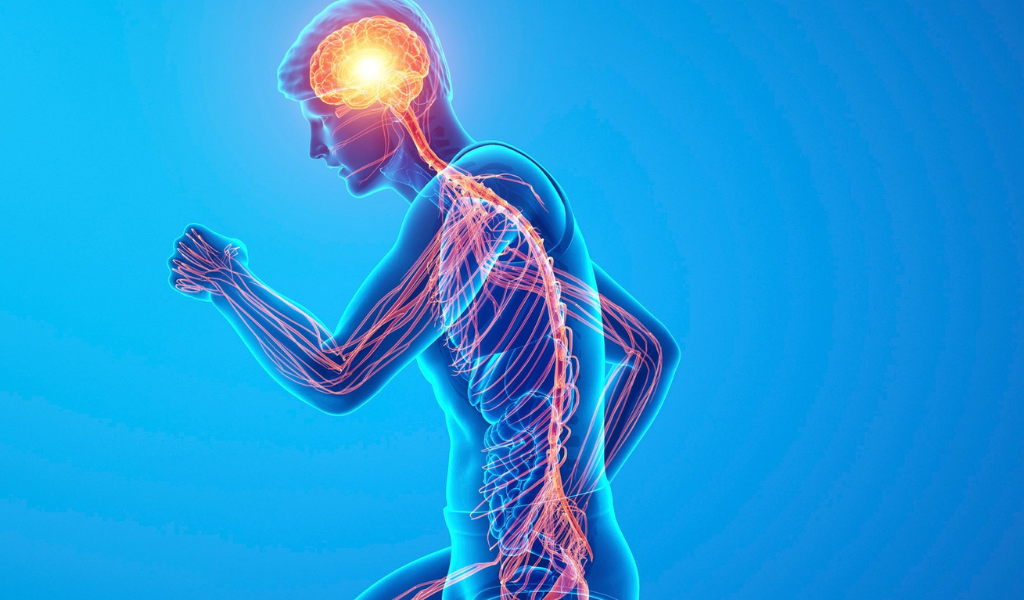
 The nervous system is a complex system composed of intricate interconnections between its structures, with retrograde and anterograde conduction and bottom-up/top-down pain inhibition mechanisms. Conduction is enabled by structures such as ion channels, mechanoreceptors, synapses, and so on.
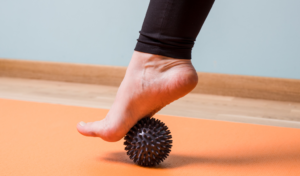 Specific nerve mobilization exercises: targeted exercises to improve mobility and reduce tension in the involved nerve structures.
 Improved mobility and flexibility: Reduction of neural tension to improve mobility and flexibility.

 Carpal tunnel syndrome: a condition in which the median nerve in the wrist is compressed, leading to tingling and numbness.
 Specialist evaluation

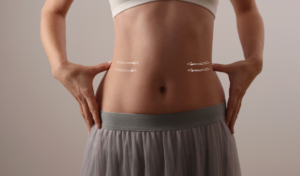 Postural asymmetry occurs when there are visible or measurable differences between the posture of one part of the body and another. These asymmetries can affect the shoulders, hips, spine, or other parts of the body. Asymmetrical posture can be due to a variety of factors, including postural habits, past injuries, muscle dysfunction, or structural problems.
 Postural asymmetries can have many different causes, including:
 • Muscle pain, often in the lower back, neck and shoulders.
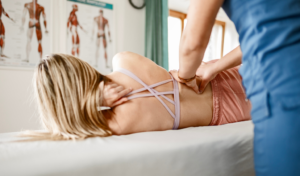
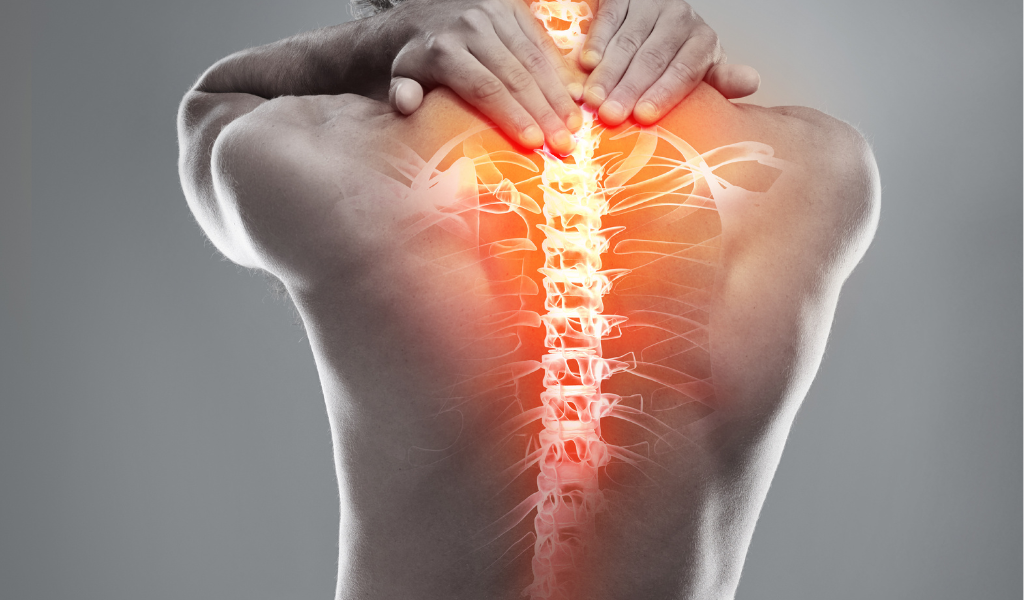
 Incorrect postureMaintaining poor posture during daily activities or at work can put pressure on your back.
 • Localized or diffuse pain in the back.
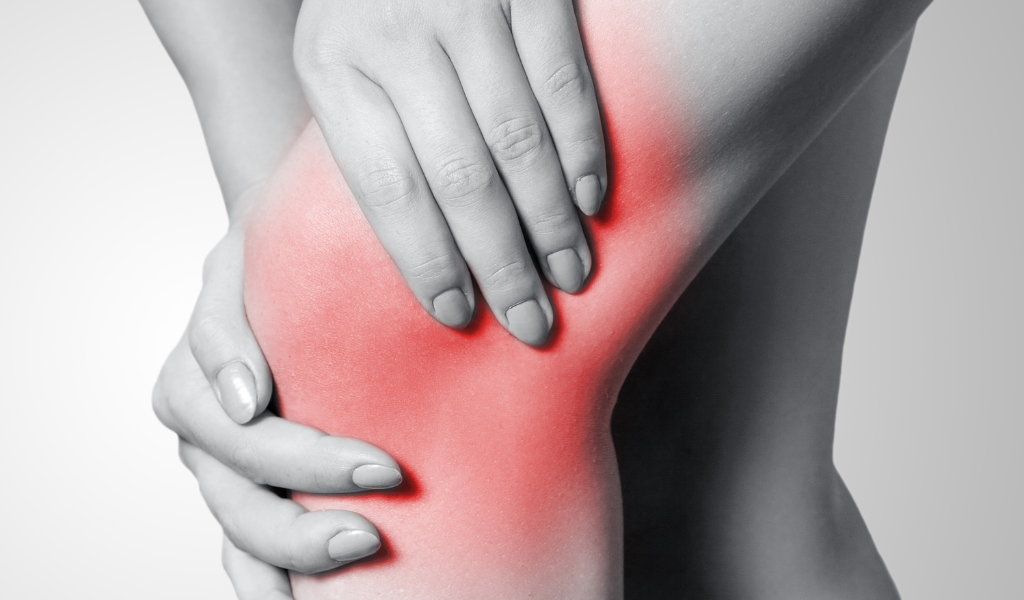
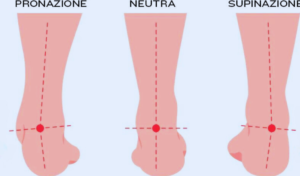 Incorrect squat or deadliftPerforming exercises like squats or deadlifts with incorrect technique can put excessive pressure on the knee joints.
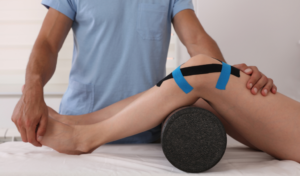 Assess the injury: Identify the cause of the pain and develop a personalized treatment plan.