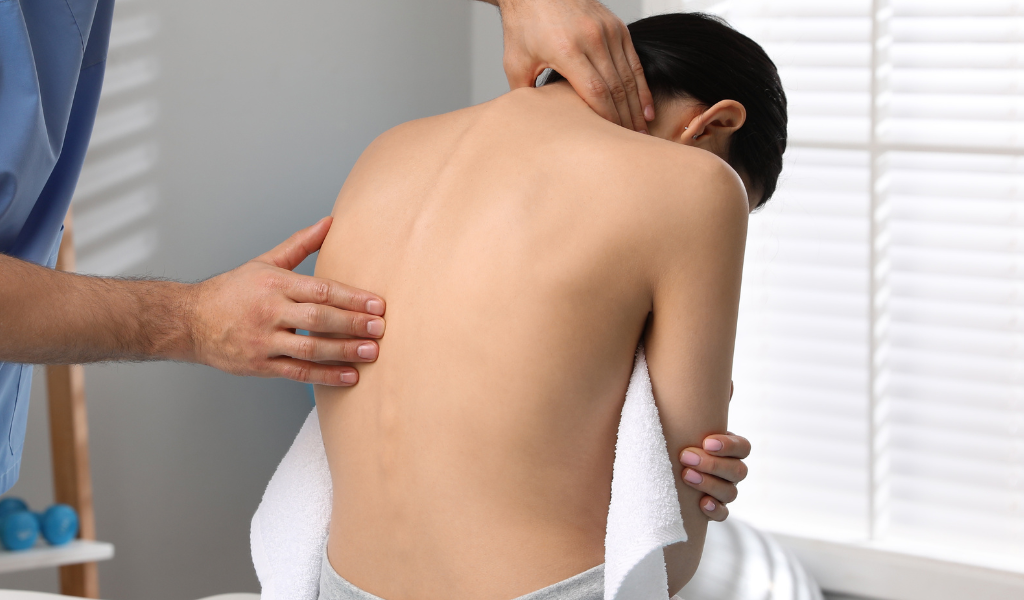

What is Scoliosis?
Scoliosis is a deformity of the spine that manifests itself with a lateral curve and a 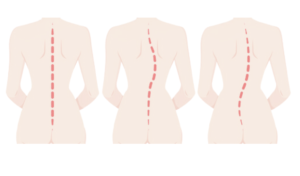 Rotation of the vertebrae. It can occur at different age groups and may be caused by genetic factors, muscle problems, or nervous system dysfunction.
Many individuals with scoliosis may experience symptoms such as pain, limited mobility, and muscle tension. In this article, we will explore how the advanced approach of neurodynamics It can be integrated into physiotherapy to manage and improve scoliosis.
Role of Neurodynamics in Scoliosis
Neurodynamics, which studies the interactions between the nervous system and the musculoskeletal system, offers an advanced approach to treating scoliosis. Neurodynamic exercises and techniques can be customized to improve nerve function, reduce muscle tension, and promote better posture.
Neurodynamic Exercises for Scoliosis
Specific mobilization of the spine:
• Exercises aimed at improving the mobility of the vertebrae in the area affected by scoliosis.
• Controlled movements to stimulate flexibility and reduce stiffness.
Asymmetric Strengthening Exercises:
• Focus on exercises that strengthen weak muscles in the area affected by the scoliosis curve.
• Balancing muscle tone to improve symmetry and stability.
Myofascial Release Techniques:
 • Application of targeted pressure to release muscle tension associated with scoliosis.
• Improved flexibility and comfort.
Postural Education and Conscious Movement:
• Teach the patient correct posture techniques to reduce stress on the spine.
• Promote mindful movement to prevent harmful postures.
Integration with Traditional Therapy
 Neurodynamics can be successfully integrated with traditional scoliosis therapy, which may include conventional physical therapy, stretching exercises, and manual therapy. A thorough assessment by a specialized physical therapist will guide a personalized treatment plan that takes into account the patient's specific needs.
Benefits of Neurodynamics in the Management of Scoliosis
Pain Reduction: By improving nerve function and mobility, neurodynamics can help reduce pain associated with scoliosis.
Improved mobility: Targeted exercises promote flexibility and mobility of the spine, improving the quality of movement.
Balanced muscle strengthening: Neurodynamics can help rebalance asymmetrical muscles, contributing to better stability and posture.
Prevention of complications: Integrating neurodynamics into scoliosis management can help prevent long-term complications and improve quality of life.
Conclusions

Physiotherapist Andrea Sgambati
The neurodynamic approach offers an advanced and personalized option for addressing scoliosis. Integrating neurodynamic exercises into physiotherapy can be an effective strategy to manage symptoms, improve nerve function, and promote a better quality of life for those living with this condition.Before starting any exercise program, it is advisable to consult a specialized physiotherapist for a detailed assessment and the design of a treatment plan tailored to your individual needs.


Via Donatello 75
00195 Rome
Tel. (+39) 06 39375719


Mon. – Fri. 8:00 – 20:00
Saturday 8:00 – 14:00

Via Donatello 75
00195 Rome
Tel. (+39) 06 39375719
Mon. – Fri. 8:00 – 20:00
Saturday 8:00 – 14:00