All Posts By

andrea

COSMETIC INTERVENTIONS

The debate over cosmetic surgery has always been heated. Often, cosmetic procedures that are unnatural or performed without proper attention to the patient's physicality lead to results that appear excessive or tend to verge on vulgarity. Some professionals have argued against "excesses," advocating these procedures exclusively by specialists in reconstructive and cosmetic plastic surgery. Therefore, the rule of thumb is to seek guidance from those who have undergone extensive professional and educational training; but it's also important to always listen to the advice of professionals, allowing yourself to be guided toward a result that appears as natural as possible.

The debate on the excesses of cosmetic surgery is being addressed by several professionals in the sector.

Dr. Gennaro D'Orsi

Gennaro D'Orsi. Estetica, l'importanza di un intervento a misura di paziente

Gennaro D'orsi, Doctor-Surgeon

the Dr. Gennaro D'Orsi  specialized in Plastic, Reconstructive and Aesthetic Surgery, with a predilection in cosmetic surgery of the breast, the doctor currently works both in Rome and Pozzuoli (Naples) and is particularly interested in correctly informing his patients on the correct use of cosmetic surgery.


The specialist must be able to guide towards a natural and suitable job for the person

In this regard, it is very common for patients to present themselves to a professional with excessive, unrealistic, or unachievable requests. The specialist's role, in this case, is to listen to the patient's requests, allowing for any concerns and needs, and then guiding the patient toward the most appropriate and correct option for their individual needs.


Psychological support

Particular attention should also be paid to patients who fall into specific psychological spectrums of obsessive-compulsive disorder, such as those suffering from "body dysmorphic disorder." In this particular case, the disorder presents as excessive preoccupation with physical defects, sometimes imaginary or significantly less serious than the patient's own experience. The focus of the pathology in this case is precisely related to aesthetic appearance and is often characterized by intrusive thoughts that cause distress related to one or more physical defects. In these particular cases, the advice of the Dr. D'Orsi is to address, first of all, a psychological therapy, trying to support the patient through careful and delicate treatment.


Natural aesthetic interventions

Beyond the more specific psychological distortions, Dr. D'Orsi seeks, in his work, to highlight the potentially horrific results of improper cosmetic or plastic surgery. The so-called "monster" results of surgery must be contrasted with more natural, harmonious interventions. The result of cosmetic surgery, in fact, must never be noticed and never be visually recognizable. The approach of many professionals, including Dr. Gennaro D'Orsi, is therefore to never accept exaggerated requests, trying instead to guide the patient towards the choice best suited to their physical condition.


Breast reconstruction

Particular reflection, in this context, must be attributed to the breast reconstruction. An excessively unnatural result, for example, with an overly full upper chest, creates an extremely unnatural effect. Breast augmentation, on the other hand, must be performed in an almost "tailored" manner, respecting the patient's physique and choosing the most suitable technique for each individual case. Surgical excess can never be the choice; each procedure must always be different, adapted to the individual patient and aimed at a specific goal. elegant and harmonious result.


Highlight the different possibilities

A final focus, according to Dr. Gennaro D'Orsi, is to be dedicated to the difference between medicine and cosmetic surgery. Patients often ask which of the various intervention modalities is best without truly understanding the two approaches. There is no single approach that is preferable to another; rather, it is important to inform patients about the advantages and limitations of both disciplines.


Aesthetic medicine and cosmetic surgery

Aesthetic medicineIf performed with a rigorous scientific approach, it can yield extremely satisfying results. However, if it goes beyond its limits, it risks unnatural results due to a harsher procedure. Beyond this stage, it is the professional's responsibility to direct the patient to surgery when medical treatment is no longer able to provide the desired results. Typically, we tend to start with aesthetic medicine interventions, such as skin rejuvenation with injections or fillers., and then move on – after having made the patient familiar with the changes in his body – to surgery.

Surgical interventions are generally more complex than medical ones and offer more decisive and long-lasting results. In conclusion, Dr. Gennaro D'Orsi's advice is to rely on highly specialized professionals, capable of guiding the outcome of the intervention towards the effect most suited to the physicality of the person undergoing it.
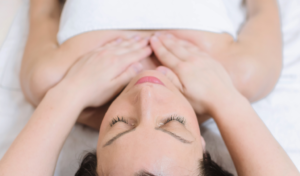
 

MANUAL LYMPHATIC DRAINAGE

Draining massage

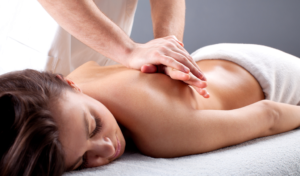
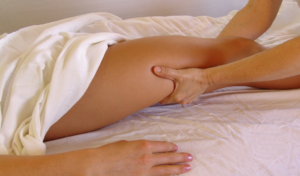
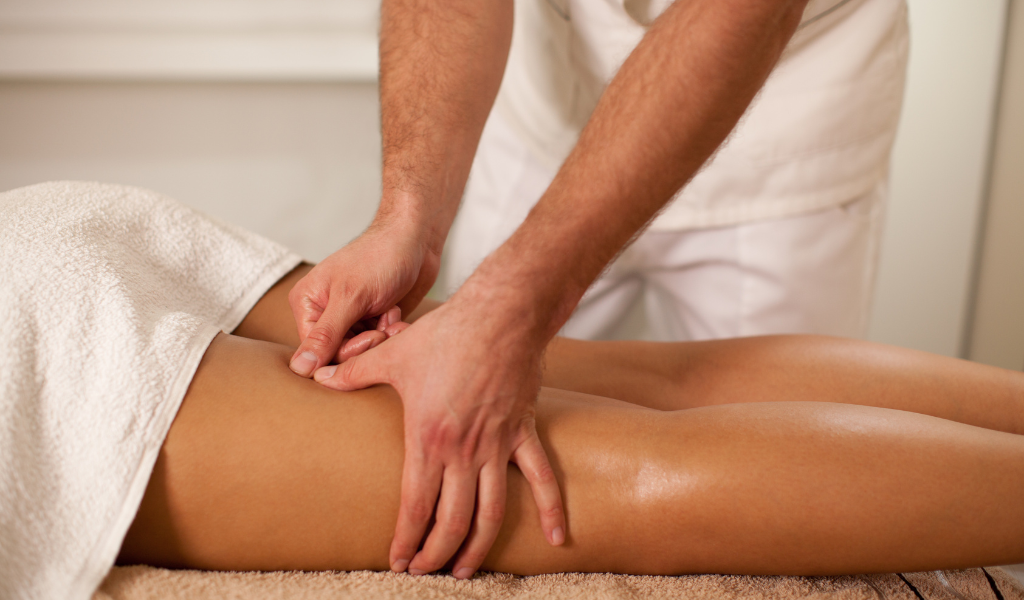
Lymphatic drainage massage It is a technique used in the medical field that allows for direct work on the lymphatic system through the application of the therapist's manual techniques. The lymphatic system was discovered and studied late in anatomy, and thus also its treatment. The most well-known schools of lymphatic drainage are the Leduc school and the Vodder method. Both are based on similar principles, but differ in the number of maneuvers and execution protocols. The Vodder method remains the most practiced and studied in the medical-scientific field, including rheumatology. It consists of massages typically performed on the neck, nape, abdomen, and chest.
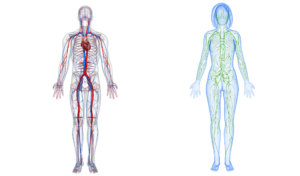
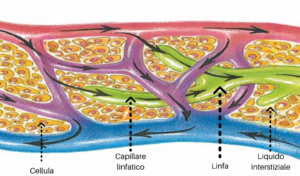
It's important to provide a brief introduction to the lymphatic system to understand how manual therapy can affect the affected structures. All organs and tissues in the body are supplied by lymphatic vessels, except the cornea, skin, bones, and lung alveoli.

Lymphatic vascular system

The vascular system lymphatic It is composed of:

  • LYMPHATIC CIRCULATORY SYSTEM: capillaries, lymphatic vessels, ducts
  • LYMPH NODES
  • LYMPHOID ORGANS: thymus, spleen, mucosa-associated lymphoid tissue, within which the LYMPH flows that originates in the interstitial tissue of the cells.

Although venous circulation is slow and has a lower flow rate than arterial circulation, lymphatic circulation is even slower. The venous network serves as a reservoir, and in this space, waste products are absorbed by the lymphatic circulation. Blood-tissue exchange occurs in the capillary-interstitial space, facilitated by the marked slowing of circulation that characterizes it.

The interstitium, made up of collagen, elastin, and cross-linked fibers, is the space through which molecular exchanges between tissues occur through the phenomenon of diffusion. This exchange occurs thanks to the phenomenon of physiological lymphatic drainage and therefore the extracellular matrix. When there is congestion, edema can form. Unlike the capillary system, which is almost impermeable, the prelymphatic vessels allow the passage of larger substances, such as proteins, tissue catabolites, viruses, and bacteria. In the interstitium, in fact, the 90% of substances is reabsorbed by the blood capillary system, while the 10% by the lymphatic system. Entering the lymphatic tracts, this fluid is called lymph.
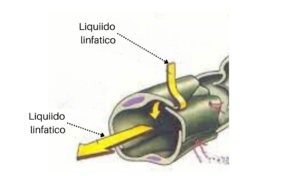
The lymph

The lymph is composed from water, proteins, lipids, cells and exogenous substances. It has the function to nourish cells, ensure immune response, and transport bacteria and macrophages to the lymph nodes. After passing through the thoracic duct (lymph nodes), the purified lymph returns to the bloodstream to form plasma.

There are various mechanisms of lymph transport, intrinsic (spontaneous contractions of the lymphatics and the sympathetic nervous system) or extrinsic, such as the activity of the muscle or joint pump. When this transport capacity is impaired, or when proteins remain in the interstitium for too long, the connective tissue changes; fluid stasis and stagnation occur, preventing proteins from passing through, causing edema.
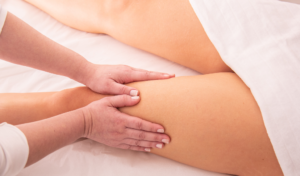
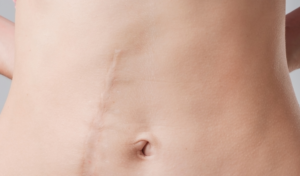
 

THE LYMPHATIC VASCULAR SYSTEM ENSURES THE TRANSPORT FUNCTION OF INTERSTITIAL PROTEINS AND CONSEQUENTLY GUARANTEES THE BODY'S IMMUNE DEFENSE FUNCTION.

The lymphatic system is innervated by the autonomic system which controls its ability to adapt to internal and external changes. It is therefore closely linked to emotions!!!!!

Lymphatic massage

Lymphatic massage Being a relaxing treatment, it releases endorphins in the body, resulting in a general sense of well-being. The lymphatic drainage manual is a manual technique, which uses superficial, rhythmic maneuvers in a proximal-distal sequence. Drainage massage acts on the interstitial matrix of tissues, the lymphatic vessels, and the lymph nodes, promoting the penetration of macromolecules stagnant in the interstitium into the lymphatic vessels. It gently squeezes the lymph nodes.


DLM has an ANTI-EDEMIA AND REGENERATING EFFECT on tissues, especially in cases of scarsIt is also recognized as having an analgesic effect because it acts on mechanoreceptors. The mechano-pressure stimulus inhibits nociceptive input from local nociceptors and, by washing the interstitium and the consequent removal of harmful substances (kinins), reduces the painful effect.
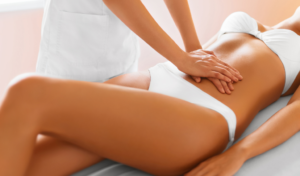
 

DLM also has an effect on muscle tone, reducing tone and improving tissue trophism, as well as acting on the IMMUNE SYSTEM.
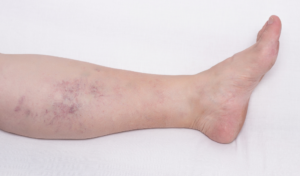
A session lasts from 20 to 60 minutes, using slow and delicate maneuvers that respect the physiological rhythm, emptying the lymph nodes without causing pain.

DLM should be pleasant; in fact, the patient often relaxes, acting on the sympathetic and parasympathetic nervous systems. The pressure of the hands should be considered as a "squeezing" of the skin, stretching it on the underlying layers. Between the skin and the subcutaneous tissue is the space where lymph stagnates.

The draining massage, in addition to acting as an analgesic, works on the skeletal muscles, reducing contractures and removing toxins in the tissues, both on the smooth muscles and therefore on the lymphatic vessels, in fact helps keep our connective tissue healthy and clean, particularly the interstitial matrix. Thanks to this drainage technique, the waste products of catabolism reach the lymphatic structures responsible for their reabsorption more quickly. Following treatment, there is an increase in diuresis, a general feeling of lightness, and the limbs appear thinner, creating a feeling of general well-being.

Directions

  • Primary and secondary lymphedema
  • Phlebolymphedema
  • Lipedema
  • Scars
  • Inflammation WITHOUT infection
  • Algodystrophic syndrome
  • Carpal tunnel syndrome
  • Scapulohumeral periarthritis with bursitis
  • Coxarthrosis pre- and post-surgery
  • Pre- and post-cosmetic surgery
  • Pre-postpartum

Contraindications

ABSOLUTE

  • Infections (lumpingitis)
  • TBC
  • Noeplasia in phase M
  • Surgical interventions
  • Pregnancy in certain conditions (abdominal DLM)
  • Ovarian cysts (DLM abdomen)

RELATED

  • Heart failure
  • Kidney failure asthma
  • Vagotonia (DLM neck)
  • Hyperthyroidism (neck DLM)

One of the conditions in which drainage massage is prescribed is for the pathology of the lymphedema that is, the inability to transport lymph, caused by a functional deficit of the lymphatic vessels or by an organic malformation. Other common pathologies are: phlebolymphedema resulting from an accumulation of blood and lymph, therefore from achronic venous insufficiency, The lipedema that is, proliferation with progressive degeneration of localized adipose tissue, mainly at the level of the coxofemoral joints and algodystrophic syndrome, which presents with subcutaneous edema more frequently in the hands and feet.


In short the lymphatic drainage It's a therapy prescribed in cycles of at least 5-10 sessions to reduce excess fluids that the body is unable to eliminate. The use of hands and physiotherapy is essential to help patients with fluid retention in the lower limbs, such as the feet or ankles, or following systemic diseases affecting the body.

Fisio Flaminio - via donatello
PHYSIOFLAMINIO
Via Donatello 75
00195 Rome
Tel. (+39) 06 39375719
Fisio Flaminio - orari apertura
OPENING HOURS
Mon. – Fri. 8:00 – 20:00
Saturday 8:00 – 14:00
Fisio Flaminio - via donatello
PHYSIOFLAMINIO
Via Donatello 75
00195 Rome
Tel. (+39) 06 39375719
Fisio Flaminio - orari apertura
OPENING HOURS
Mon. – Fri. 8:00 – 20:00
Saturday 8:00 – 14:00
© 2023 FISIOFLAMINIO – VAT number 15579551001 – ALL RIGHTS RESERVED.

WELLNESS TREATMENTS

THE wellness treatments They help relax the mind or body and are an excellent treatment for psychophysical well-being. According to the WHO (World Health Organization), well-being is "a state of complete physical, mental, and social well-being and not merely the absence of disease." It's helpful to take care of yourself through specific wellness treatments that take into account your individual needs.

The holistic massage

The holistic massage Its aim is to achieve a pleasant psychophysical state. Numerous benefits can be achieved through the execution of various techniques.
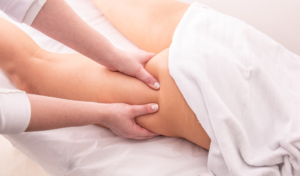
A massage done with love is perceived as such, in addition to lightening the day, it instills a greater awareness of one's state of well-being.
Every treatment I perform is personalized. Making you feel good is my primary goal.


The Renata França method

  The Renata França method It is a total body treatment that takes its name from the Brazilian masseuse Renata França who developed and invented this method.
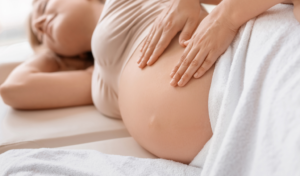
In various areas of the world, teachers have been trained to spread this technique, and they are the only ones who can certify the various operators.
The method combines firm pressure with a steady rhythm. With unique pumping and various maneuvers, the lymphatic system is drained and blood circulation is increased.
All this for a healthier body.

The treatment provides numerous benefits including:
•Feeling of lightness by stimulating lymphatic and blood circulation
• Toning action helping to fight localized fat and defining the silhouette
•Detoxifying action by effectively eliminating toxins and improving intestinal transit.

It can also be performed during pregnancy and, in this case, it offers numerous health benefits for future mothers, it activates blood circulation, reduces fluid retention, produces relaxation and gives a feeling of lightness.
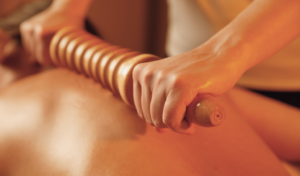
It can be performed after the third month with the doctor's consent.
There is also a Miracle Face version that tightens and tones the skin for a natural revitalizing effect.


Maderotherapy®️

The Manuel Casado Method It is a massage technique particularly suitable for treating different areas of the body by stimulating the nervous system, without damaging the tissues.
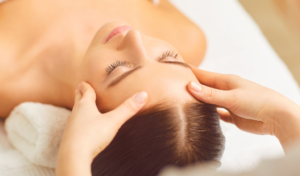
The benefits are of a psychophysical nature.
In Italy it has been patented since 2014 and is a registered trademark owned by Manuel Casado.
The treatment operator's hands are maximized by using wooden tools that allow for pressure that would otherwise be impossible with manual skill alone, enhancing the benefits and results for the recipient. Before the maderotherapy massage, the body is prepared with a manual lymphatic drainage massage.

THE benefits of this specific massage technique are different, and include, for example:

  • Improved blood circulation,
  • Improved lymphatic circulation,
  • Tone the skin
  • Firming effect
  • Reduction of leg swelling
  • Improves the production of elastin and collagen
  • Stimulates and reactivates the nervous system
  • Body reshaping effect
  • Treatment of muscle tension
  • Promotes psychophysical relaxation
  • Strengthens the immune system,
  • Oxygenates the tissues

The Luisa Gallo method

The Luisa Gallo method Through specific maneuvers, it works in connection with manual skills and breathing, helping to overcome internal discontent by actively acting with the sole aim of rebalancing body and mind.
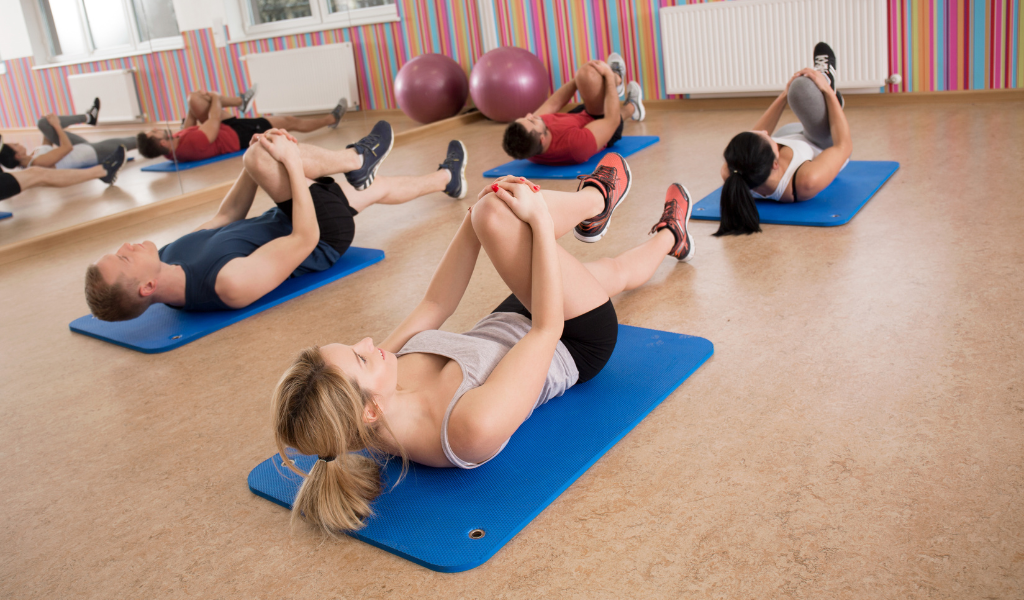
It combines Eastern and Western techniques and provides well-being, with a surprising draining and shaping effect.


Fisio Flaminio - via donatello
PHYSIOFLAMINIO
Via Donatello 75
00195 Rome
Tel. (+39) 06 39375719
Fisio Flaminio - orari apertura
OPENING HOURS
Mon. – Fri. 8:00 – 20:00
Saturday 8:00 – 14:00
Fisio Flaminio - via donatello
PHYSIOFLAMINIO
Via Donatello 75
00195 Rome
Tel. (+39) 06 39375719
Fisio Flaminio - orari apertura
OPENING HOURS
Mon. – Fri. 8:00 – 20:00
Saturday 8:00 – 14:00
© 2023 FISIOFLAMINIO – VAT number 15579551001 – ALL RIGHTS RESERVED.

PILATES AND MUSCLE FATIGUE

In recent years, as we have grown, we have often found ourselves faced with an increasingly widespread phenomenon:
Physical inactivity and a sedentary lifestyle.
People who are not accustomed to physical activity, who move too little, thus bringing with them a series of consequences that create fertile ground for conditions such as diabetes, cardiovascular diseases, back pain, muscle fatigue and much more.
We will pay more attention to this last one today.

Sedentary lifestyle

How many times, after a period of inactivity, do you find yourself carrying out even the simplest daily tasks and feeling tired, limited in your movement, or even unable to carry out or complete a certain activity?
Often, taking a simple walk, climbing two flights of stairs, carrying bags of groceries, or even getting up from a chair can be very tiring. Well, to combat all this, you don't necessarily need to be a competitive athlete; rather, you need to restore the proper muscle strength to your body.

Pilates

The Pilates It is certainly a very effective discipline for regaining muscle tone. With this type of training, you can work with your own bodyweight, or with a machine called a reformer, to strengthen your back, abdominal, and upper and lower limb muscles. With targeted and codified exercises, you can restore tone and strength to all your muscle groups, including the deep muscles needed for posture. You can therefore reshape your body, starting with core support, which is essential for optimal posture. It's therefore an excellent ally against muscle fatigue! 

In 10 lessons you will feel the difference,
in 20 lessons you will see the difference,
In 30 lessons you will have a completely new body
JH Pilates

Giulia De Pilla

Fisio Flaminio - via donatello
PHYSIOFLAMINIO
Via Donatello 75
00195 Rome
Tel. (+39) 06 39375719
Fisio Flaminio - orari apertura
OPENING HOURS
Mon. – Fri. 8:00 – 20:00
Saturday 8:00 – 14:00
Fisio Flaminio - via donatello
PHYSIOFLAMINIO
Via Donatello 75
00195 Rome
Tel. (+39) 06 39375719
Fisio Flaminio - orari apertura
OPENING HOURS
Mon. – Fri. 8:00 – 20:00
Saturday 8:00 – 14:00
© 2023 FISIOFLAMINIO – VAT number 15579551001 – ALL RIGHTS RESERVED.

THE PAIN

The pain

Pain is a mechanism of the human body that is still extensively studied and not fully understood, and for this reason it deserves our attention.  Pain is not a symptom, but an unpleasant experience of our body.
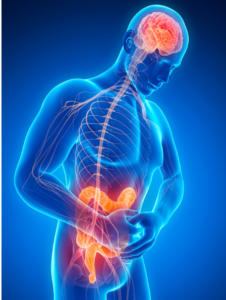
In 2020, the IASP “international association for the study of pain” defined pain “an unpleasant sensory and emotional experience associated or appearing to be associated with actual or potential tissue damage.”

So pain isn't just an unpleasant experience, but also includes other elements such as sensations and emotions. This suggests that it's possible to feel pain even without actual injury.

The individuality of pain

Pain is a process our brain makes, it warns us that something is wrong inside our body. It's not necessarily associated with actual damage, so all the emotions and sensations we experience are completely subjective and personal. It's impossible to attribute the same painful symptoms to everyone; each of us will have a different and individual response. But why all this?

Pain is a hedonic experience, always personal and entirely individual. Two people with the same problem experience different pain situations, influenced by different factors. It's a mistake to underestimate or minimize the patient's sensations. The perception of pain is always real, so all the patient's bio-psycho-social aspects must be taken into consideration.

Pain is a multidimensional experience—sensory and emotional—and the nociceptive system alone cannot explain it. Pain isn't written in nerve conduction, nor in the thalamus, but in the individual.

Pain is not just something we feel in our bodies but something we experience deep within our souls.

Perception of pain

I want to give you some tangible examples of how pain can behave in people.

A few years ago an Australian surfer was attacked by a shark, losing a leg. The surfer reported never having felt pain, neither during the shark attack nor afterward in the hospital. This explains how the processing of painful information was individual. Probably because, in shock, the person did not focus on the pain, but on other sensations unknown to us. We are still talking about rare, but real, events. Another, more common example is phantom limb disease, where the patient reports pain in an area of the body that is no longer present, as in war veterans and children who lost their legs to landmines. These patients report precise and tangible pain, for example, describing in detail the sensation in their fingers even though they no longer have the anatomical structure that connects them to the painful sensation.
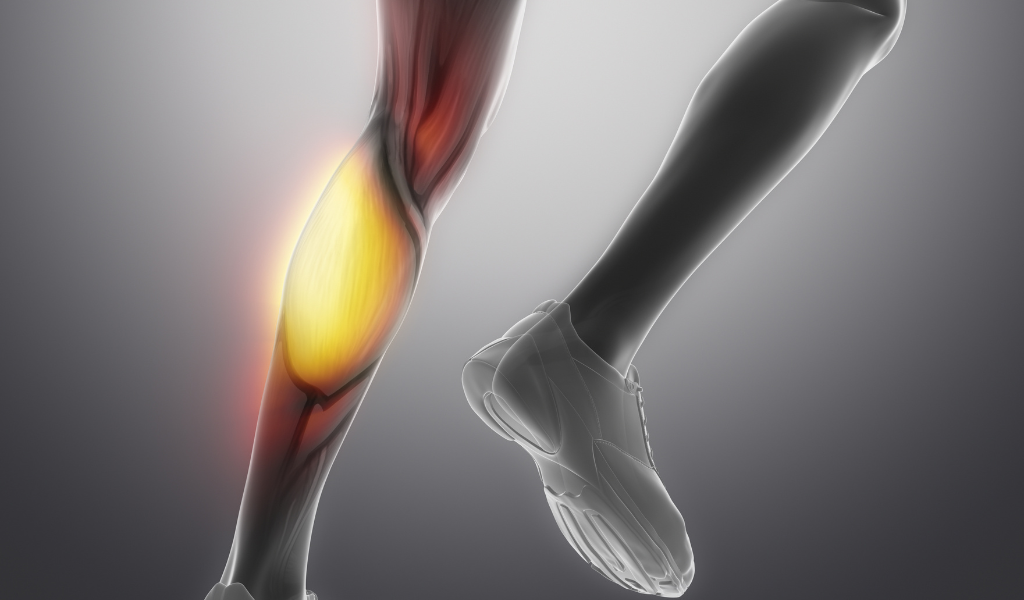
Muscle Pain

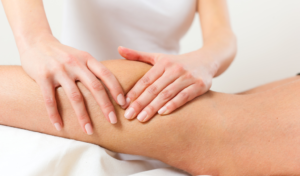
All this leads us to reflect that in many patients, for example with muscle painPain does not always come from easily recognizable structures, it often derives from more complex factors, not attributable to just one structure.

Even in athletes, pain is associated with tissue damage, as if it were a simple and precise equation. However, we often have patients complaining of muscle pain, who, diagnostically, appear to be "as fit as a fiddle." The patient expects us to provide a clear and specific explanation of the problem, when in reality we can simply offer a series of hypotheses.
This chapter on pain should not confuse or raise doubts in the reader, but rather aims to help understand how complex some mechanisms of the human body are and how only a multifactorial approach can help the patient, especially in the long term.

What therapies should be used to relieve muscle pain?

Physiotherapy together with manual therapy, must investigate the mechanisms affecting the patient, carefully assessing whether the associated problem has a specific or undefined origin. Muscle pain affects a large portion of the population, and the common feeling is that of seeking treatment to eliminate the symptom.

There are many instruments that therapists can use, let's always remember to evaluate The patient's needs and the origin of the problem should be carefully considered. Simply engaging with the pain and the painful symptom is a first form of attention that the patient will surely perceive as pleasant. Therefore, simple therapies aimed at eliminating the perception of pain at its source should never be underestimated.

Fisio Flaminio - via donatello
PHYSIOFLAMINIO
Via Donatello 75
00195 Rome
Tel. (+39) 06 39375719
Fisio Flaminio - orari apertura
OPENING HOURS
Mon. – Fri. 8:00 – 20:00
Saturday 8:00 – 14:00
Fisio Flaminio - via donatello
PHYSIOFLAMINIO
Via Donatello 75
00195 Rome
Tel. (+39) 06 39375719
Fisio Flaminio - orari apertura
OPENING HOURS
Mon. – Fri. 8:00 – 20:00
Saturday 8:00 – 14:00
© 2023 FISIOFLAMINIO – VAT number 15579551001 – ALL RIGHTS RESERVED.

THE IMPORTANCE OF WATER

The importance of water in the human body

The importance of water: Our bodies are composed largely of water. Drinking water is essential for life; in fact, a water fast cannot last more than three days. Water, like vitamins and minerals, is considered a non-energy component of the diet, as it provides no calories.

Human water content varies significantly depending on age, build, and diet. Furthermore, organs and tissues are hydrated differently. When young, we have significantly higher water content, especially in soft tissues, skin, and connective and subcutaneous tissues. As we grow, our water content progressively decreases from an average of 751 TP3T in infants to approximately 501 TP3T in older adults.


The importance of water in our body

Water plays an extraordinarily important role in the human organism as it is an element necessary for the correct maintenance of vital functions (digestion, excretion, nutrient transport, respiration, thermoregulation).

In fact, life depends on the accessibility of water, whose supply must be continuously guaranteed for these vital functions to take place. Quantitatively, water is the main constituent of the organism: in a man medium-sized adult (70 kg) represents approximately the 60% of body weight; the women, compared to humans, have a lower water content, equal to approximately 50% of body weight; in the newborns this percentage reaches 75% of body weight. The need to drink water for humans (about 2-2.5 liters per day) can vary depending on the person's physiopathological conditions.

In particular, water within the body performs the following functions:


    • regulates cell volume and body temperature
    • allows the body to absorb and assimilate minerals, vitamins, amino acids and other substances
    • aids digestive processes
    • enables the transport of nutrients to cells and oxygen to the brain
    • promotes the removal of toxins and metabolic waste
    • acts as a lubricant for joints and muscles


How much water should you drink?


If we want to know exactly how much water our body needs, we just need to do a simple operation: multiply the kg of our weight by 14.2 and then divide by 113The answer is the number of glasses our body needs.


How to choose water to drink

The values and information we must learn to read on water labels are:


    • The fixed residue: Fixed residue, measured in mg/l, is the quantity of inorganic minerals contained in one liter of water, i.e., the dry residue remaining after evaporating one liter of water at 180°C. It is recommended to have water with a fixed residue of less than 30 mg/l.
    • The pH value: pH is a magnetic value and measures the degree of acidity/basicity. The determination of pH in order to achieve or Maintaining excellent health is extremely important because the human body tends to oxidize, or become alkaline, as it ages. It is recommended to drink between 1.5 and 2 liters of pure water every day, with a pH between 6.4 and 6.8.
    • Oxygen: We also ingest useful oxygen through water because, passing through the stomach walls, it enriches the venous blood reaching the liver. A high oxygen content (ideally at least 7 mg/L) in water can therefore contribute to the proper functioning of this organ.
    • Nitrates: It's important to keep the nitrate content low because there's a risk of nitrosamine formation in the human body after ingesting nitrates or foods containing amines. It's recommended to choose water with a maximum nitrate content of 5.0 mg per liter.


Fisio Flaminio - via donatello
PHYSIOFLAMINIO
Via Donatello 75
00195 Rome
Tel. (+39) 06 39375719
Fisio Flaminio - orari apertura
OPENING HOURS
Mon. – Fri. 8:00 – 20:00
Saturday 8:00 – 14:00
Fisio Flaminio - via donatello
PHYSIOFLAMINIO
Via Donatello 75
00195 Rome
Tel. (+39) 06 39375719
Fisio Flaminio - orari apertura
OPENING HOURS
Mon. – Fri. 8:00 – 20:00
Saturday 8:00 – 14:00
© 2023 FISIOFLAMINIO – VAT number 15579551001 – ALL RIGHTS RESERVED.

MASSOTHERAPY

What is massage therapy?

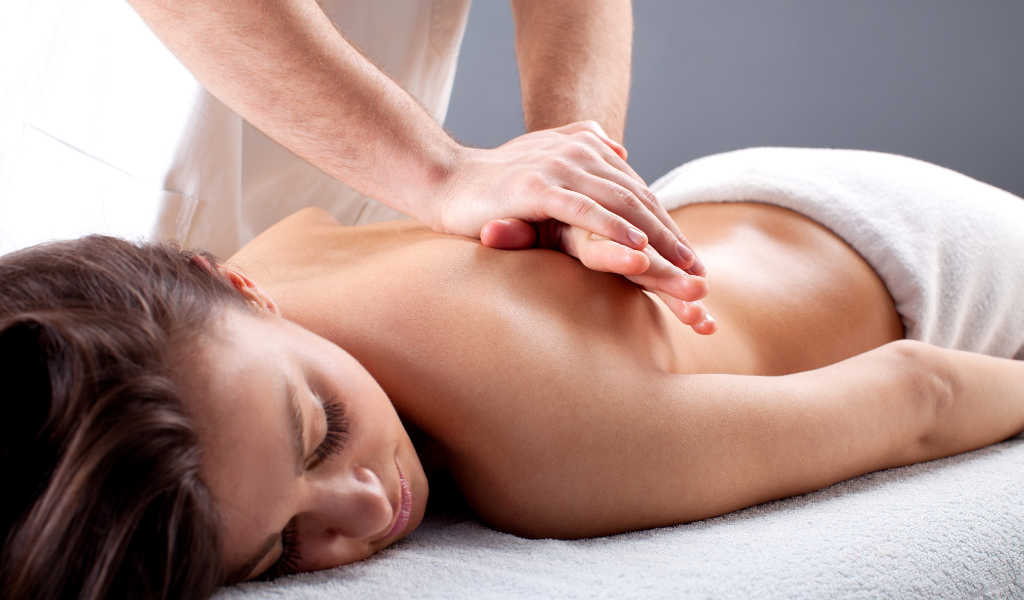
There massage therapy it's a manual technique basic therapy used by a physiotherapist to alleviate or reduce the symptoms of some pathologies of the musculoskeletal system.


When it is used

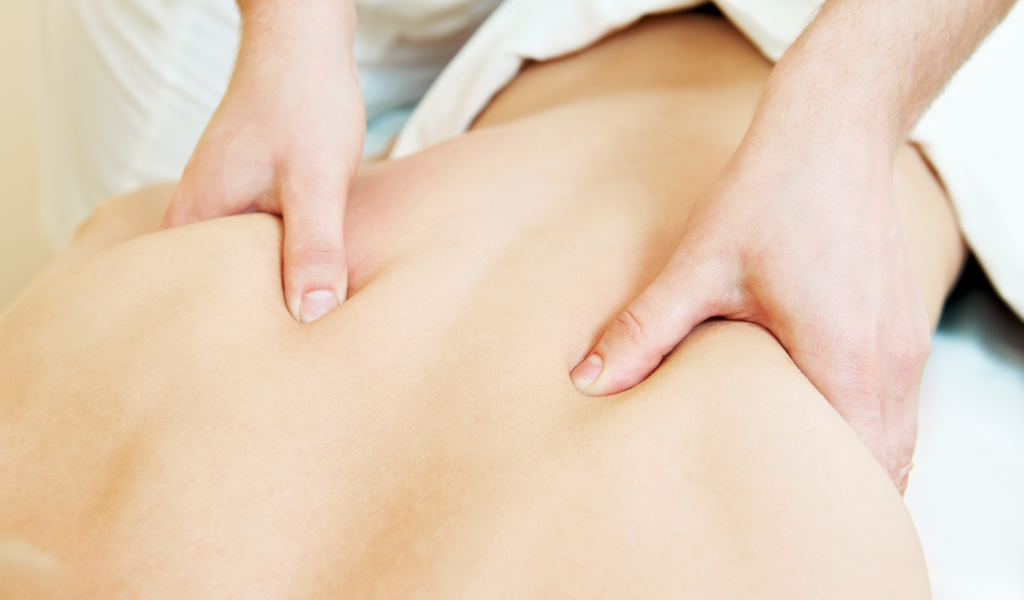
There massage therapy It is applied to patients who have muscle contractures, muscle injuries, tension on the band And myofascial painMassage is performed on muscle or tendon structures and is one of the many healing therapies used in the rehabilitation field.. People often get confused by comparing a physiotherapist to a massage therapist, when in fact there is a big difference. A physiotherapist is a graduate in the medical field, specialized in rehabilitation, so massage therapy is one of the first techniques that this professional must know.


Pathology evaluation

Massage therapy, performed with proper care, can relieve pain or reduce myofascial tension, but it cannot cure conditions that originate outside of the muscle. Indeed, to treat common conditions such as lumbago, neck pain, tendinitis, or inflammation, a thorough assessment of the patient is essential to determine whether massage therapy is the most appropriate technique. Therefore, to help our patients with massage techniques, it is essential to understand whether the pain is directly related to a muscle problem. If the condition or dysfunction originates elsewhere, the patient would likely need to combine massage with another therapy. Indeed, many conditions require a multifactorial approach, where the patient and their pain must be at the center of our rehabilitation process.


Reducing pain and stress with massage

Massage therapy in fact plays a fundamental role even for those structures that are not on the surface and therefore in contact with the therapist's hands, for example all those situations psychosomatic that affect the patient. Pain is a concept that must be carefully studied, and massage therapy can be truly effective for many reasons. Massage is often perceived by patients as pleasant, even if "painful," because it's seen as a moment of escape, where the patient is the center of attention.

Many people feel the need to reduce stress, and massage aims to promote physical health and well-being, including our psychophysical well-being. One of its most interesting effects is the stimulation of the secretion of endorphins, chemicals produced by our brain that have powerful analgesic and muscle-relaxing properties. The pain signal felt by the patient is modulated by the mechanical stimulation of the body's receptors, reducing the sensation of pain, tension, or discomfort.


Improved blood circulation

Let's not forget all the other functions massage therapy can have and what it can encompass. For example, the lymphatic system is a body system that benefits from this treatment.
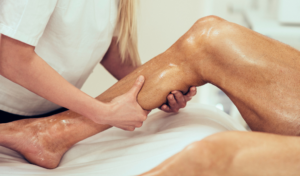
Through massage, we improve blood circulation, increase the supply of oxygen to the cells and therefore nutrients to the affected tissues. Massage promotes the lymphatic drainage and the elimination of all catabolites or waste substances.

Cellulite And the retentionnor water These are conditions that often require massage therapy, where the only major difference lies in the method of delivery. That is, where there is a lymphatic or circulatory problem, the stimulation must be much gentler and more superficial, compared to a muscular problem, such as a contracture, where stimulation can be even deeper.


For athletes

One of the key variables is the speed of application. It's a simple equation: the faster the technique, the more activating the system involved will be; the slower it is, the less stimulation will be achieved. Indeed, it's crucial to evaluate the patient before starting treatment and determine if there are any significant contraindications.

The athletes for example they often need a cycle of massage therapy, in fact in agreement with the therapist, some treatments are performed activating massages, so fast, before a competition or myo-relaxants (slow), following a race or sporting activity, to reduce muscle tension or discomfort.


In short, everything requires an excellent knowledge of the subject, including anatomy, physiology, pathophysiology, the practitioner's empirical experience, empathy, manual dexterity, and all those skills necessary to best help the patient. Within the practitioner's remit, patient assessment remains the first priority. A good assessment is more important than a well-executed technique, because If the therapist understands the origin of the problem, treating the patient becomes easier.

Fisio Flaminio - via donatello
PHYSIOFLAMINIO
Via Donatello 75
00195 Rome
Tel. (+39) 06 39375719
Fisio Flaminio - orari apertura
OPENING HOURS
Mon. – Fri. 8:00 – 20:00
Saturday 8:00 – 14:00
Fisio Flaminio - via donatello
PHYSIOFLAMINIO
Via Donatello 75
00195 Rome
Tel. (+39) 06 39375719
Fisio Flaminio - orari apertura
OPENING HOURS
Mon. – Fri. 8:00 – 20:00
Saturday 8:00 – 14:00
© 2023 FISIOFLAMINIO – VAT number 15579551001 – ALL RIGHTS RESERVED.