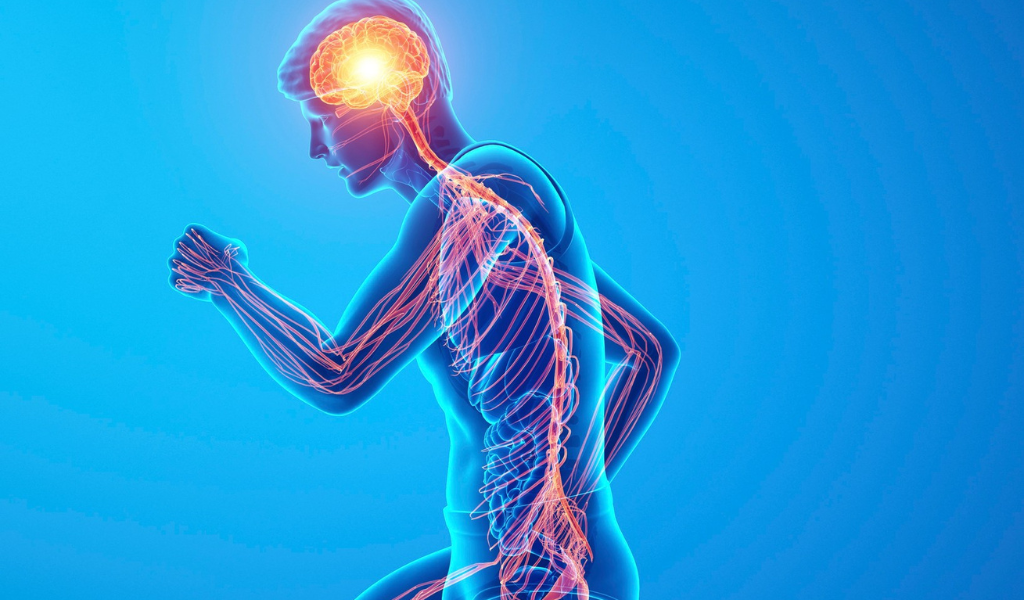
The nervous system is an intricate network of cells and fibers that regulates every aspect of our human experience, from pain perception to muscle movement. Understanding the anatomy and physiology of the nervous system is crucial for physical therapists, as it provides the basis for assessing and treating a wide range of neurological and musculoskeletal disorders. In this article, we will explore key aspects of the anatomy and physiology of the nervous system, highlighting the importance of this knowledge in the context of physical therapy.
Anatomy of the Nervous System
The nervous system is divided into two main parts: the central nervous system (CNS) and the peripheral nervous system (PNS).
1. Central Nervous System (CNS): comprises the brain and spinal cord. The brain is the control center, responsible for cognitive functions and motor responses. The spinal cord, located within the spine, transmits signals between the brain and the rest of the body.
2. Peripheral Nervous System (PNS): It extends outside the CNS and includes nerves and ganglia. The PNS controls involuntary and voluntary activities, such as muscle movement and sensory perception.
Physiology of the Nervous System
The nervous system functions through the transmission of electrical and chemical signals between nerve cells, called neurons. Neurons are the fundamental units of the nervous system and include:
sensory neurons which transmit sensory signals from the body to the nerve centers;
motor neurons sent from nerve centers to control muscle activity and motor responses;
intermediate neurons that connect sensory and motor neurons, allowing communication between them.
Communication between neurons occurs through synapses, where chemical signals, called neurotransmitters, allow information to pass from one neuron to another.
Role of Physiotherapy in the Anatomy and Physiology of the Nervous System
For physical therapists, a thorough understanding of the anatomy and physiology of the nervous system is essential in the treatment of musculoskeletal and neurological conditions. This includes:
precise evaluation to identify dysfunctions and injuries through a detailed assessment of nerve and muscle function;
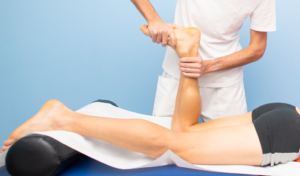 planning of personalized treatments, that is, develop treatment plans adapted to the specific needs of the patient, taking into account neurological responses;
neurological rehabilitation using specific exercises and techniques to improve motor function and mobility in patients with neurological disorders;
patient education through information on the anatomy and physiology of their nervous system to actively involve them in the recovery process.
Conclusion
Physiotherapist Andrea Sgambati
The anatomy and physiology of the nervous system form the foundation of physiotherapy practice. A thorough understanding of how the nervous system controls and coordinates body functions is essential to providing effective treatments and improving patients' quality of life. For more information or to address specific neurological or musculoskeletal problems, please consult a specialized physiotherapist.


Via Donatello 75
00195 Rome
Tel. (+39) 06 39375719


Mon. – Fri. 8:00 – 20:00
Saturday 8:00 – 14:00

Via Donatello 75
00195 Rome
Tel. (+39) 06 39375719
Mon. – Fri. 8:00 – 20:00
Saturday 8:00 – 14:00