
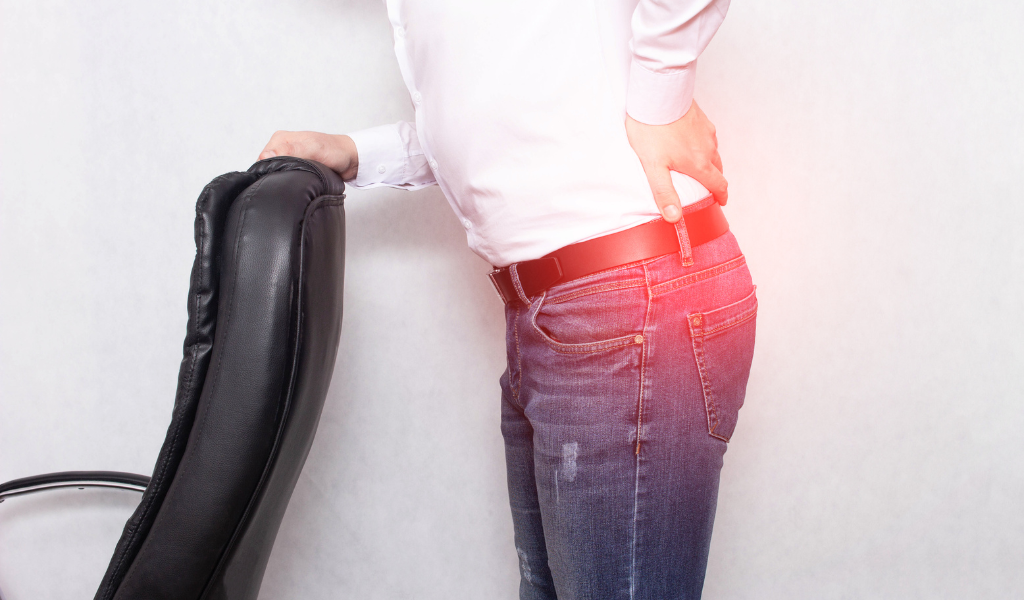
Sciatica It's a painful condition that affects many people, impacting their quality of life and limiting their mobility. Understanding the underlying causes, associated symptoms, and treatment approaches is essential for those seeking relief from sciatica. In this article, we'll explore sciatica from a physical therapy perspective, providing helpful information for those living with this condition.
What is Sciatica?
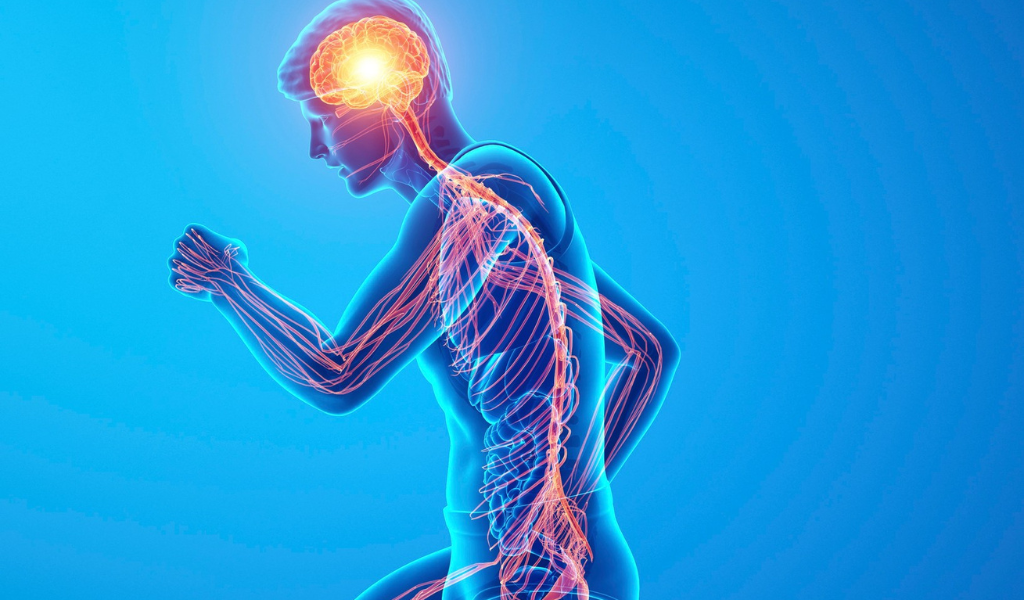
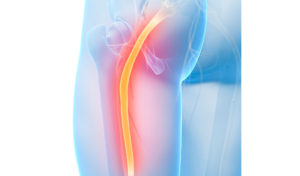 Sciatica refers to pain radiating along the sciatic nerve, the longest and widest nerve in the human body. This nerve extends from the lower back, through the buttocks, and down the back of each leg. Sciatica can manifest as a dull, burning, or sharp pain, often accompanied by tingling or numbness along the nerve's path.
Common Causes of Sciatica
Sciatica can have several causes, including:
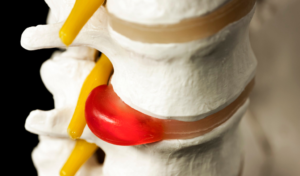 Lumbar Disc Herniation: One of the most common causes, in which the inner material of a spinal disc bulges and compresses the sciatic nerve.
Spinal Stenosis: a narrowing of the spinal canal that can put pressure on the nerve.
Piriformis Syndrome: irritation or compression of the sciatic nerve due to contraction of the piriformis muscle.
Injuries or TraumasAccidents or injuries involving the spine can damage the sciatic nerve.
Symptoms of Sciatica
Typical symptoms of sciatica include:
Pain extending from the lower back down the back of the leg.
Tingling or numbness in the leg or foot.
Weakness muscle in the affected leg.
Increased pain during prolonged sitting or lifting weights.
Therapeutic Approaches in Physiotherapy for Sciatica
Physiotherapy plays a key role in the treatment of sciatica. Therapeutic approaches may include:
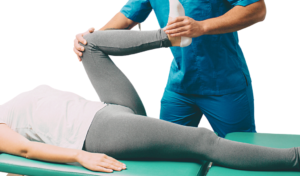 Therapeutic Exercises aimed at strengthening the back muscles and improving flexibility.
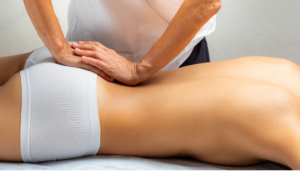
Manual Therapies such as therapeutic massage and myofascial release to relieve muscle tension and reduce nerve compression.
Specific stretching focused on the affected area to reduce tension.
Instructions on Correct Postures which can reduce pressure on sciatica.
Heat or cold therapy to reduce inflammation.
Prevention and Continuous Management
Prevention of sciatica may include practices such as maintaining a healthy body weight, adopting correct posture and regular exercise. For those living with chronic sciatica, ongoing management through physiotherapy can help maintain well-being and prevent relapses.
Conclusion
Physiotherapist Andrea Sgambati
Addressing sciatica requires a thorough understanding of its causes and targeted management through the assistance of physiotherapy.If you are experiencing symptoms of sciatica, consult an experienced physiotherapist For a detailed assessment and personalized treatment plan, physical therapy can be a crucial element in your journey to sciatica relief and a return to an active, pain-free life.


Via Donatello 75
00195 Rome
Tel. (+39) 06 39375719


Mon. – Fri. 8:00 – 20:00
Saturday 8:00 – 14:00

Via Donatello 75
00195 Rome
Tel. (+39) 06 39375719
Mon. – Fri. 8:00 – 20:00
Saturday 8:00 – 14:00

 planning of personalized treatments, that is, develop treatment plans adapted to the specific needs of the patient, taking into account neurological responses;
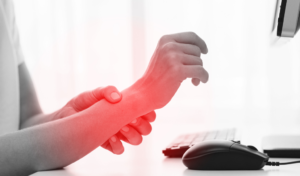 Carpal tunnel syndrome: a condition in which the median nerve in the wrist is compressed, leading to tingling and numbness.
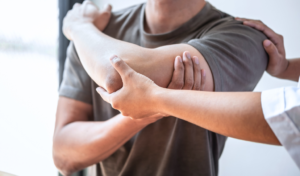 Specialist evaluation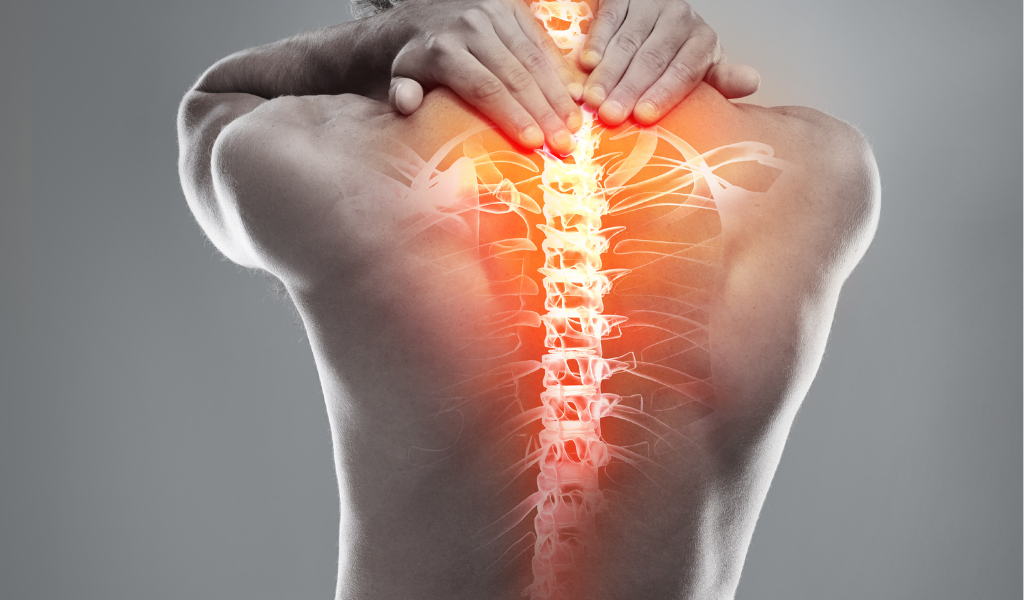
 Incorrect postureMaintaining poor posture during daily activities or at work can put pressure on your back.
 • Localized or diffuse pain in the back.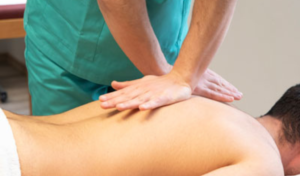
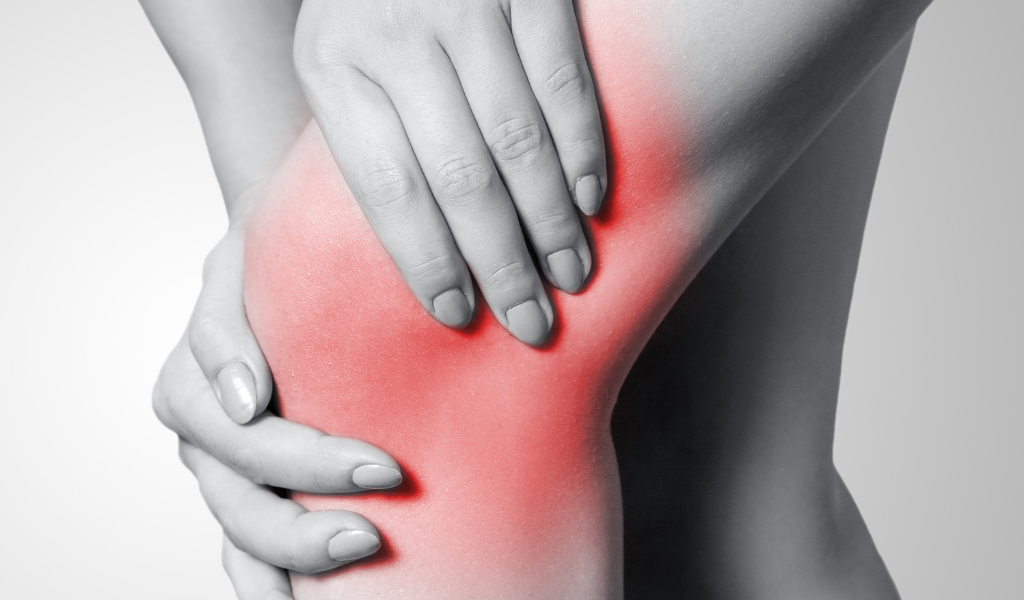
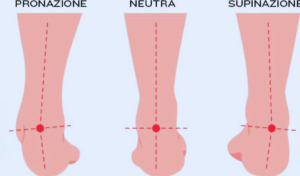 Incorrect squat or deadliftPerforming exercises like squats or deadlifts with incorrect technique can put excessive pressure on the knee joints.
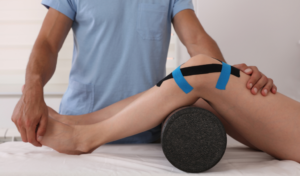 Assess the injury: Identify the cause of the pain and develop a personalized treatment plan.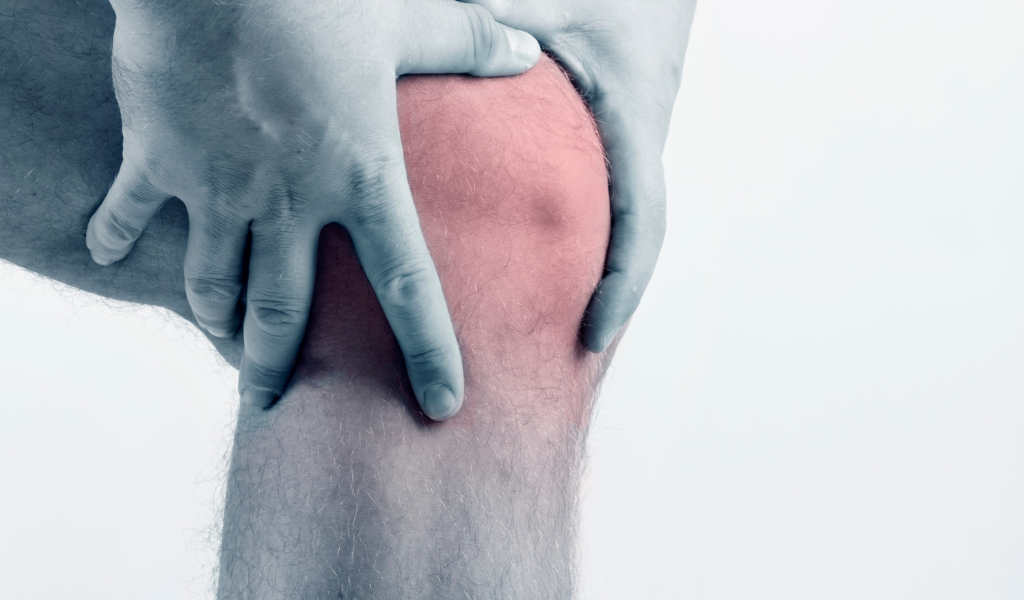
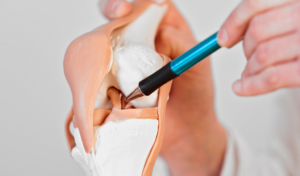 The anterior cruciate ligament (ACL) is a fundamental part of the knee's anatomy, playing a crucial role in stabilizing the joint. However, ACL injuries can occur as a result of sports injuries, falls, or other accidents. The good news is that physical therapy can be a key element in the recovery process, helping patients regain knee function and return to daily activities and sports.
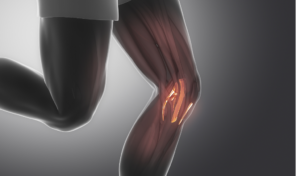 The ACL is one of the four main ligaments in the knee and its function is to prevent excessive anterior slippage of the tibia on the femur and to limit internal rotation of the tibia. It is responsible for preventing excessive movement between the tibia and femur. This ligament is particularly important for knee joint stability during activities that require changes of direction, such as in sports like soccer and skiing, where the knee is subjected to heavy stress. An ACL injury, in the acute phase, can cause instability, pain, and functional limitation of the joint, thus impairing the ability to participate in daily activities. However, the cruciate ligaments are not essential for proper gait; the truly important parameter is joint stability, which is essential during athletic activity.
 ACL injuries most often occur in sports situations involving strong twisting movements or sudden changes in direction. Sports injuries, such as soccer, basketball, and skiing, are often associated with ACL injuries. However, they can also occur in non-sports situations, such as falls or car accidents.
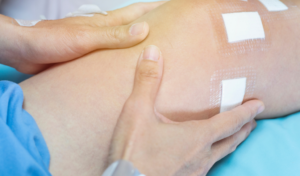 Redness, pain, and decreased range of motion. The physical therapist's initial goal is to reduce these common symptoms in the acute phase, restoring the patient to as normal a condition as possible. This process can sometimes take a month, partly because the initial phase is the most delicate for the patient, both emotionally and in terms of pain perception. The physical therapist can use swelling reduction techniques to improve the patient's comfort.
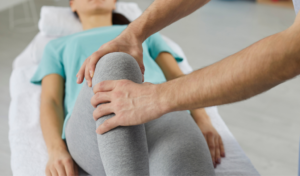 Recover full range of motion in the knee joint. Since the joint requires maximum range of motion to function properly, it is crucial not to leave it incomplete if you want to avoid future discomfort or problems. This second process requires an additional month. The patient will work with a physical therapist to restore full range of motion to the knee. This may include stretching and joint mobilization exercises.
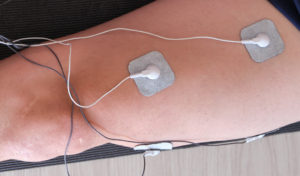 This is when you need to focus on strength. Following any surgical procedure, there is an immediate loss of weight and underlying muscle tone. Electrical stimulation and muscle recruitment must be performed from day one. Good exercise is like medicine: it soothes pain and reduces inflammation, as it stimulates catabolites, oxygenates the tissue through improved blood circulation, and consequently creates an immediate feeling of well-being in the patient.
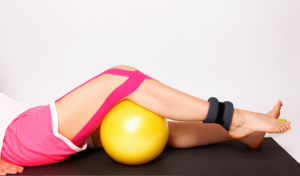 coordination, preparing him for the return to sports or daily activities (another month).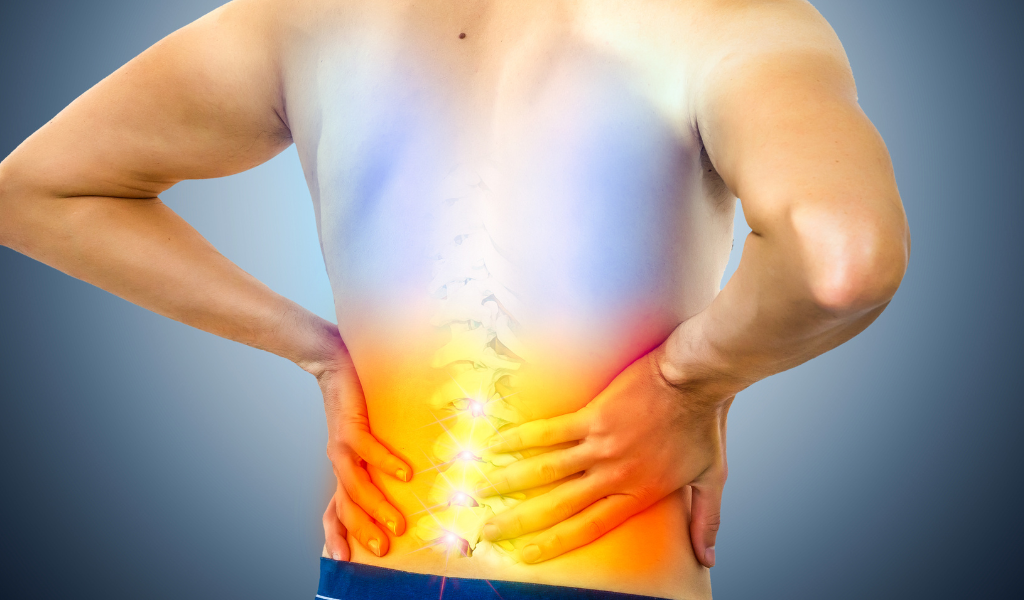
 Many researchers are studying low back pain and lumbosciatica, aiming to find a solution to the problem. Today, we have numerous physiotherapy tools that explain how rehabilitation can heal a back problem, but also how to maintain the benefits over time. In the future,
 will understand our problem and also find the solution. Today, for example, there are many spinal mobilization techniques that work even in the acute phase, and that can miraculously heal previously debilitating conditions or discomforts in a short time. This means that in the future we will have increasingly more options for addressing the problem conservatively, without the use of drugs or surgery. Therefore,
  Chronic pain of musculoskeletal origin undoubtedly requires specialized physiotherapy. The situation is different for chronic conditions whose pain originates from more central mechanisms, where the patient requires a multidisciplinary approach.
 directly on the nerve and therefore on neurogenic symptoms. Today, we have many natural tools to treat lumbar spine disorders, often even more effective than those remedies that appear quick and effective.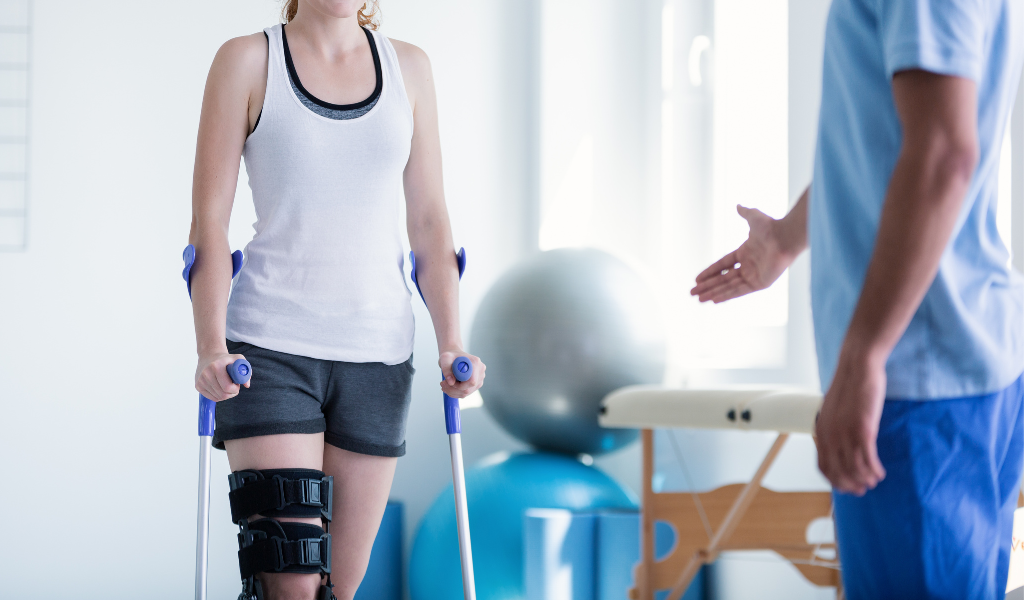
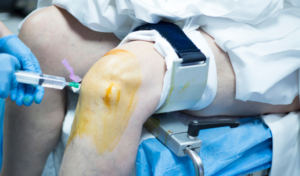 Surgery, on the other hand, is a consequence of a serious injury and therefore unplanned. After surgery, it is necessary to avoid blood clotting, you may have difficulty walking, if the operation was performed on the lower limbs, you may need to wear a brace or elastic stocking... There are numerous precautions that should not be underestimated, but one of the most important recommendations is GRADUALITY in things.
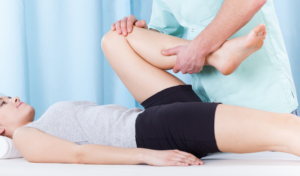 Often, regardless of the surgery, patients feel able to perform the normal movements or activities they did before. However, it's best to avoid the initial period, so as not to jeopardize the surgeon's work or avoid unnecessary complications. Often, those who undergo surgery in the summer decide their rehabilitation plan independently, and this is the worst thing they can do.
 It's a mistake to think that by resting or staying home to let time pass, you're recovering, because that's not the case. In fact, it's a harmful and dangerous attitude. Those who choose or who undergo surgery due to force majeure, before or during the summer, must do physiotherapy with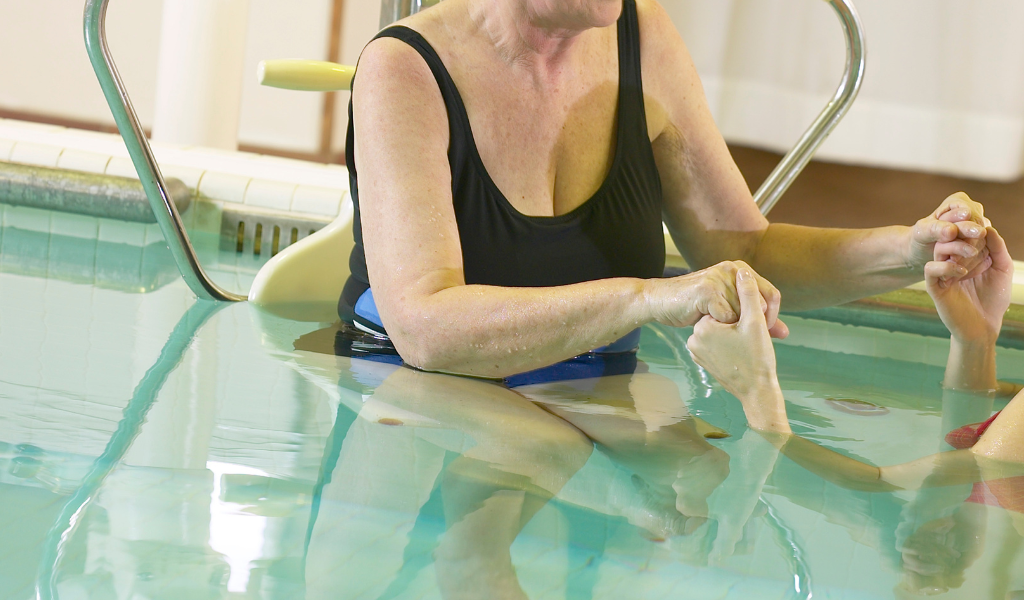
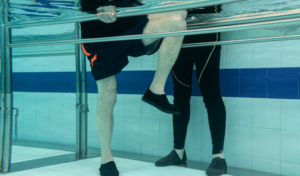 Since there is no gravity in water, we don't perceive our body weight. Therefore, patients with functional limitations, obesity, or simply advanced age will be able to feel more independent in an environment like a pool or the sea. In fact, in water, we perceive that some seemingly difficult movements can become easier, thanks in part to the buoyancy that will lift us upward.
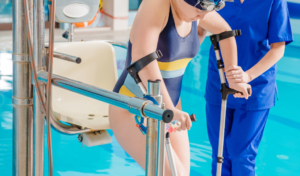 Water's resistance can be exploited to create and invent a variety of exercises aimed at strengthening muscles. For example, following lower limb surgery, patients lose their independence and the ability to walk, so water can be an excellent tool for re-educating patients to return to this physiological activity. The important message is not to recommend aquatic physiotherapy as a fundamental part of the rehabilitation process; rather, we must be aware that, as terrestrial animals, accustomed to gravity, we need to rehabilitate in our natural habitat.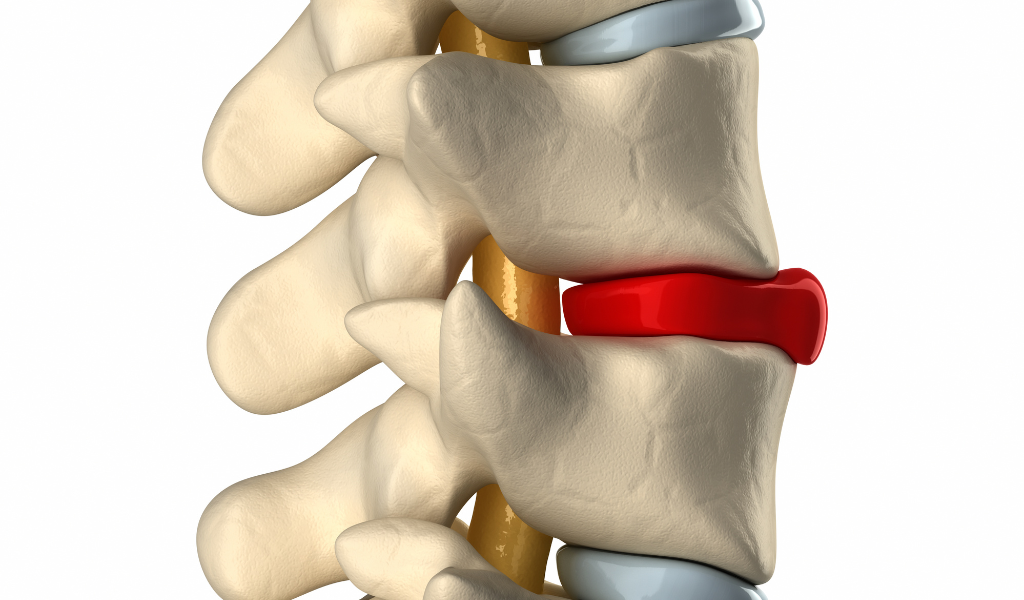
 The intervertebral disc is stretched and therefore taut, while the posterior wall is shortened and therefore relaxed. This condition could lead to the disc's only escape route being a posterior direction, contrary to what was claimed in the previous model.
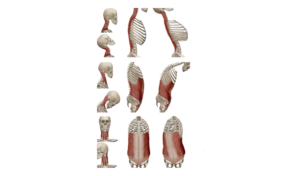 The nerves assume a more vertical direction, and the intervertebral foramen (TP3T) increases its area, creating more space for the structures within it. During extension, however, the spinal cord shortens and narrows the TP3T foramen. Although the nerve roots are relaxed during extension, the narrowing of the foramen, combined with a possible backward displacement of the intervertebral disc, could cause nerve compression. Clinical presentations are varied, and mixed components may occur, so the patient experiences pain during both flexion and extension.
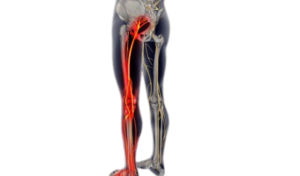 A very common example is the lumbosciatica, following the closure of the L5-S1 foramen (the smallest of the intervertebral foramina). If the herniation compresses the root, creating a radiculopathy, nerve conduction is blocked in the spinal nerve axon or its roots, causing hypoesthesia (numbness), muscle weakness, and/or reduced reflexes, but it is important to specify that this is not radicular pain. The association between hernia and pain is not correct, because we could only have silent symptoms., or have associated neuropathic pain, distributed across the dermatomes of the body, radiating below the knee and often to the foot. Therefore, the distribution of symptoms is very important; if they were to be anterior, it would be called lumbocruralgia, along the course of the crural nerve (L4 and proximal roots) instead the posterior distribution, the famous lumbosciatica, along the course of the sciatic nerve (L5-S1).
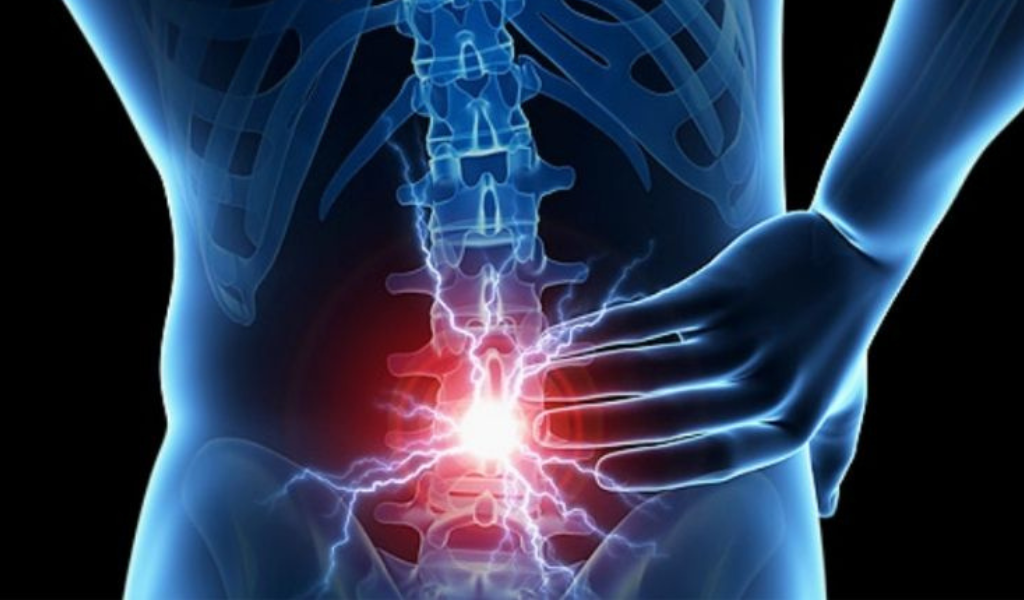 Colopathy is characterized by impaired sensation, strength, and reflexes, as well as the absence of pain. This condition is even more evident in chronic cases, where the symptoms are very severe but painless. This detail must always be taken into consideration, because the absence of pain does not indicate patient improvement. The patient's progress can only be considered evident in terms of regained sensation, strength, and reflexes. This assessment should be performed bilaterally to compare the affected side with the contralateral side.