
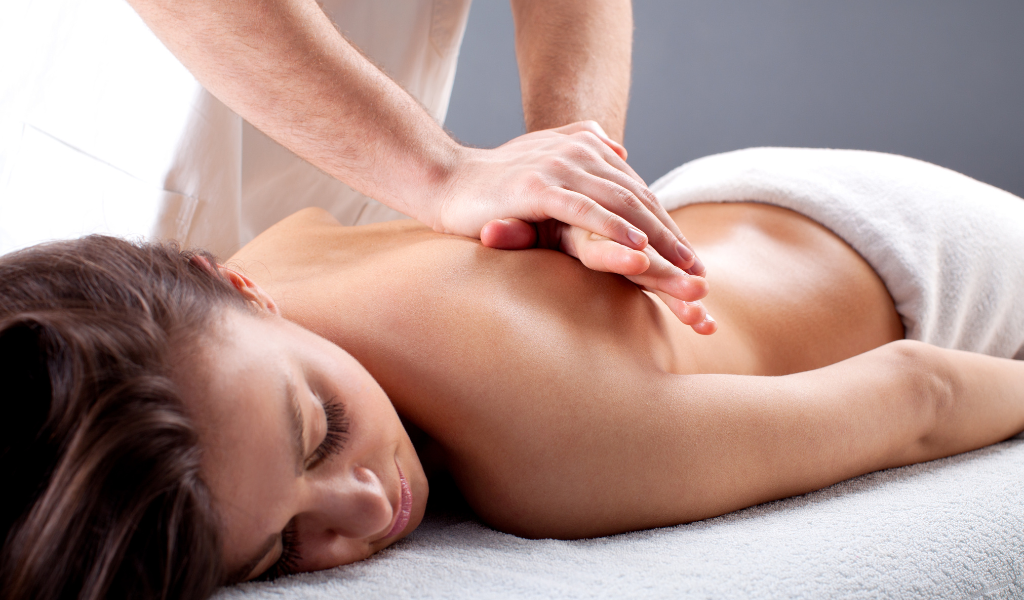
An in-depth look at the origins, techniques, and benefits of one of the most popular practices for relaxation and body vitality.
Among the numerous manual approaches dedicated to body care, the Swedish massage It has long occupied a prominent position. Not only for its effectiveness, but also for its ability to combine simplicity and depth: a rare balance, which makes it suitable both for those who are approaching massage for the first time and for those looking for a constant and targeted treatment for keep the body healthy over time.
In areas like Flaminio, North Rome, more and more people are rediscovering this treatment as an integral part of a lifestyle oriented towards authentic well-being, free from excess but attentive to quality.

Origins and philosophy of Swedish massage
Developed in the 19th century by Swedish physician Per Henrik Ling, Swedish massage is based on a series of structured manual maneuvers, designed to stimulate the muscles, improve circulation and promote deep relaxation. Unlike more energetic or oriental techniques, this European approach aims to physical and nervous rebalancing, through measured, progressive gestures that respect individual rhythms.

How does a session take place?
A typical Swedish massage session lasts between 40 and 60 minutesThe therapist works on the whole body, or on targeted areas (shoulders, back, legs), using:
-
Slow and relaxing touches (effleurage)
-
Deeper kneading (petrissage)
-
Pressure and friction to release localized tension
-
Light percussion and vibrations to tone
The pace and intensity vary according to the person's needs, physical condition, and the goals of the session.
Benefits beyond relaxation
Swedish massage is known for its relaxing qualities, but it also offers functional benefits interesting, especially when integrated into a regular wellness routine:
-
Improve the lymphatic and venous circulation
-
Relieves muscle tension due to prolonged postures or stress
-
It promotes the body awareness and the deep breath
-
It helps to regulate the sleep-wake rhythm
-
It can help to counteract mental fatigue, often linked to emotional or cognitive overload
In some phases of life, when you perceive changes in the body or energy level, this type of treatment can represent a valid non-invasive support.

A gesture of care that goes beyond the surface
Swedish massage is not only a pleasant break, but it can become a conscious practice of listening to the bodyIn an era where it is easy to fall into quick or poorly personalized solutions, its effectiveness lies precisely in the slowness and precision of human contact.
Those who live in areas like Flaminio, Parioli, Prati or other areas of Northern Rome, often looking for places and treatments that combine professionalism, a private environment and continuity over timeIn this sense, Swedish massage fits naturally into a routine of attention, prevention, and sustainable well-being.
Contraindications: when it is best to avoid it
Although it is a gentle technique, Swedish massage requires some precautions. It is not recommended for:
-
acute febrile or inflammatory states
-
unmonitored vascular fragility
-
infectious skin diseases
-
some serious cardiovascular conditions
In case of doubts or chronic pathologies, a medical consultation is always recommended before treatment.
A practice that spans time
From 19th-century Scandinavian clinics to modern treatment rooms in urban settings like Rome, Swedish massage has survived the centuries without losing its effectiveness. In an age where self-care is increasingly a conscious choice, this technique still represents today one of the simplest and most intelligent forms of listening to the body.



Via Donatello 75
00195 Rome
Tel. (+39) 06 39375719


Mon. – Fri. 8:00 – 20:00
Saturday 8:00 – 14:00

Via Donatello 75
00195 Rome
Tel. (+39) 06 39375719
Mon. – Fri. 8:00 – 20:00
Saturday 8:00 – 14:00


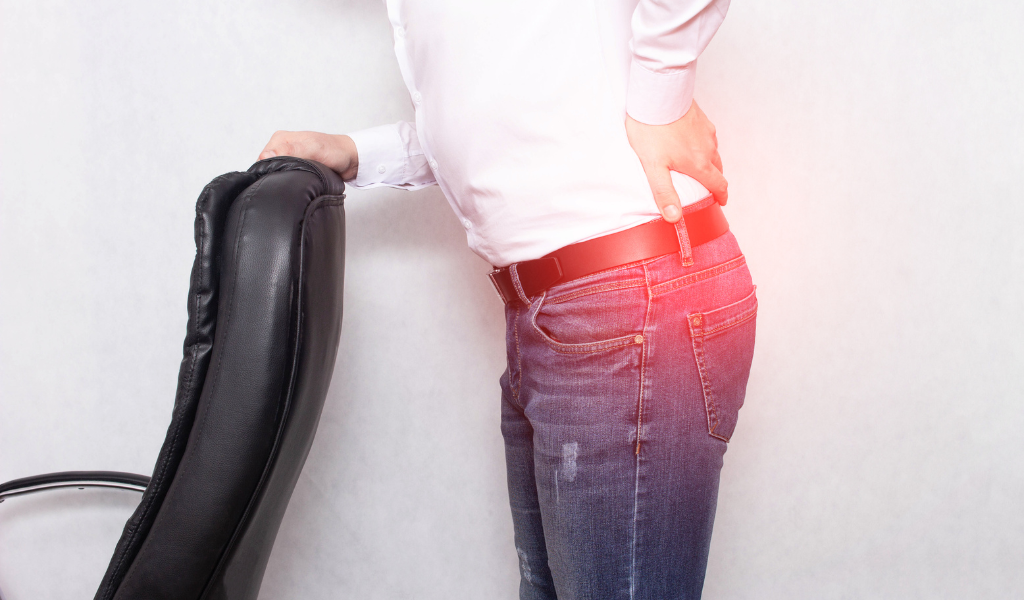
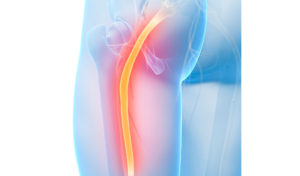 Sciatica refers to pain radiating along the sciatic nerve, the longest and widest nerve in the human body. This nerve extends from the lower back, through the buttocks, and down the back of each leg. Sciatica can manifest as a dull, burning, or sharp pain, often accompanied by tingling or numbness along the nerve's path.
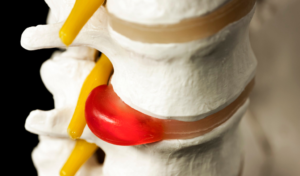 Lumbar Disc Herniation: One of the most common causes, in which the inner material of a spinal disc bulges and compresses the sciatic nerve.
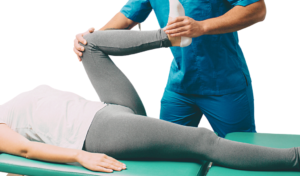 Therapeutic Exercises aimed at strengthening the back muscles and improving flexibility.
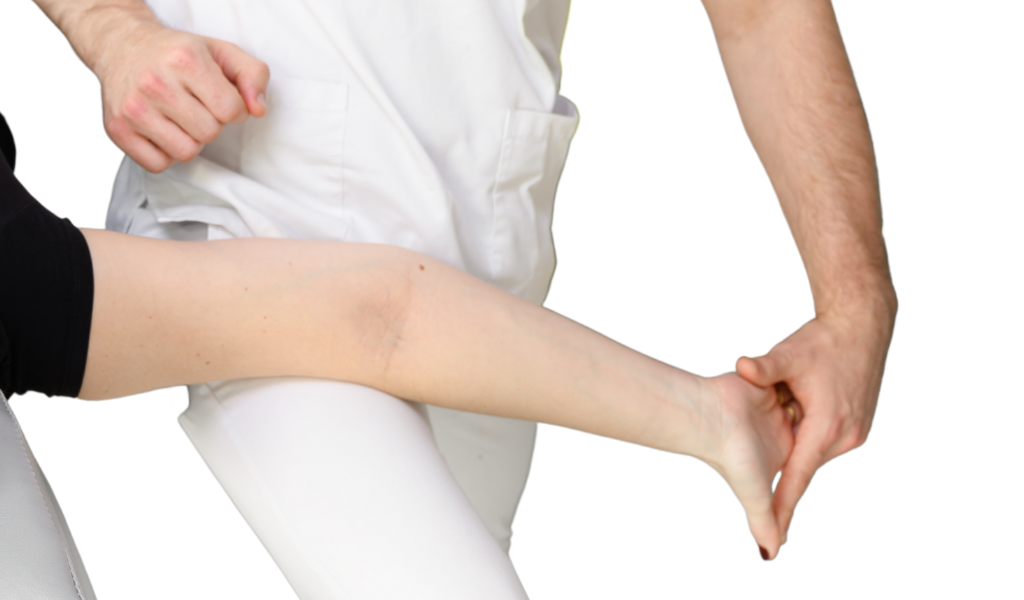
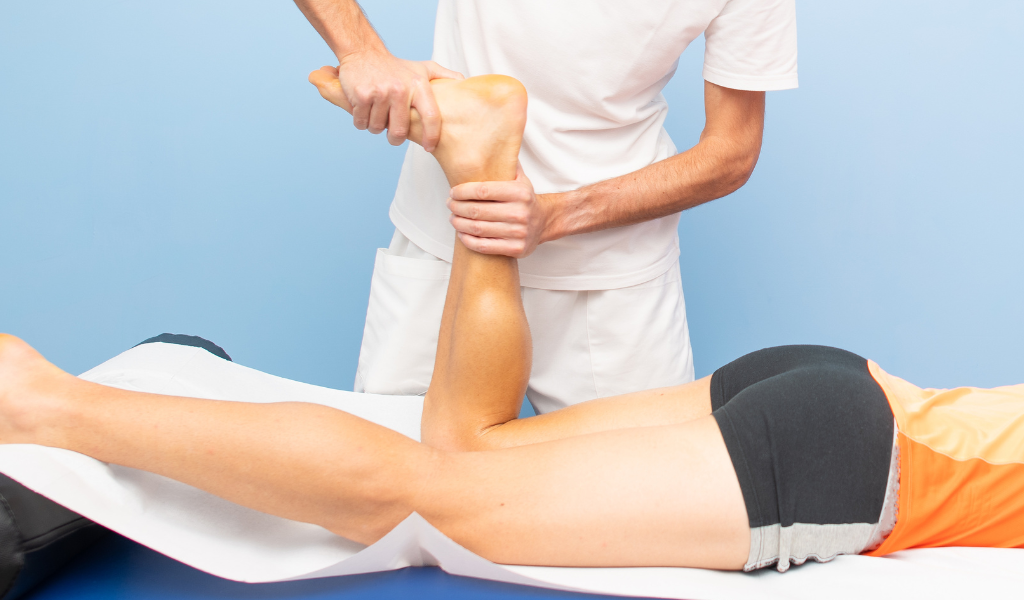
 The nervous system is a complex system composed of intricate interconnections between its structures, with retrograde and anterograde conduction and bottom-up/top-down pain inhibition mechanisms. Conduction is enabled by structures such as ion channels, mechanoreceptors, synapses, and so on.
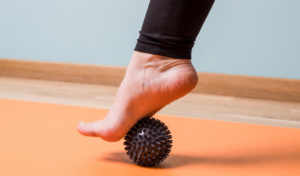 Specific nerve mobilization exercises: targeted exercises to improve mobility and reduce tension in the involved nerve structures.
 Improved mobility and flexibility: Reduction of neural tension to improve mobility and flexibility.
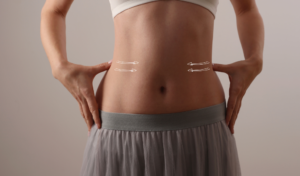 Postural asymmetry occurs when there are visible or measurable differences between the posture of one part of the body and another. These asymmetries can affect the shoulders, hips, spine, or other parts of the body. Asymmetrical posture can be due to a variety of factors, including postural habits, past injuries, muscle dysfunction, or structural problems.
 Postural asymmetries can have many different causes, including:
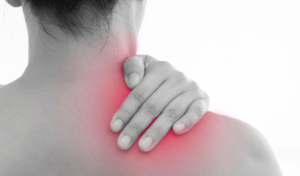 • Muscle pain, often in the lower back, neck and shoulders.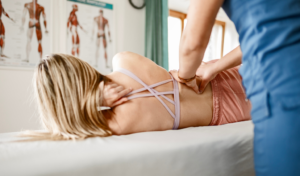
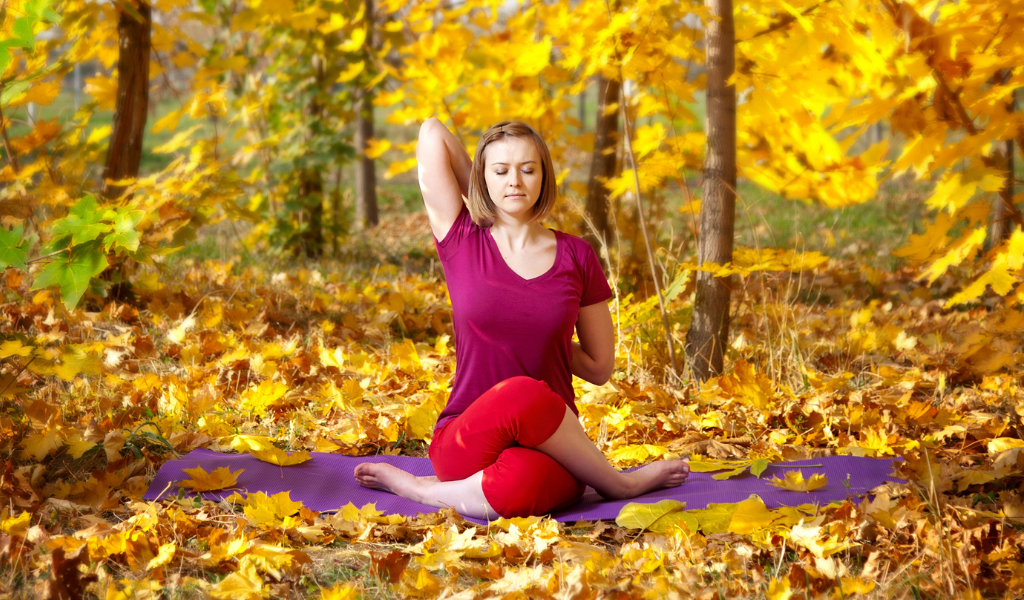
 Correct posture is essential for the general well-being of our body. Poor posture can cause health problems, such as back pain, muscle tension, and joint problems.It also affects our confidence and projection into the environment. Postural Pilates is a highly effective method for improving posture. Through specific exercises, it helps strengthen postural muscles, increasing stability and body alignment.
 Postural Pilates offers a wide range of benefits. One of the main advantages is core strengthening, which includes the abdominal, lumbar, and pelvic muscles.This strengthening helps improve core stability and prevent back problems. Furthermore, postural Pilates promotes flexibility, improving the range of motion of the joints. This can help prevent injuries and improve coordination.
 One of the most striking features of postural Pilates is that it is suitable for all ages and fitness levels. Regardless of your current physical condition, The training program can be customized to meet your specific needs. This makes postural Pilates accessible to everyone, from young to old, from beginners to experienced athletes.
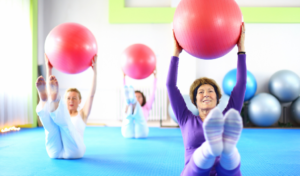 to autumn, offering a fresh start and motivation to adopt healthy habits. Cooler temperatures and shorter days can be an incentive to seek out indoor activities, and postural Pilates is an excellent choice.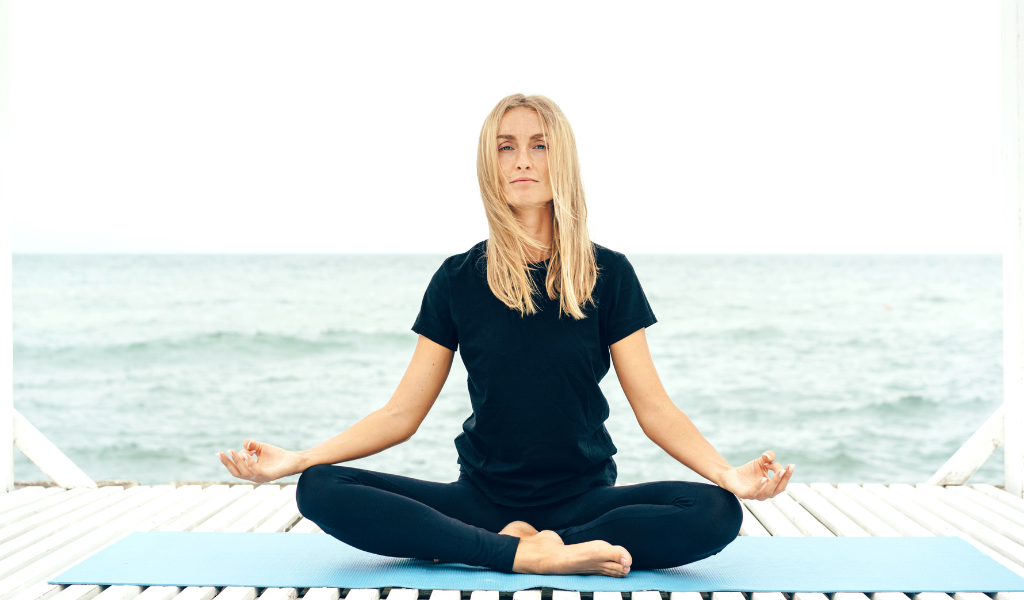
 Stress is a common problem in today's society and can significantly impact a person's health and well-being. Its impact extends far beyond the mental sphere, also affecting the body and the immune system. However, there are many strategies for managing stress, and one of the most effective is yoga. Yoga not only helps reduce stress, but also promotes relaxation and overall well-being.
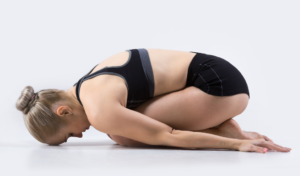 Child's pose (child's pose): This pose involves a gentle stretch of the back and helps relax the lower back muscles.
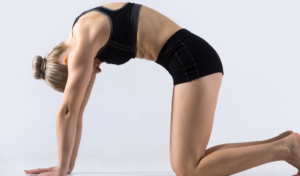 Cat-cow pose (Cat-Cow Pose): This fluid movement helps release tension in the spine and relaxes the upper body.
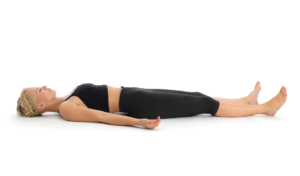 Savasana (corpse position): a position of total relaxation, ideal for restoring calm and mental clarity.
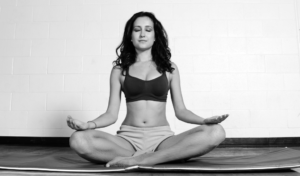 4-7-8 Breathing TechniqueInhale for 4 seconds, hold for 7 seconds, and exhale for 8 seconds. This breathing exercise has been shown to reduce anxiety.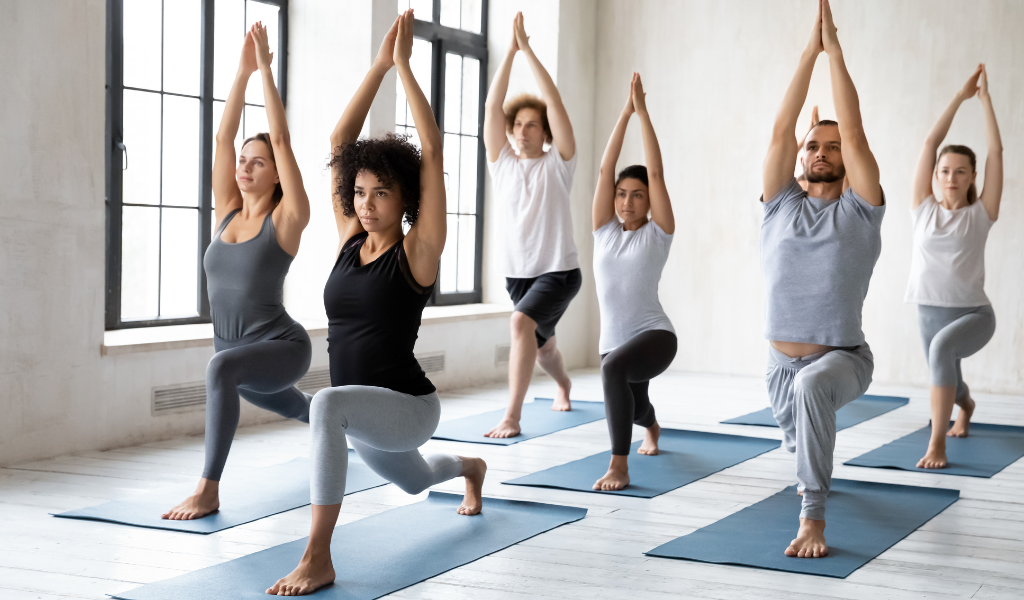
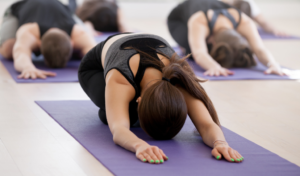
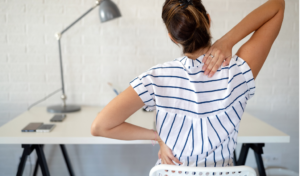 In our daily lives, we're constantly subjected to excessively static postures due to work, long hours spent sitting, the weight of gravity, and physical strain. All of these factors lead to poor posture, with a hunched back, increased kyphosis, and a vertical position of the cervical or lumbar spine.
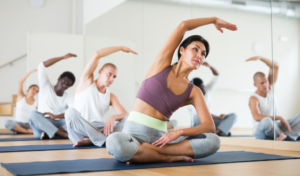 Pilates, with its training method, has the ability to simultaneously strengthen and correct posture, working the back muscles with virtually no risk of injury. Once you follow the correct progression of exercises, your back will undoubtedly become stronger, and a strong back will consequently lead to better posture. Well-trained back and abdominal muscles will allow you to better support your entire torso, leading, class after class, to a naturally upright posture and consequently better posture.
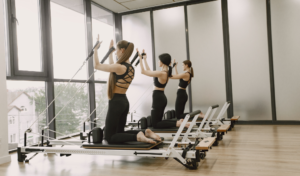 Pilates exercises can be performed free body on the mat with a Pilates matwork, but also with the help of a machine called Reformer This will increase the resistance profiles of the exercises. Furthermore, breathing during the class will further release tension accumulated throughout the day and improve muscle strengthening. Unlike other types of training, in Pilates, each exercise is repeated a few times and performed slowly and with great precision, focusing not on quantity but on the quality of movement.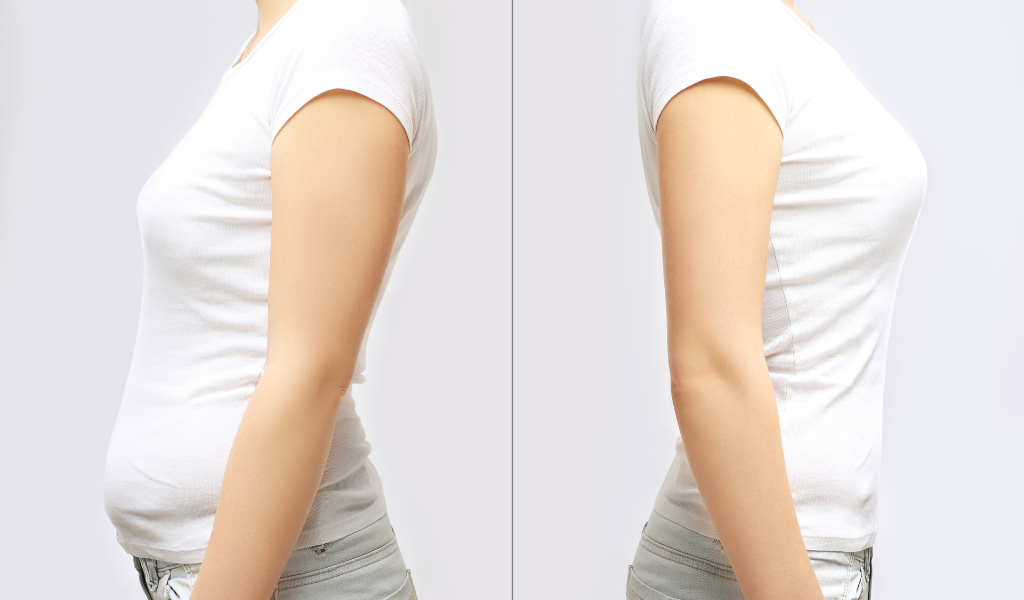
 Posture, postural, or improving posture are often misused. In fact, many physiotherapists specialize in postural issues, despite having done other things in their careers. Without recognized medical qualifications, they create real confusion. Providing sound advice to your patients can be helpful in avoiding future problems and maintaining overall good health. All physiotherapists, at the beginning of their training, study what are known as anatomical points of the body. Using a plumb line, it is possible to identify landmarks on the various planes and axes. All this can be assessed through careful observation of the patient who comes to the office.
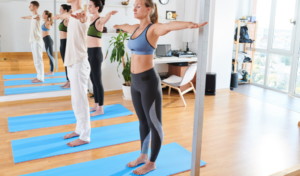 Humans love perfection, as Mother Nature intended, and so a body that moves in synergy and coordination could certainly be much more efficient than one that moves completely uncoordinated. If you lead a sedentary lifestyle with little exercise and therefore harmful behaviors, it would be helpful to minimize them as much as possible. Listen to your body and create a daily routine with some physical activity. If you feel it's appropriate, seek professional help, at least initially; they can correct what we call postural defects. Posture, however, isn't everything! Be careful when medical professionals describe your problem, pain, or defect as a consequence of your posture: everything must be proven, through tests and bodily signals; today we have the tools to understand.
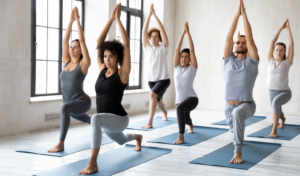 Investing time in posture and proper body use isn't a waste of time, and we can do it in countless ways, including with the help of a professional, who can address both the physical and psychological aspects. Start with very small steps and gradually progress to larger ones. My advice is to exercise in a group, but don't be afraid to do it alone; in fact, this can boost your self-esteem in the future. Find a group that does activities at your level, without any fear, but with the understanding that it's for your well-being and sometimes allows you to overcome unfounded fears and achieve greater self-awareness.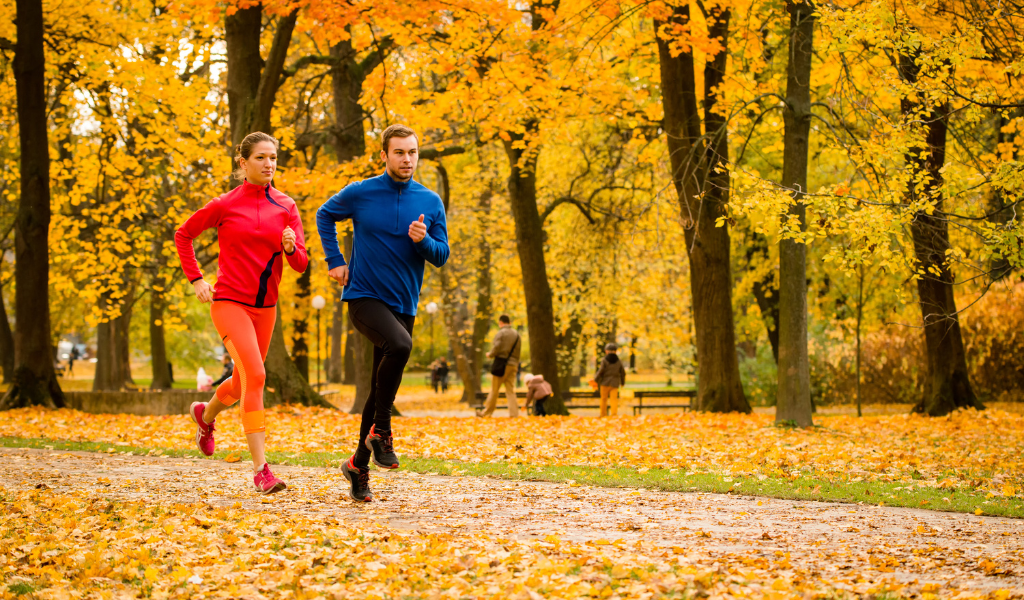
 First of all, always cover up before going out, because sweating in summer is normal, as temperatures remain high well into the evening. Autumn is a different story, with its colder temperatures, which are therefore also dangerous for our health. Clothing is the first precaution to take. Dress in layers and use a raincoat that protects us from humidity and temperature changes, which are terrible for exposed body parts. It's no coincidence that most flu cases begin during this time of year, when, among other things, the flu vaccine is highly recommended for those over 60. Once we've sorted out our clothing, let's move on to the active phase.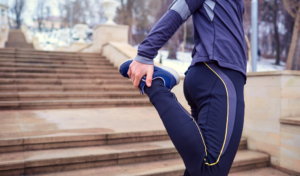
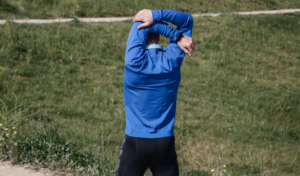 Always considering your starting situation and the training goal, dedicate 10 minutes to warming up, for example, with a brisk jog at a steady pace and low frequency. If you play sports that use the upper limbs, dedicate another 5 minutes to warming up your upper body, for example, using low-resistance bands with repeated movements in extra rotation. In short, always consider what you'll be doing, whether you play paddle tennis or plan on playing five-a-side football.
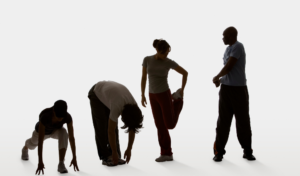 Demonstrate the effectiveness of stretching. By empirical logic, having mobile and elastic joints allows the body to move more easily and therefore to experience fewer problems during sports. You'll get a feeling of lightness instead of total stiffness. In short, after those canonical 10-minute warm-up, move on to joint mobility (stretching).
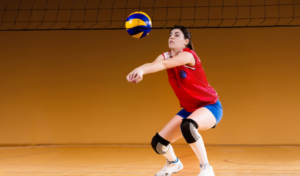 What constitutes "good posture" and "good athletic movement." If we're career lawyers and have therefore dedicated our lives to studying, it doesn't mean we'll forever be forced to have poor posture. Not necessarily! However, we'll definitely have to work hard at it, and it will require a lot of dedication. So work on your posture, take professional athletes as an example, and sometimes spend time and money with qualified people who can teach you basic posture for your favorite sport. Never improvise; always follow the advice of experts.