MANUAL THERAPY
Orthopedic Manual Therapy, known by the English acronym OMT (Orthopedic Manipulative Therapy), consists of:
• in the evaluation of the functions of the musculoskeletal system, and therefore of the symptoms, in the overall assessment of the patient and in the understanding of the mechanisms of pain;
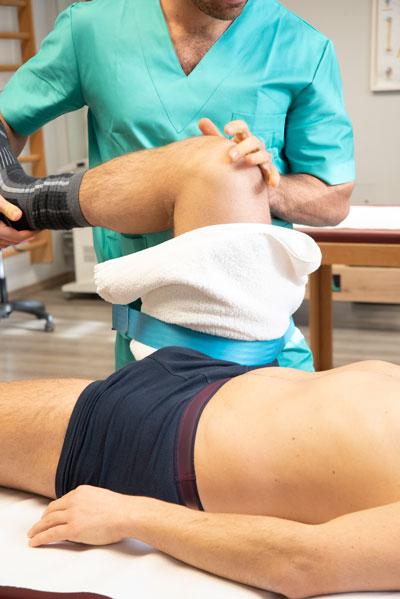
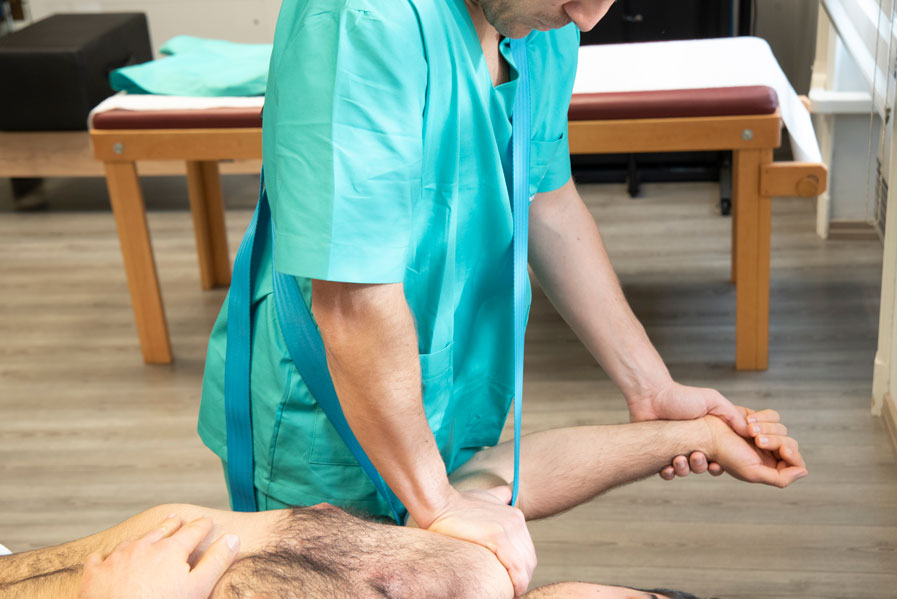
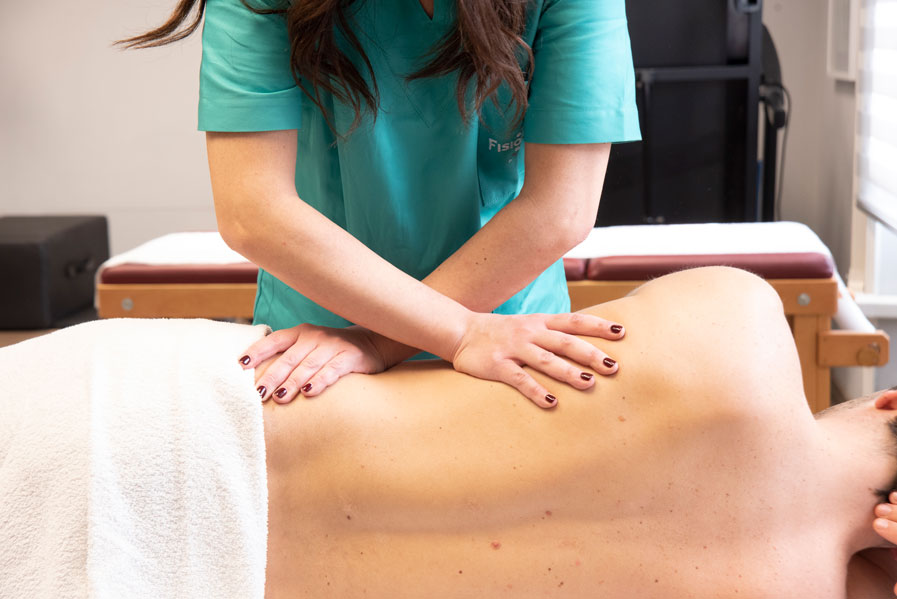
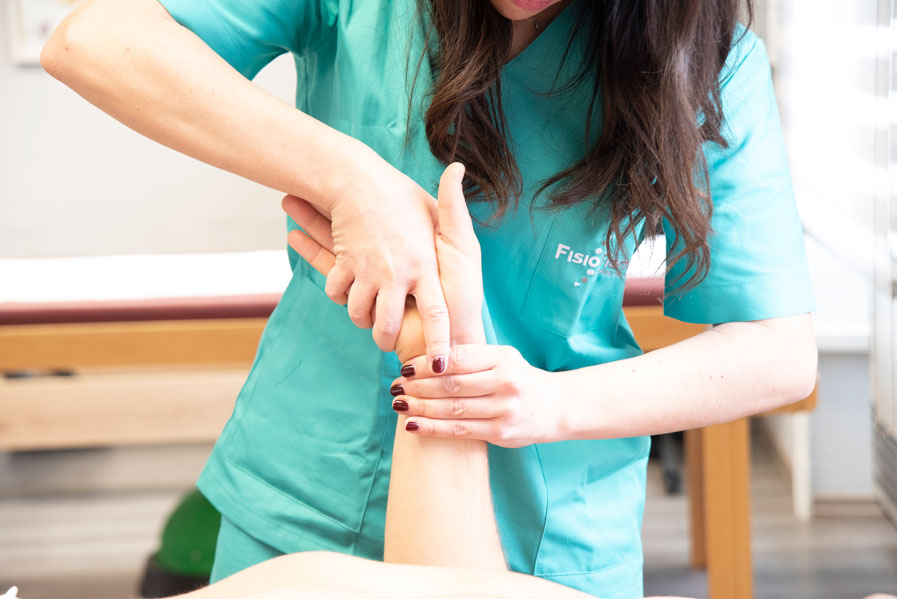
• Treatment consists of a highly specific therapeutic approach, which includes manual techniques, such as mobilizations and manipulations, and therapeutic exercises.
Orthopedic Manual Therapy places particular emphasis on the scientific and clinical evidence behind the techniques used.
The "Fathers" of Orthopedic Manual Therapy are physiotherapists Olaf Evjent, Freddy Kalternborn, and Geoffrey Maitland.
In 1974 they joined forces at an international level by founding IFOMPT, an acronym for “International Federation of Orthopedic Manipulative Physcal Therapists”.
Since 1978, INFOMPT has represented the first subgroup of the WCPT, the World Federation of Physiotherapists.
Italy joined as a country in 2004.
RELATIONSHIP BETWEEN PHYSIOTHERAPY AND MANUAL THERAPY
The main difference between manual therapy and traditional physiotherapy is that treatment aims to address the cause of the problem and not just the symptoms, including assessment, diagnosis, treatment plan, intervention, and reassessment.
Manual Therapy is a physiotherapy specialty for the management of neuromusculoskeletal conditions.
It is essential to understand that the manual therapist is the specialized physiotherapist, who has completed a specific university master's degree for this purpose.
THE TREATMENT
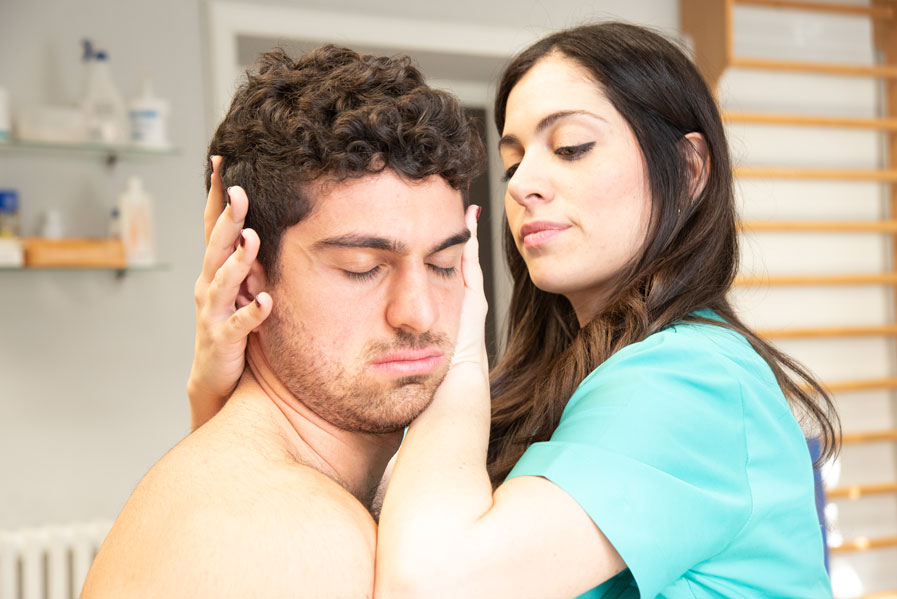
Patient treatment is based on the clinical thinking of the physiotherapist/manual therapist, who uses highly specialized therapeutic approaches.
Through the patient's medical history and physical examination, the main causes of the musculoskeletal condition and the individual needs of each patient are identified.
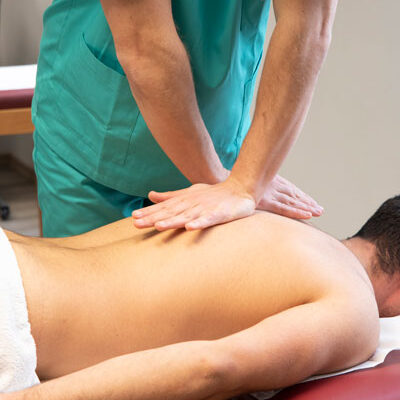
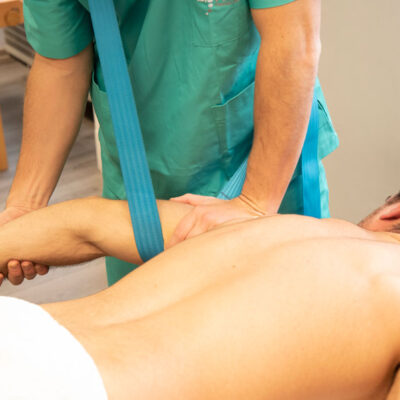
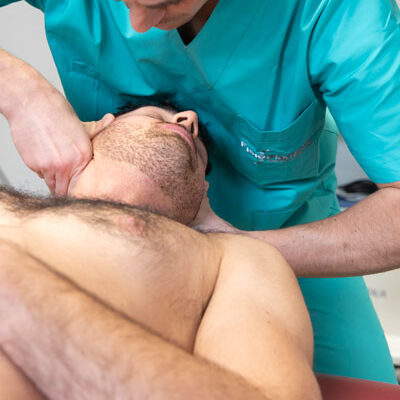
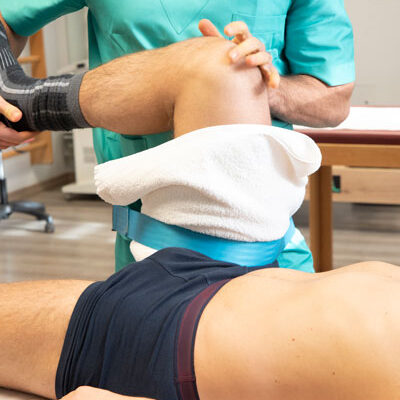
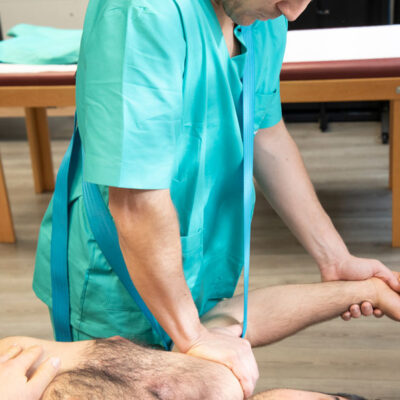
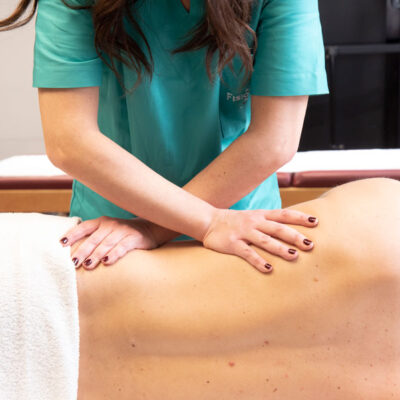
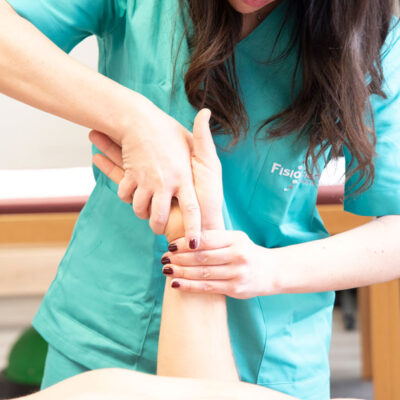
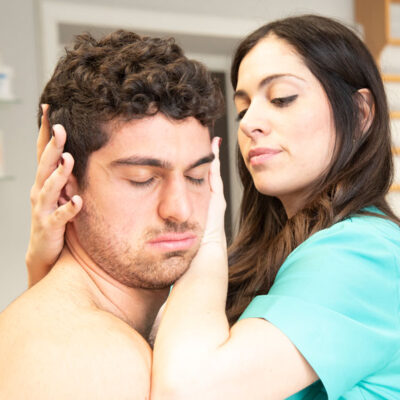
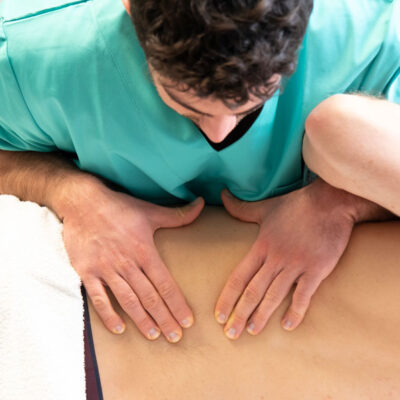
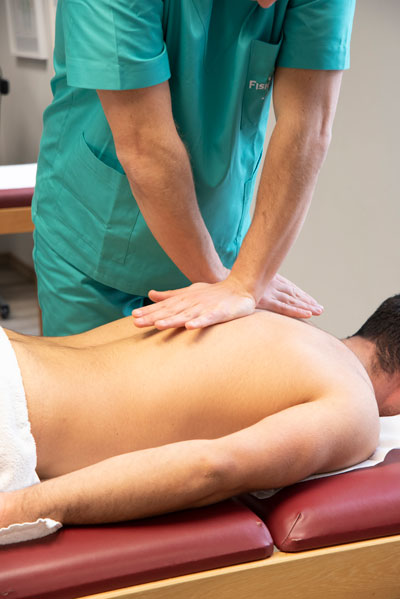
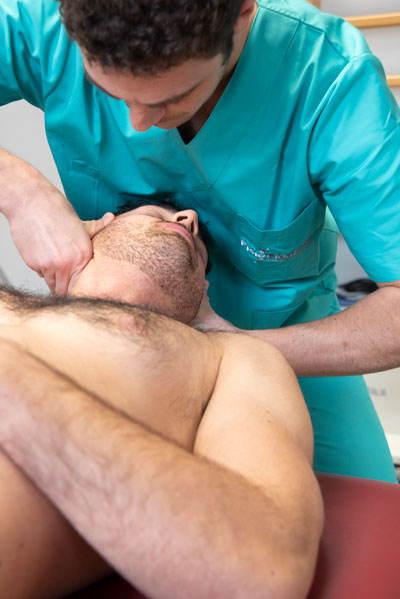
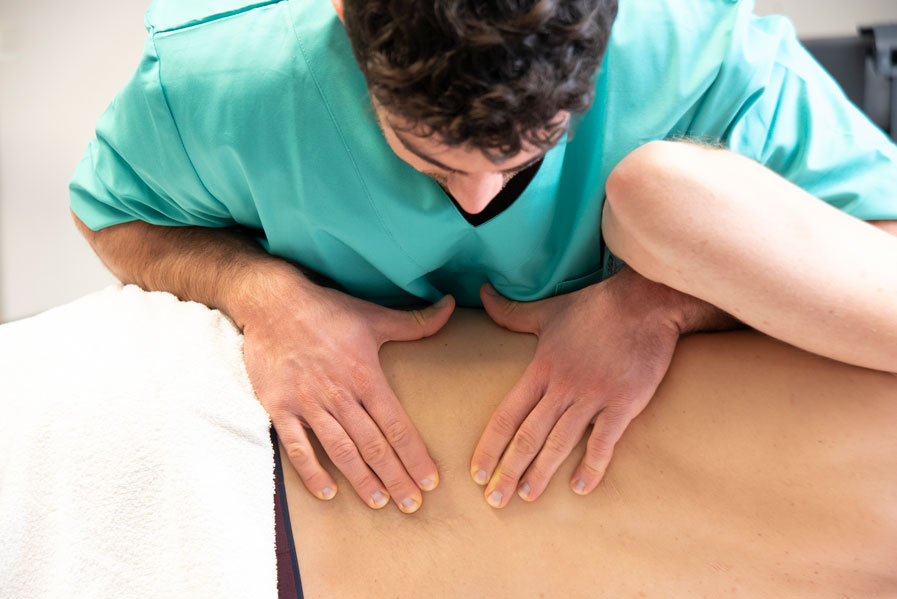
Manual therapy includes special mobilization/manipulation techniques, applied exclusively by the therapist's hands (manual therapy), specific therapeutic exercises (always under the guidance of the therapist), and professional advice (instructions – information about the condition, finding solutions to facilitate daily activities).
The use of equipment is limited only to those supported in terms of efficacy by the scientific community and the treatment is based on the dynamic interaction between therapist and patient.
This approach includes and is guided by scientific evidence along with the experience of the professional who interprets and evaluates the biopsychosocial context of each patient.
In PhysioFlaminio There are internationally renowned therapists such as Harris Nikolakakis (a manual therapist with 6 years of university training behind him), who, despite having attended universities in different countries, absorbing and living different experiences, have a method that unites them: manual therapy.
There's a common thread that unites all international manual therapists. Avoiding arguments about treatment modalities or the diversity of diagnostic hypotheses allows for shared reasoning and clinical vision, which helps patients more easily find the answer to their problem.
In medicine, opinions often differ, precisely because the human being and his nature are still a mystery in many respects, and we cannot and should not reason as if the patient responded to mathematical logic.
The patient is not a machine. This is why manual therapists follow common international guidelines, which allow them to communicate better with each other and assess patients equally.
(Not all) Manual (are) Therapists