
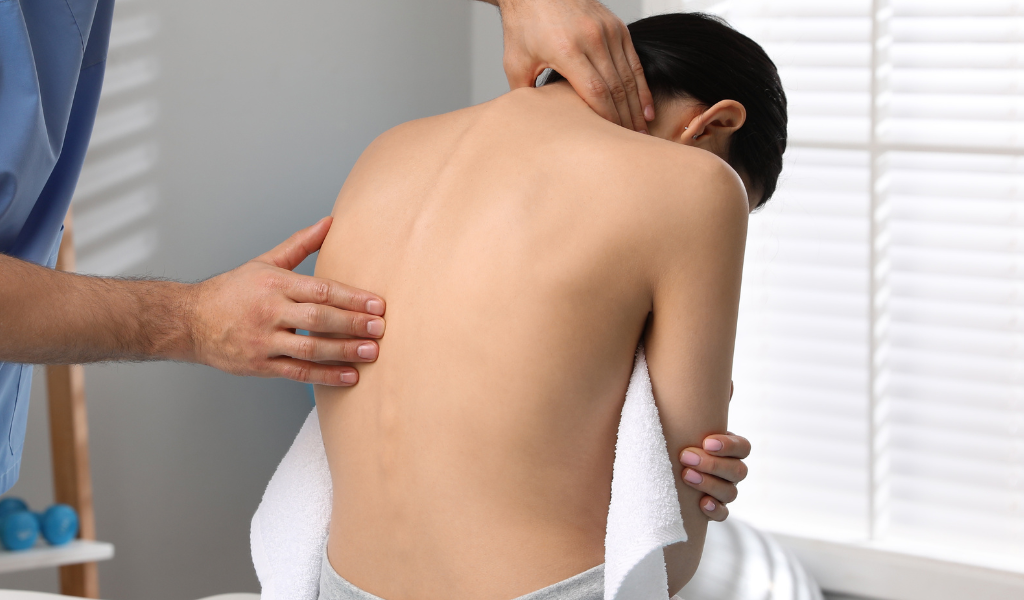
What is Scoliosis?
Scoliosis is a deformity of the spine that manifests itself with a lateral curve and a 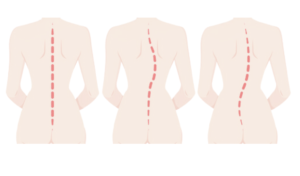 Rotation of the vertebrae. It can occur at different age groups and may be caused by genetic factors, muscle problems, or nervous system dysfunction.
Many individuals with scoliosis may experience symptoms such as pain, limited mobility, and muscle tension. In this article, we will explore how the advanced approach of neurodynamics It can be integrated into physiotherapy to manage and improve scoliosis.
Role of Neurodynamics in Scoliosis
Neurodynamics, which studies the interactions between the nervous system and the musculoskeletal system, offers an advanced approach to treating scoliosis. Neurodynamic exercises and techniques can be customized to improve nerve function, reduce muscle tension, and promote better posture.
Neurodynamic Exercises for Scoliosis
Specific mobilization of the spine:
• Exercises aimed at improving the mobility of the vertebrae in the area affected by scoliosis.
• Controlled movements to stimulate flexibility and reduce stiffness.
Asymmetric Strengthening Exercises:
• Focus on exercises that strengthen weak muscles in the area affected by the scoliosis curve.
• Balancing muscle tone to improve symmetry and stability.
Myofascial Release Techniques:
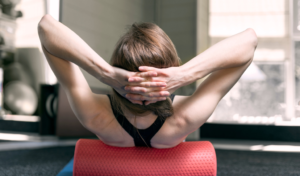 • Application of targeted pressure to release muscle tension associated with scoliosis.
• Improved flexibility and comfort.
Postural Education and Conscious Movement:
• Teach the patient correct posture techniques to reduce stress on the spine.
• Promote mindful movement to prevent harmful postures.
Integration with Traditional Therapy
 Neurodynamics can be successfully integrated with traditional scoliosis therapy, which may include conventional physical therapy, stretching exercises, and manual therapy. A thorough assessment by a specialized physical therapist will guide a personalized treatment plan that takes into account the patient's specific needs.
Benefits of Neurodynamics in the Management of Scoliosis
Pain Reduction: By improving nerve function and mobility, neurodynamics can help reduce pain associated with scoliosis.
Improved mobility: Targeted exercises promote flexibility and mobility of the spine, improving the quality of movement.
Balanced muscle strengthening: Neurodynamics can help rebalance asymmetrical muscles, contributing to better stability and posture.
Prevention of complications: Integrating neurodynamics into scoliosis management can help prevent long-term complications and improve quality of life.
Conclusions
Physiotherapist Andrea Sgambati
The neurodynamic approach offers an advanced and personalized option for addressing scoliosis. Integrating neurodynamic exercises into physiotherapy can be an effective strategy to manage symptoms, improve nerve function, and promote a better quality of life for those living with this condition.Before starting any exercise program, it is advisable to consult a specialized physiotherapist for a detailed assessment and the design of a treatment plan tailored to your individual needs.


Via Donatello 75
00195 Rome
Tel. (+39) 06 39375719


Mon. – Fri. 8:00 – 20:00
Saturday 8:00 – 14:00

Via Donatello 75
00195 Rome
Tel. (+39) 06 39375719
Mon. – Fri. 8:00 – 20:00
Saturday 8:00 – 14:00


 Carpal tunnel syndrome: a condition in which the median nerve in the wrist is compressed, leading to tingling and numbness.
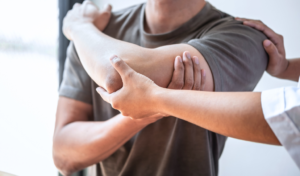 Specialist evaluation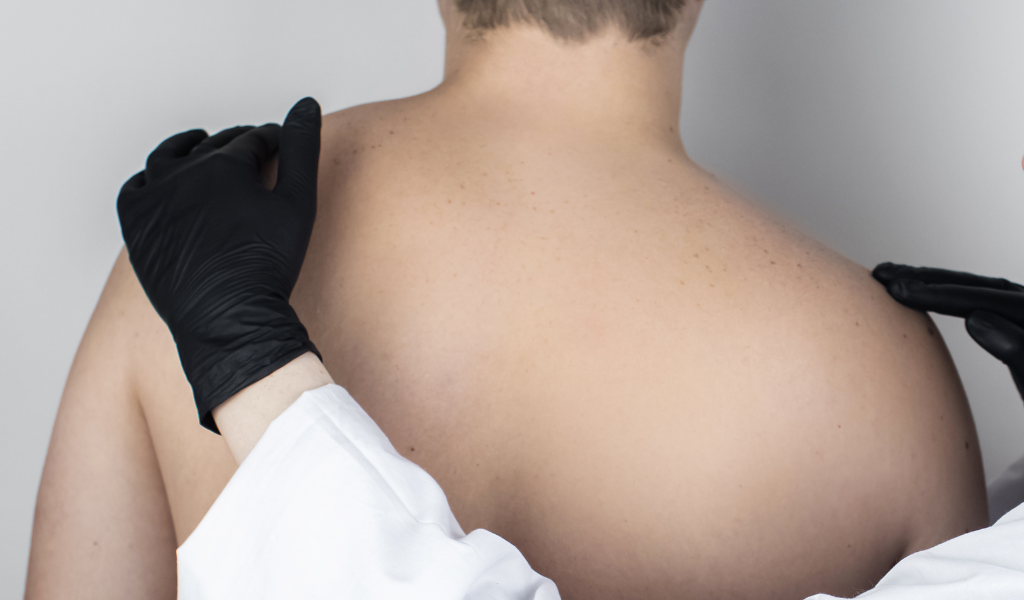
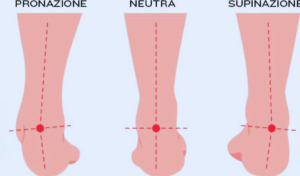
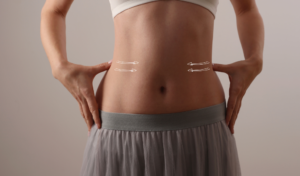 Postural asymmetry occurs when there are visible or measurable differences between the posture of one part of the body and another. These asymmetries can affect the shoulders, hips, spine, or other parts of the body. Asymmetrical posture can be due to a variety of factors, including postural habits, past injuries, muscle dysfunction, or structural problems.
 Postural asymmetries can have many different causes, including:
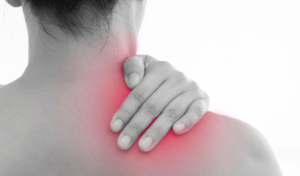 • Muscle pain, often in the lower back, neck and shoulders.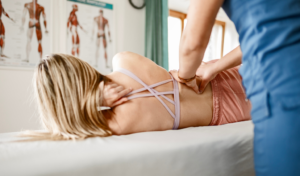
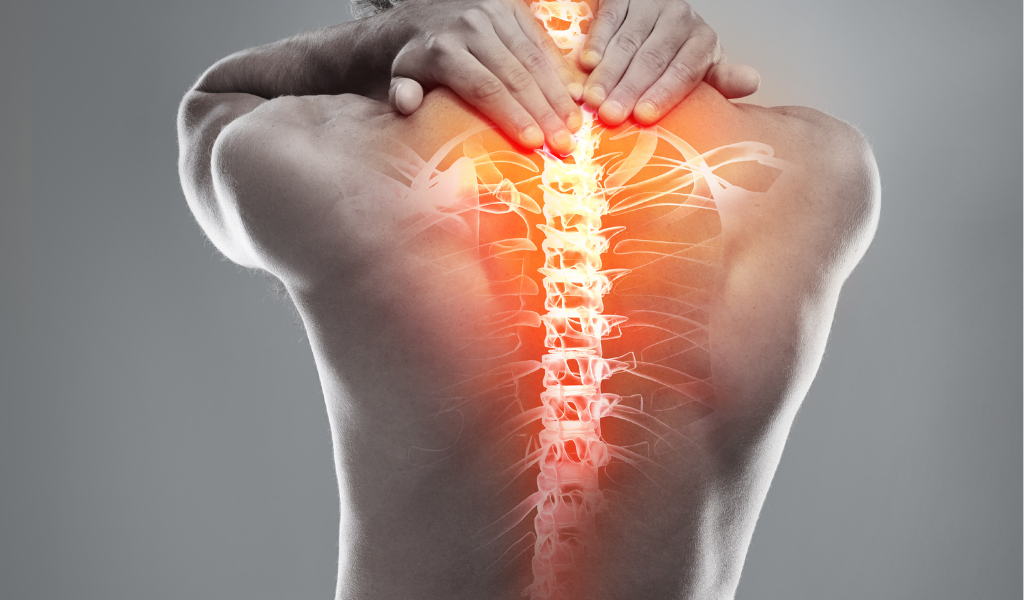
 Incorrect postureMaintaining poor posture during daily activities or at work can put pressure on your back.
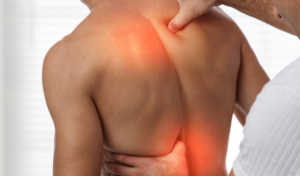
 • Localized or diffuse pain in the back.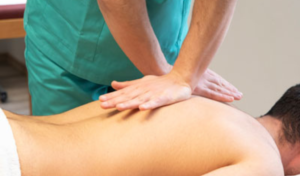
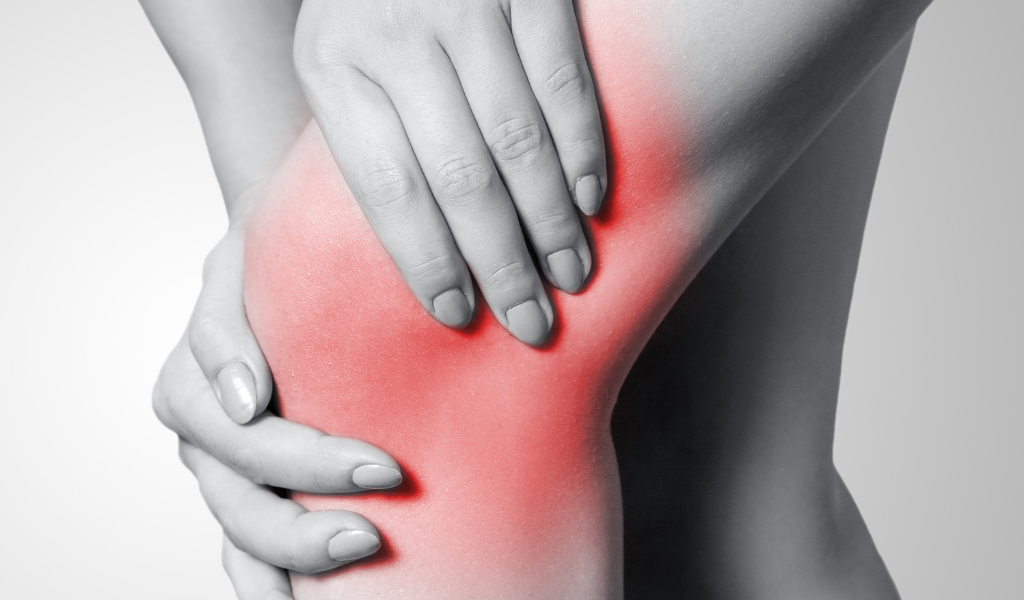
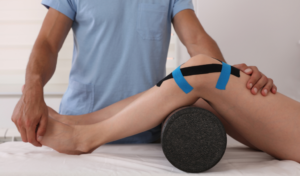
 Incorrect squat or deadliftPerforming exercises like squats or deadlifts with incorrect technique can put excessive pressure on the knee joints.
 Assess the injury: Identify the cause of the pain and develop a personalized treatment plan.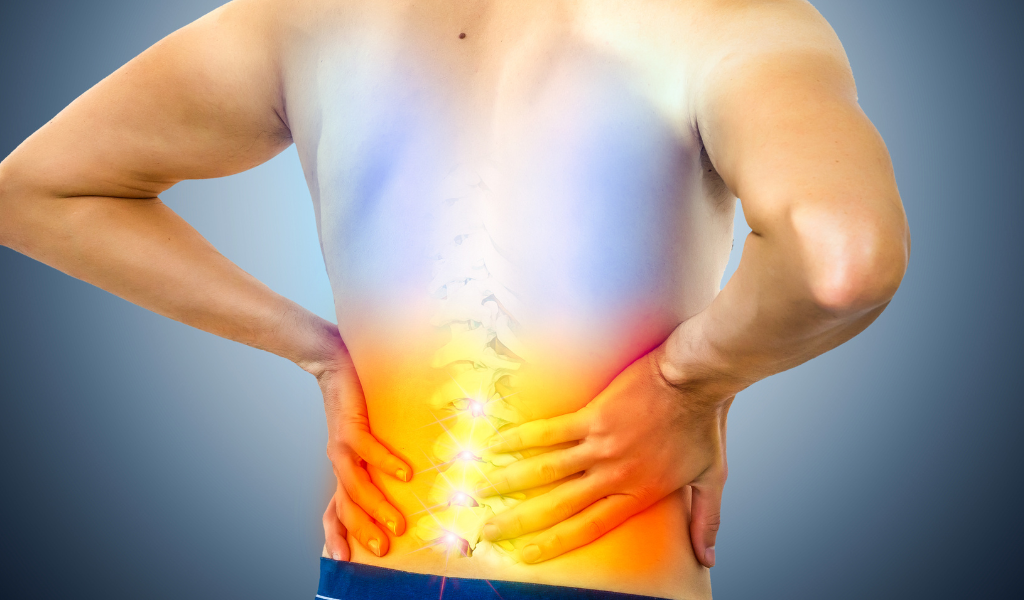
 Many researchers are studying low back pain and lumbosciatica, aiming to find a solution to the problem. Today, we have numerous physiotherapy tools that explain how rehabilitation can heal a back problem, but also how to maintain the benefits over time. In the future,
 will understand our problem and also find the solution. Today, for example, there are many spinal mobilization techniques that work even in the acute phase, and that can miraculously heal previously debilitating conditions or discomforts in a short time. This means that in the future we will have increasingly more options for addressing the problem conservatively, without the use of drugs or surgery. Therefore,
  Chronic pain of musculoskeletal origin undoubtedly requires specialized physiotherapy. The situation is different for chronic conditions whose pain originates from more central mechanisms, where the patient requires a multidisciplinary approach.
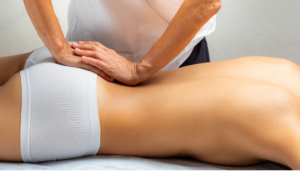 directly on the nerve and therefore on neurogenic symptoms. Today, we have many natural tools to treat lumbar spine disorders, often even more effective than those remedies that appear quick and effective.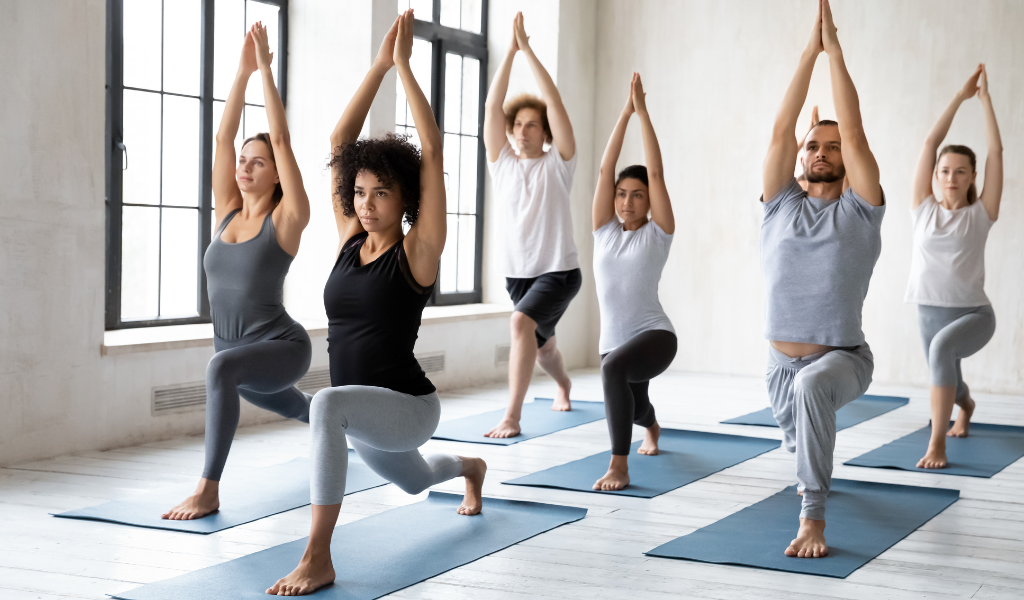
 In our daily lives, we're constantly subjected to excessively static postures due to work, long hours spent sitting, the weight of gravity, and physical strain. All of these factors lead to poor posture, with a hunched back, increased kyphosis, and a vertical position of the cervical or lumbar spine.
 Pilates, with its training method, has the ability to simultaneously strengthen and correct posture, working the back muscles with virtually no risk of injury. Once you follow the correct progression of exercises, your back will undoubtedly become stronger, and a strong back will consequently lead to better posture. Well-trained back and abdominal muscles will allow you to better support your entire torso, leading, class after class, to a naturally upright posture and consequently better posture.
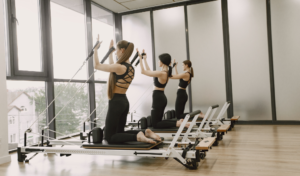 Pilates exercises can be performed free body on the mat with a Pilates matwork, but also with the help of a machine called Reformer This will increase the resistance profiles of the exercises. Furthermore, breathing during the class will further release tension accumulated throughout the day and improve muscle strengthening. Unlike other types of training, in Pilates, each exercise is repeated a few times and performed slowly and with great precision, focusing not on quantity but on the quality of movement.
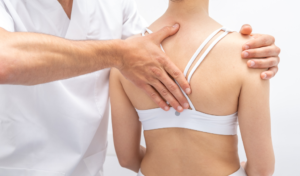 Posture, postural, or improving posture are often misused. In fact, many physiotherapists specialize in postural issues, despite having done other things in their careers. Without recognized medical qualifications, they create real confusion. Providing sound advice to your patients can be helpful in avoiding future problems and maintaining overall good health. All physiotherapists, at the beginning of their training, study what are known as anatomical points of the body. Using a plumb line, it is possible to identify landmarks on the various planes and axes. All this can be assessed through careful observation of the patient who comes to the office.
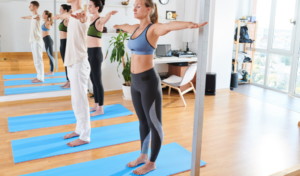 Humans love perfection, as Mother Nature intended, and so a body that moves in synergy and coordination could certainly be much more efficient than one that moves completely uncoordinated. If you lead a sedentary lifestyle with little exercise and therefore harmful behaviors, it would be helpful to minimize them as much as possible. Listen to your body and create a daily routine with some physical activity. If you feel it's appropriate, seek professional help, at least initially; they can correct what we call postural defects. Posture, however, isn't everything! Be careful when medical professionals describe your problem, pain, or defect as a consequence of your posture: everything must be proven, through tests and bodily signals; today we have the tools to understand.
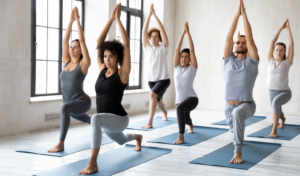 Investing time in posture and proper body use isn't a waste of time, and we can do it in countless ways, including with the help of a professional, who can address both the physical and psychological aspects. Start with very small steps and gradually progress to larger ones. My advice is to exercise in a group, but don't be afraid to do it alone; in fact, this can boost your self-esteem in the future. Find a group that does activities at your level, without any fear, but with the understanding that it's for your well-being and sometimes allows you to overcome unfounded fears and achieve greater self-awareness.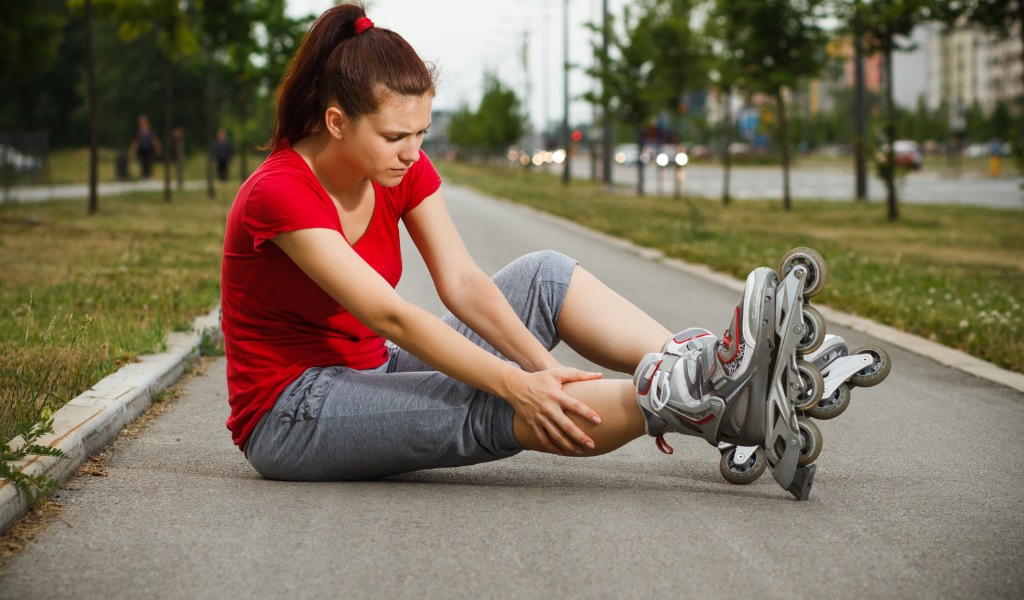
 pain and swelling? The use of ice creates many doubtsFor example, it has been shown that internal temperature does not change, so endogenous cold does not pass through. Prolonged use can lead to a loss of responsiveness at the receptor level, resulting in a structure less responsive to external stimuli.
 leaking after the injury. Swelling is one of the post-traumatic effects, and to promote venous return, we must implement easily reproducible practices.
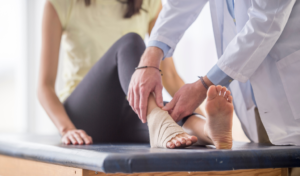 Make sure they are applied properly and sensibly. A poorly applied bandage can be worse than no bandage at all, so carefully examine the injury and assess the patient's needs.
 All these are important guidelines that we can recommend to the patient who has injured himself, but another highly recommended approach is to to be seen by a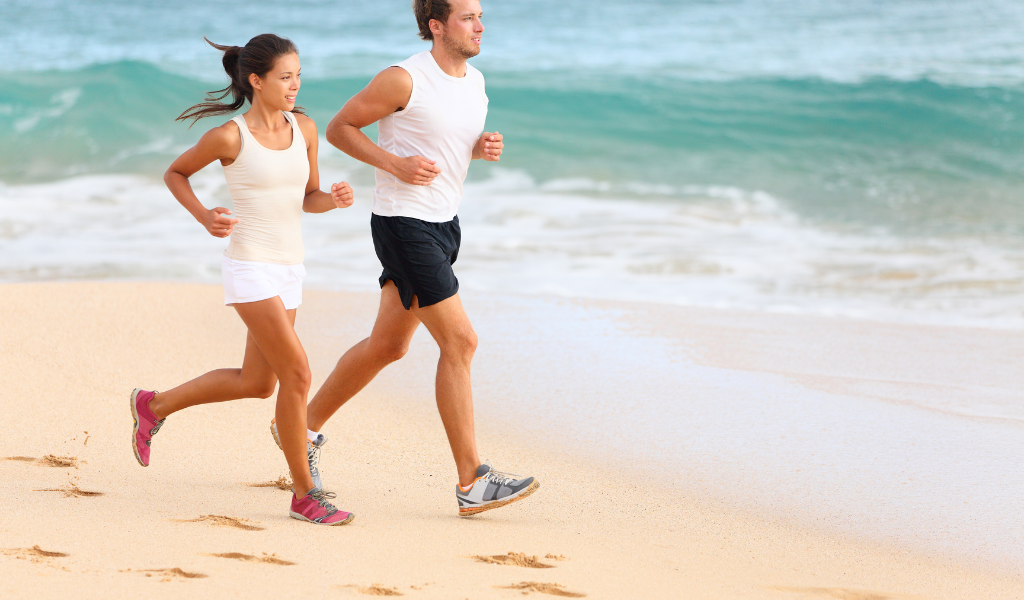
 The alternation of hot and cooler periods is unpredictable, although climate change is accustoming us to sudden changes even during the summer; one variable, for example, is the wind direction. When the wind blows from the north, we'll experience a period of dry heat, yet pleasant weather because it comes from cooler climates. When the wind blows from Africa, and therefore from the south, we struggle even to sleep, let alone exercise. But how can we manage this alternation of high temperatures and high humidity while still finding time to exercise?
 If we decide to run during the summer, we recommend running during the cooler hours, such as early morning or evening after 7:00 PM. If this is absolutely impossible because your only free time is your lunch break, we should choose a tree-lined route where the temperature is much lower than a scorching asphalt road. Remember to evaluate your starting condition: if you're untrained, over 70, overweight, or have cardiovascular problems, training outdoors in temperatures above 30 degrees is highly inadvisable. However, many people are accustomed to training and running even during the hottest hours of the day, but you should never improvise.
 The fundamental tips for training in the summer and in the heat are: leave the house during the coolest hours, choose a tree-lined path, wet your head and wrists with cold water, drink Drink plenty of water before and during training, have a good breakfast so you have the energy you need to face the physical effort, but the most sincere advice is not to overdo it, do progressive training, then gradually increase the difficulty and the time spent exposed to fatigue and sun. Real training should lead us to the goal of improving ourselves without exposing us to unnecessary risks to our health.