
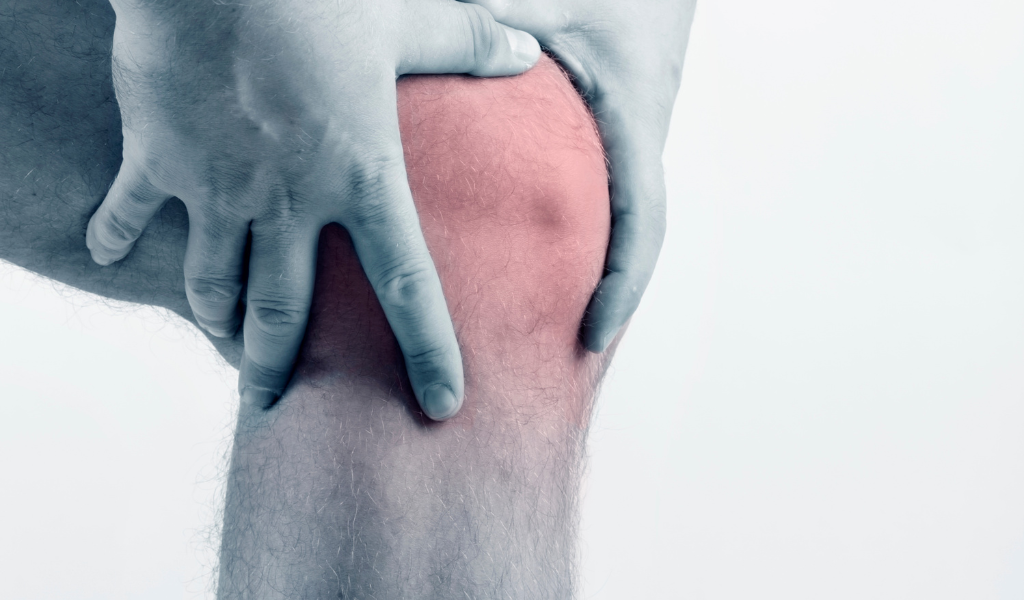
Regaining knee stability with physiotherapy
 The anterior cruciate ligament (ACL) is a fundamental part of the knee's anatomy, playing a crucial role in stabilizing the joint. However, ACL injuries can occur as a result of sports injuries, falls, or other accidents. The good news is that physical therapy can be a key element in the recovery process, helping patients regain knee function and return to daily activities and sports.
Importance of the anterior cruciate ligament (ACL)
 The ACL is one of the four main ligaments in the knee and its function is to prevent excessive anterior slippage of the tibia on the femur and to limit internal rotation of the tibia. It is responsible for preventing excessive movement between the tibia and femur. This ligament is particularly important for knee joint stability during activities that require changes of direction, such as in sports like soccer and skiing, where the knee is subjected to heavy stress. An ACL injury, in the acute phase, can cause instability, pain, and functional limitation of the joint, thus impairing the ability to participate in daily activities. However, the cruciate ligaments are not essential for proper gait; the truly important parameter is joint stability, which is essential during athletic activity.
Common causes of ACL injuries
 ACL injuries most often occur in sports situations involving strong twisting movements or sudden changes in direction. Sports injuries, such as soccer, basketball, and skiing, are often associated with ACL injuries. However, they can also occur in non-sports situations, such as falls or car accidents.
Rehabilitation phases following anterior cruciate ligament reconstruction
ACL rehabilitation is a complex process that requires time and commitment from the patient. Common rehabilitation phases include:
Reduction of pain, inflammation and swelling: after ACL surgery, swelling is often present, 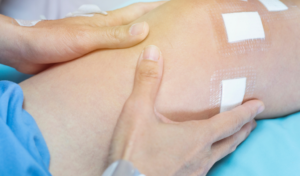 Redness, pain, and decreased range of motion. The physical therapist's initial goal is to reduce these common symptoms in the acute phase, restoring the patient to as normal a condition as possible. This process can sometimes take a month, partly because the initial phase is the most delicate for the patient, both emotionally and in terms of pain perception. The physical therapist can use swelling reduction techniques to improve the patient's comfort.
ROM Recovery(range of motion) joint, the range of motion: once the most difficult phase has been overcome, it will be necessary 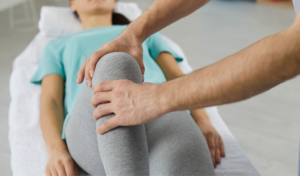 Recover full range of motion in the knee joint. Since the joint requires maximum range of motion to function properly, it is crucial not to leave it incomplete if you want to avoid future discomfort or problems. This second process requires an additional month. The patient will work with a physical therapist to restore full range of motion to the knee. This may include stretching and joint mobilization exercises.
Muscle strengthening: although muscle strengthening must begin from the first day after surgery, it will arrive on 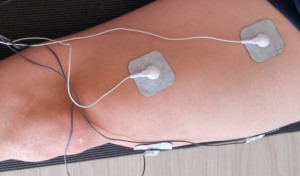 This is when you need to focus on strength. Following any surgical procedure, there is an immediate loss of weight and underlying muscle tone. Electrical stimulation and muscle recruitment must be performed from day one. Good exercise is like medicine: it soothes pain and reduces inflammation, as it stimulates catabolites, oxygenates the tissue through improved blood circulation, and consequently creates an immediate feeling of well-being in the patient.
The expression "it doesn't take much to feel good" can be applied to simple muscle contraction exercises that reduce pain. Therefore, once you reach the third phase of rehabilitation, you'll need to focus on strength and stability, maximally activating those weakened muscles, which are essential for a return to a sporty and active lifestyle. This process will take another month. Strengthening the muscles surrounding the knee is essential for restoring stability. Strengthening exercises will be an integral part of the rehabilitation program.
Return to functionality: the physiotherapist will guide the patient through specific exercises to improve stability and 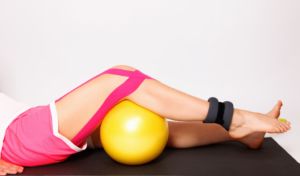 coordination, preparing him for the return to sports or daily activities (another month).
ACL rehabilitation requires patience and dedication, but the results can be very rewarding. Physical therapy is an essential part of this process, helping patients regain knee stability and live an active, healthy life.
Injury Prevention
Given the very high rate of recurrences on both the operated limb and the contralateral leg, it is essential to guide the patient towards continuous physical care for the following months. The total program should last between 6 and 9 months, starting with a physiotherapist and ending with specialized personnel, who must also understand the patient's needs and habits. It is obvious that a physiotherapist will require much more consistent support because they will be exposed to multiple stimuli, unlike those with a less dynamic routine. Preventing future injuries is an important aspect of ACL rehabilitation. The physiotherapist will provide advice on how to avoid similar injuries.
 In conclusion, recovery from an ACL injury requires a solid rehabilitation plan guided by an experienced physical therapist. Through targeted exercises and careful care, patients can return to enjoying the activities they love, minimizing the risk of future injuries. If you have suffered an ACL injury, consult a physiotherapist to begin the rehabilitation and recovery process.
Remember that every patient is unique, so it's important to work with a physical therapy professional to develop a personalized rehabilitation plan that fits your specific needs.


Via Donatello 75
00195 Rome
Tel. (+39) 06 39375719


Mon. – Fri. 8:00 – 20:00
Saturday 8:00 – 14:00

Via Donatello 75
00195 Rome
Tel. (+39) 06 39375719
Mon. – Fri. 8:00 – 20:00
Saturday 8:00 – 14:00


 The journey to a better version of yourself begins with an initial consultation. Your cosmetic surgeon is your trusted partner on this journey. Their experience and expertise are essential to understanding your desires and expectations. During this phase, you'll have the opportunity to openly discuss the changes you'd like to make to your appearance.
 Cosmetic surgery offers benefits that go beyond just physical appearance. One of the most significant benefits is improved mental health. Cosmetic procedures can boost self-esteem and self-confidence. Regaining good self-esteem can have a positive impact on your quality of life.
 There are numerous aesthetic procedures to choose from. Some of the most popular include facelifts, liposuction, and breast augmentations. These procedures have been refined over the years thanks to modern techniques that guarantee natural and long-lasting results.
 Self-esteem is a fundamental pillar of overall well-being. Your self-esteem impacts your mental health, your relationships, and your quality of life. Cosmetic surgery can be the step that helps you rediscover your self-esteem and live a happier, more fulfilling life.
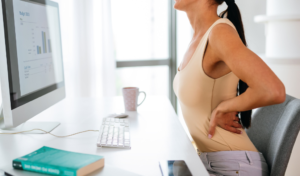 Correct posture is essential for the general well-being of our body. Poor posture can cause health problems, such as back pain, muscle tension, and joint problems.It also affects our confidence and projection into the environment. Postural Pilates is a highly effective method for improving posture. Through specific exercises, it helps strengthen postural muscles, increasing stability and body alignment.
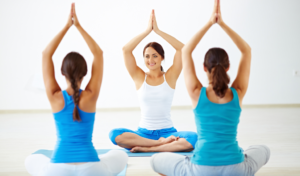 Postural Pilates offers a wide range of benefits. One of the main advantages is core strengthening, which includes the abdominal, lumbar, and pelvic muscles.This strengthening helps improve core stability and prevent back problems. Furthermore, postural Pilates promotes flexibility, improving the range of motion of the joints. This can help prevent injuries and improve coordination.
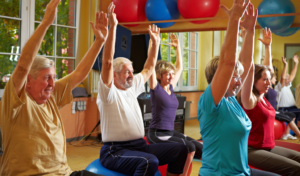 One of the most striking features of postural Pilates is that it is suitable for all ages and fitness levels. Regardless of your current physical condition, The training program can be customized to meet your specific needs. This makes postural Pilates accessible to everyone, from young to old, from beginners to experienced athletes.
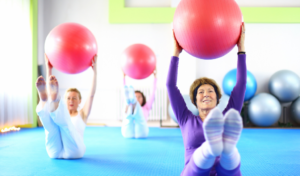 to autumn, offering a fresh start and motivation to adopt healthy habits. Cooler temperatures and shorter days can be an incentive to seek out indoor activities, and postural Pilates is an excellent choice.

 Aesthetic medicine is a rapidly growing field that focuses on the use of non-invasive or minimally invasive treatments To improve a person's physical appearance. This discipline has gained popularity in recent years due to its ability to deliver visible results with minimal recovery time. Aesthetic medicine can include a wide range of procedures, such as filler injections or laser treatments, the primary goal being to help people feel confident and satisfied with their appearance.
 Fillers, such as hyaluronic acid, are widely used to restore volume and reduce wrinkles. However, one of the latest innovations is personalized fillers, created specifically for each patient's needs. These targeted treatments offer natural and long-lasting results.
 Fractional radiofrequency is a treatment that uses radio waves to stimulate collagen production in the skin, improving its texture and reducing wrinkles. This technique is less invasive than traditional surgical procedures and is particularly popular for facial rejuvenation.


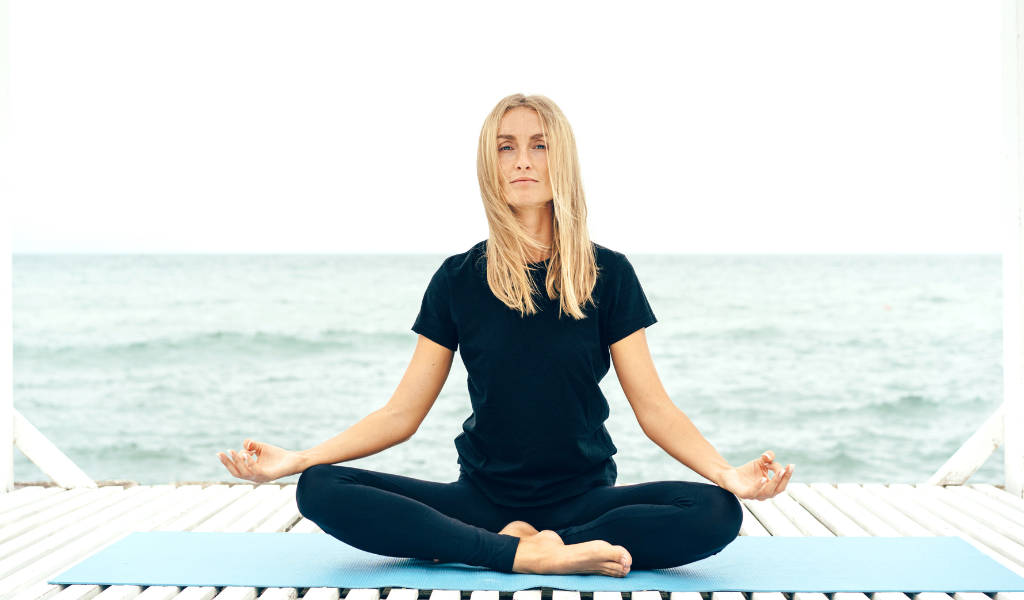
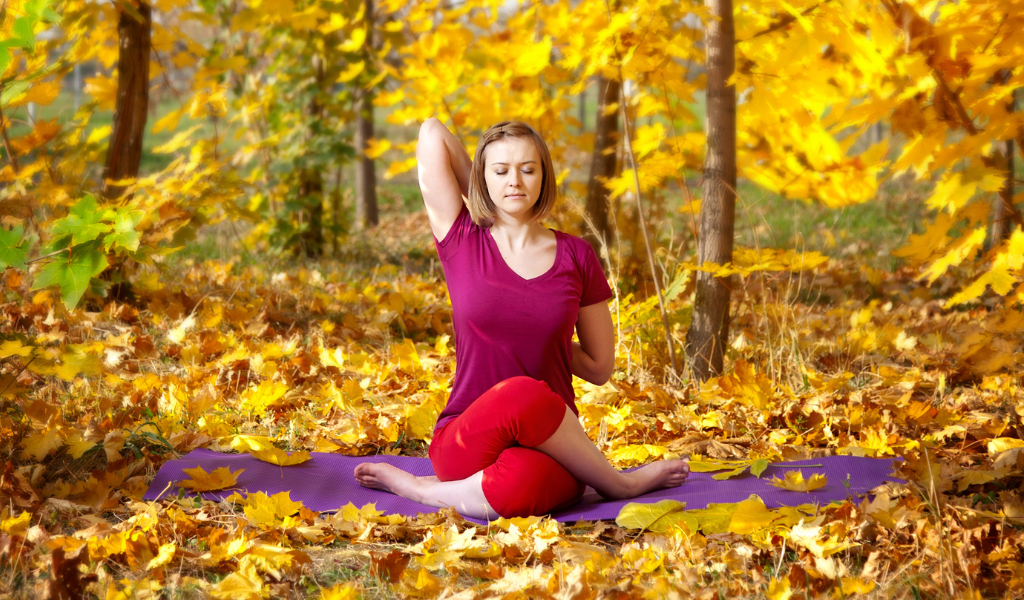
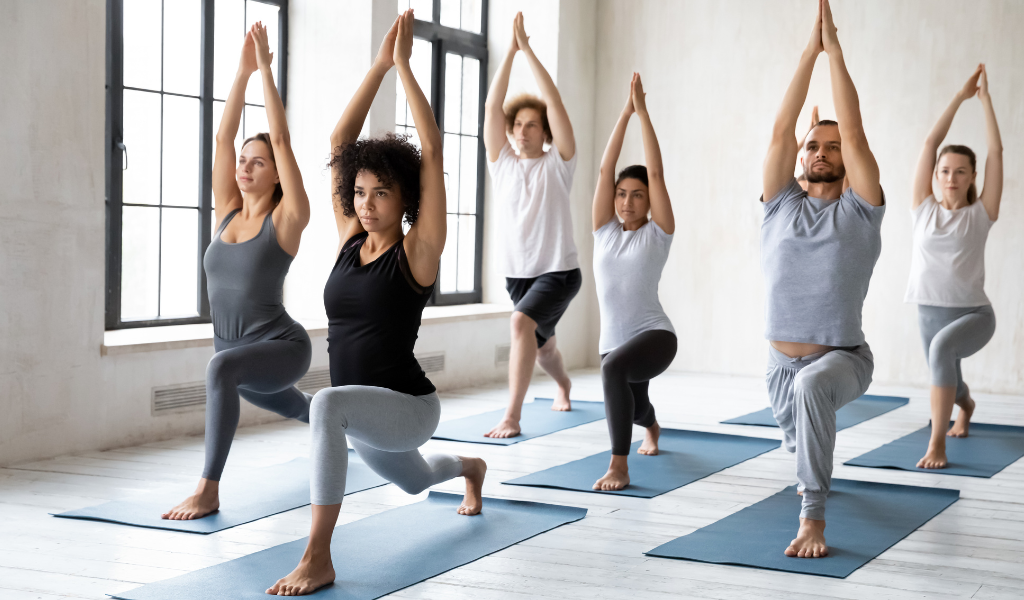
 Stress is a common problem in today's society and can significantly impact a person's health and well-being. Its impact extends far beyond the mental sphere, also affecting the body and the immune system. However, there are many strategies for managing stress, and one of the most effective is yoga. Yoga not only helps reduce stress, but also promotes relaxation and overall well-being.
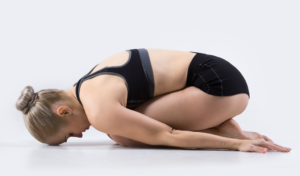 Child's pose (child's pose): This pose involves a gentle stretch of the back and helps relax the lower back muscles.
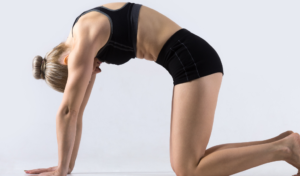 Cat-cow pose (Cat-Cow Pose): This fluid movement helps release tension in the spine and relaxes the upper body.
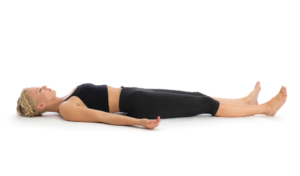 Savasana (corpse position): a position of total relaxation, ideal for restoring calm and mental clarity.
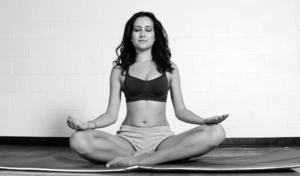 4-7-8 Breathing TechniqueInhale for 4 seconds, hold for 7 seconds, and exhale for 8 seconds. This breathing exercise has been shown to reduce anxiety.
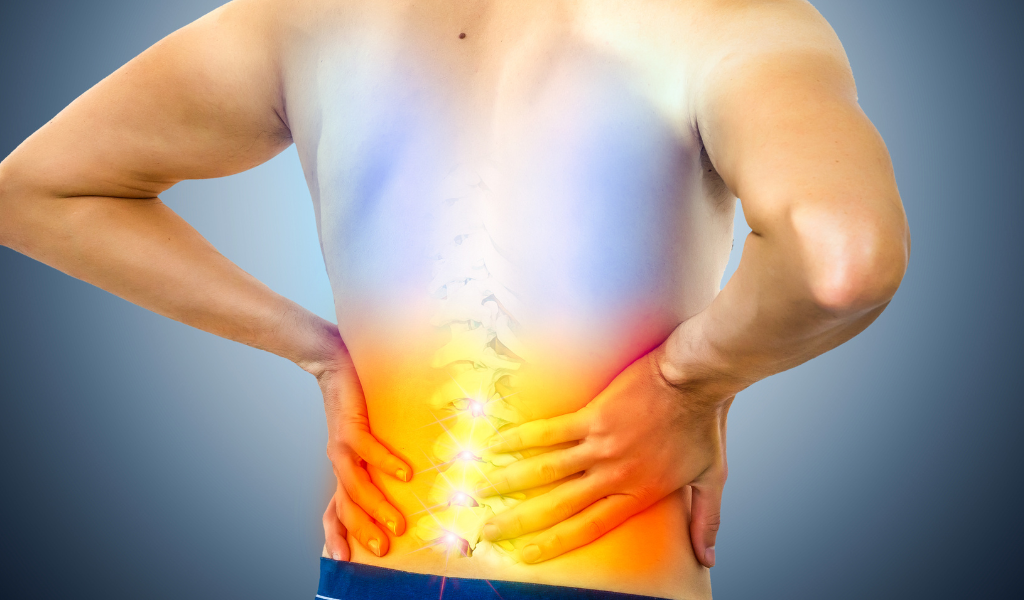
 Many researchers are studying low back pain and lumbosciatica, aiming to find a solution to the problem. Today, we have numerous physiotherapy tools that explain how rehabilitation can heal a back problem, but also how to maintain the benefits over time. In the future,
 will understand our problem and also find the solution. Today, for example, there are many spinal mobilization techniques that work even in the acute phase, and that can miraculously heal previously debilitating conditions or discomforts in a short time. This means that in the future we will have increasingly more options for addressing the problem conservatively, without the use of drugs or surgery. Therefore,
 Chronic pain of musculoskeletal origin undoubtedly requires specialized physiotherapy. The situation is different for chronic conditions whose pain originates from more central mechanisms, where the patient requires a multidisciplinary approach.
 directly on the nerve and therefore on neurogenic symptoms. Today, we have many natural tools to treat lumbar spine disorders, often even more effective than those remedies that appear quick and effective.
 In our daily lives, we're constantly subjected to excessively static postures due to work, long hours spent sitting, the weight of gravity, and physical strain. All of these factors lead to poor posture, with a hunched back, increased kyphosis, and a vertical position of the cervical or lumbar spine.
 Pilates, with its training method, has the ability to simultaneously strengthen and correct posture, working the back muscles with virtually no risk of injury. Once you follow the correct progression of exercises, your back will undoubtedly become stronger, and a strong back will consequently lead to better posture. Well-trained back and abdominal muscles will allow you to better support your entire torso, leading, class after class, to a naturally upright posture and consequently better posture.
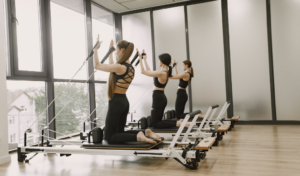 Pilates exercises can be performed free body on the mat with a Pilates matwork, but also with the help of a machine called Reformer This will increase the resistance profiles of the exercises. Furthermore, breathing during the class will further release tension accumulated throughout the day and improve muscle strengthening. Unlike other types of training, in Pilates, each exercise is repeated a few times and performed slowly and with great precision, focusing not on quantity but on the quality of movement.
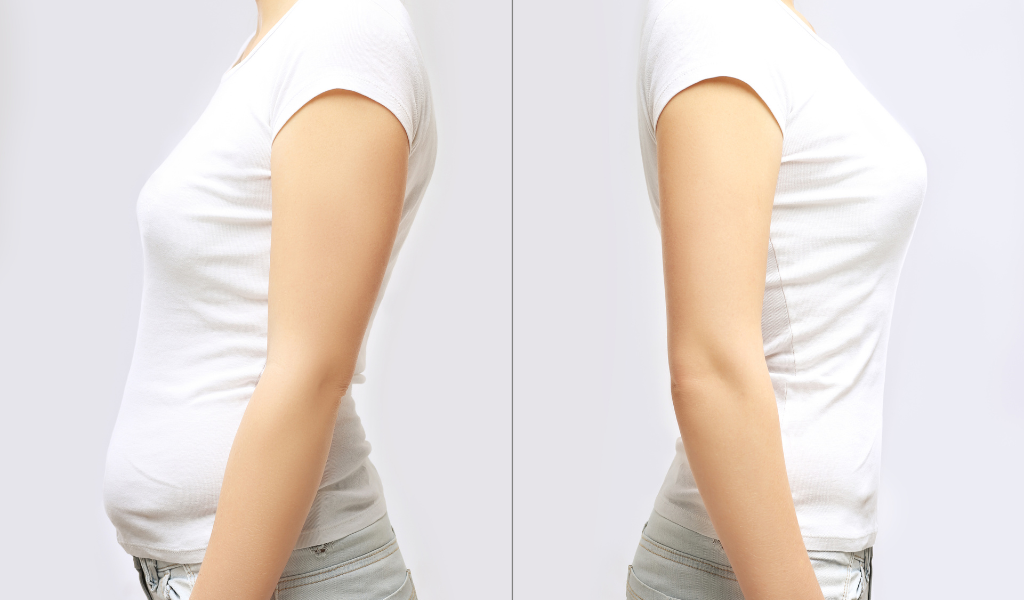
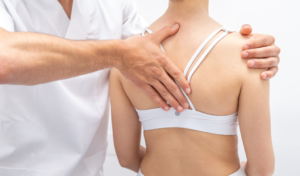 Posture, postural, or improving posture are often misused. In fact, many physiotherapists specialize in postural issues, despite having done other things in their careers. Without recognized medical qualifications, they create real confusion. Providing sound advice to your patients can be helpful in avoiding future problems and maintaining overall good health. All physiotherapists, at the beginning of their training, study what are known as anatomical points of the body. Using a plumb line, it is possible to identify landmarks on the various planes and axes. All this can be assessed through careful observation of the patient who comes to the office.
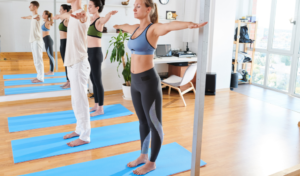 Humans love perfection, as Mother Nature intended, and so a body that moves in synergy and coordination could certainly be much more efficient than one that moves completely uncoordinated. If you lead a sedentary lifestyle with little exercise and therefore harmful behaviors, it would be helpful to minimize them as much as possible. Listen to your body and create a daily routine with some physical activity. If you feel it's appropriate, seek professional help, at least initially; they can correct what we call postural defects. Posture, however, isn't everything! Be careful when medical professionals describe your problem, pain, or defect as a consequence of your posture: everything must be proven, through tests and bodily signals; today we have the tools to understand.
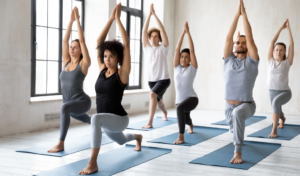 Investing time in posture and proper body use isn't a waste of time, and we can do it in countless ways, including with the help of a professional, who can address both the physical and psychological aspects. Start with very small steps and gradually progress to larger ones. My advice is to exercise in a group, but don't be afraid to do it alone; in fact, this can boost your self-esteem in the future. Find a group that does activities at your level, without any fear, but with the understanding that it's for your well-being and sometimes allows you to overcome unfounded fears and achieve greater self-awareness.
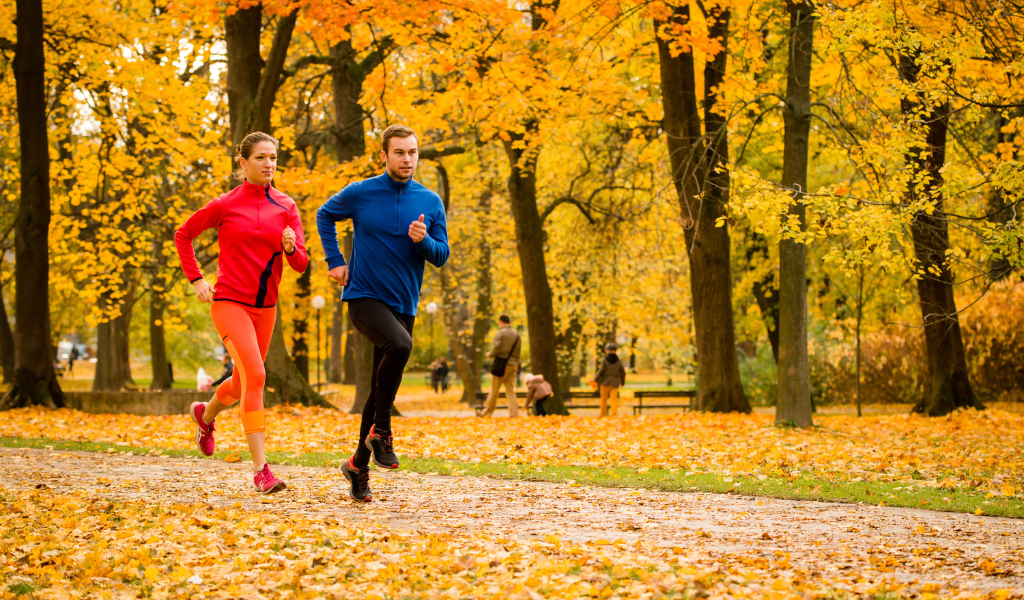
 First of all, always cover up before going out, because sweating in summer is normal, as temperatures remain high well into the evening. Autumn is a different story, with its colder temperatures, which are therefore also dangerous for our health. Clothing is the first precaution to take. Dress in layers and use a raincoat that protects us from humidity and temperature changes, which are terrible for exposed body parts. It's no coincidence that most flu cases begin during this time of year, when, among other things, the flu vaccine is highly recommended for those over 60. Once we've sorted out our clothing, let's move on to the active phase.
 Always considering your starting situation and the training goal, dedicate 10 minutes to warming up, for example, with a brisk jog at a steady pace and low frequency. If you play sports that use the upper limbs, dedicate another 5 minutes to warming up your upper body, for example, using low-resistance bands with repeated movements in extra rotation. In short, always consider what you'll be doing, whether you play paddle tennis or plan on playing five-a-side football.
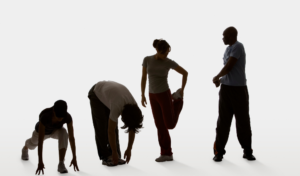 Demonstrate the effectiveness of stretching. By empirical logic, having mobile and elastic joints allows the body to move more easily and therefore to experience fewer problems during sports. You'll get a feeling of lightness instead of total stiffness. In short, after those canonical 10-minute warm-up, move on to joint mobility (stretching).
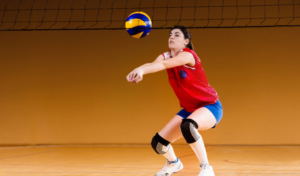 What constitutes "good posture" and "good athletic movement." If we're career lawyers and have therefore dedicated our lives to studying, it doesn't mean we'll forever be forced to have poor posture. Not necessarily! However, we'll definitely have to work hard at it, and it will require a lot of dedication. So work on your posture, take professional athletes as an example, and sometimes spend time and money with qualified people who can teach you basic posture for your favorite sport. Never improvise; always follow the advice of experts.
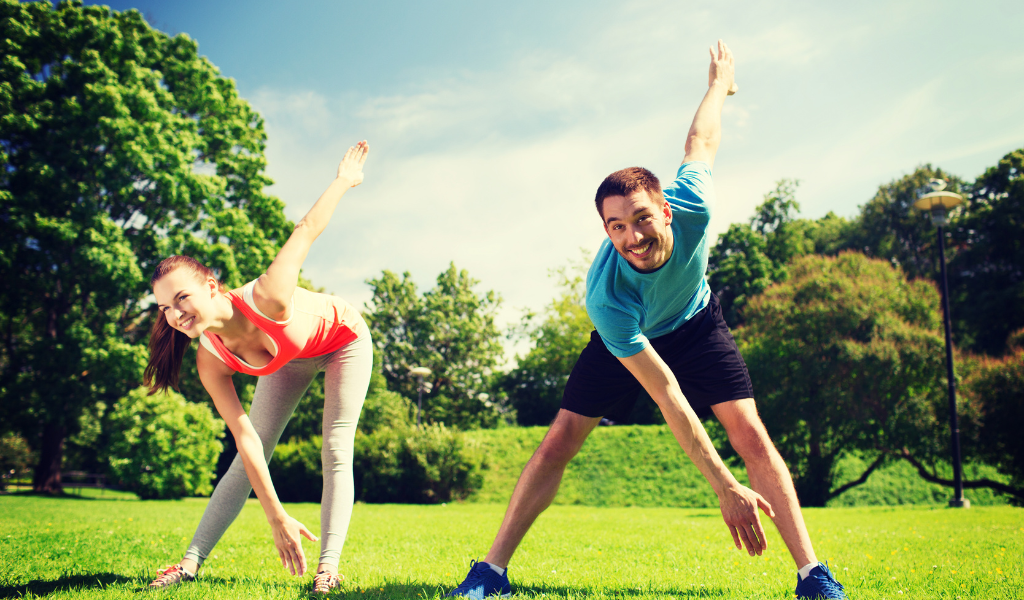
 The importance of a good warm-up before physical activity is fundamental for professional athletes, but also for those who practice sports at an amateur level.
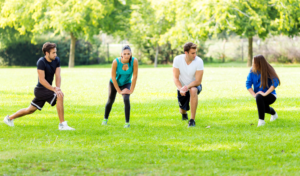 So with the warm-up, lasting 5/10 minutes, you can get these benefits:
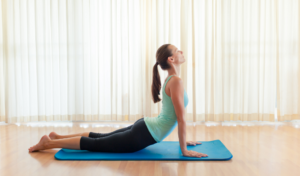 Once you've finished exercising, it's important not to neglect stretching exercises to avoid unpleasant injuries and contractures. Stretching exercises improve circulation, improve breathing, and reduce feelings of fatigue. Above all, they induce a state of physical and mental relaxation.