
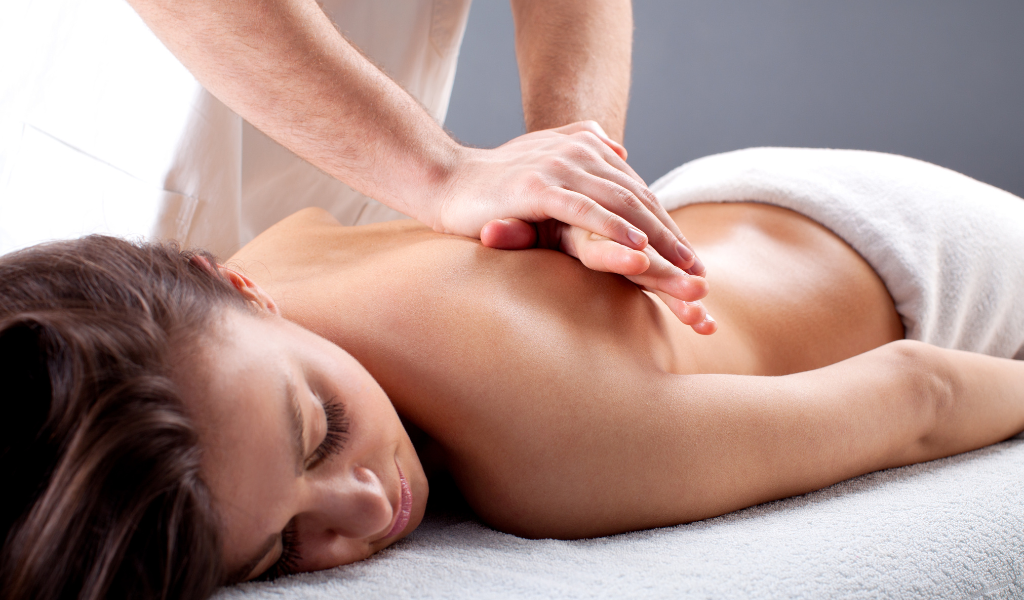
An in-depth look at the origins, techniques, and benefits of one of the most popular practices for relaxation and body vitality.
Among the numerous manual approaches dedicated to body care, the Swedish massage It has long occupied a prominent position. Not only for its effectiveness, but also for its ability to combine simplicity and depth: a rare balance, which makes it suitable both for those who are approaching massage for the first time and for those looking for a constant and targeted treatment for keep the body healthy over time.
In areas like Flaminio, North Rome, more and more people are rediscovering this treatment as an integral part of a lifestyle oriented towards authentic well-being, free from excess but attentive to quality.

Origins and philosophy of Swedish massage
Developed in the 19th century by Swedish physician Per Henrik Ling, Swedish massage is based on a series of structured manual maneuvers, designed to stimulate the muscles, improve circulation and promote deep relaxation. Unlike more energetic or oriental techniques, this European approach aims to physical and nervous rebalancing, through measured, progressive gestures that respect individual rhythms.

How does a session take place?
A typical Swedish massage session lasts between 40 and 60 minutesThe therapist works on the whole body, or on targeted areas (shoulders, back, legs), using:
-
Slow and relaxing touches (effleurage)
-
Deeper kneading (petrissage)
-
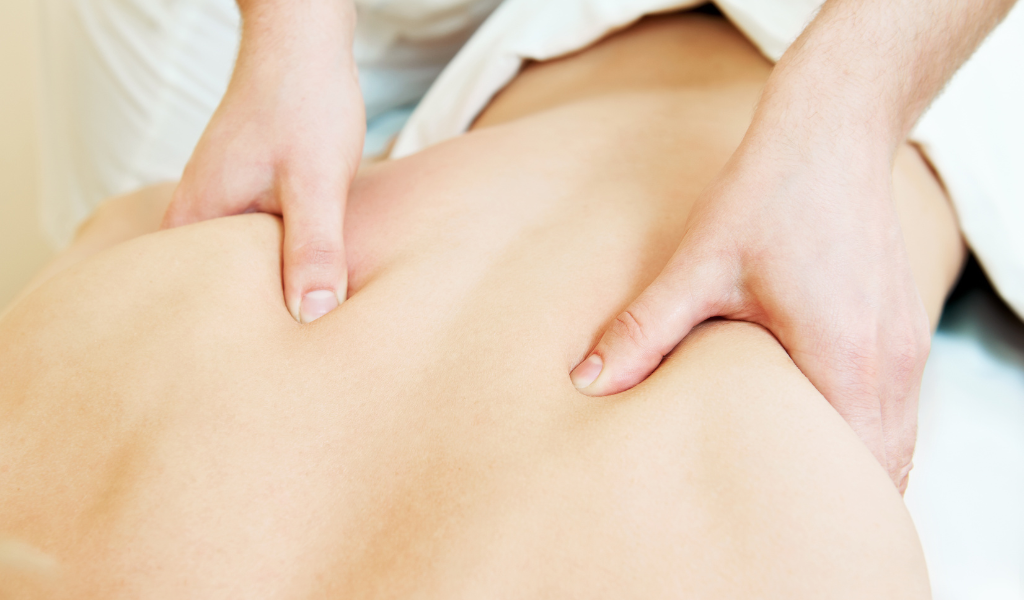
Pressure and friction to release localized tension
-
Light percussion and vibrations to tone
The pace and intensity vary according to the person's needs, physical condition, and the goals of the session.
Benefits beyond relaxation
Swedish massage is known for its relaxing qualities, but it also offers functional benefits interesting, especially when integrated into a regular wellness routine:
-
Improve the lymphatic and venous circulation
-
Relieves muscle tension due to prolonged postures or stress
-
It promotes the body awareness and the deep breath
-
It helps to regulate the sleep-wake rhythm
-
It can help to counteract mental fatigue, often linked to emotional or cognitive overload
In some phases of life, when you perceive changes in the body or energy level, this type of treatment can represent a valid non-invasive support.

A gesture of care that goes beyond the surface
Swedish massage is not only a pleasant break, but it can become a conscious practice of listening to the bodyIn an era where it is easy to fall into quick or poorly personalized solutions, its effectiveness lies precisely in the slowness and precision of human contact.
Those who live in areas like Flaminio, Parioli, Prati or other areas of Northern Rome, often looking for places and treatments that combine professionalism, a private environment and continuity over timeIn this sense, Swedish massage fits naturally into a routine of attention, prevention, and sustainable well-being.
Contraindications: when it is best to avoid it
Although it is a gentle technique, Swedish massage requires some precautions. It is not recommended for:
-
acute febrile or inflammatory states
-
unmonitored vascular fragility
-
infectious skin diseases
-
some serious cardiovascular conditions
In case of doubts or chronic pathologies, a medical consultation is always recommended before treatment.
A practice that spans time
From 19th-century Scandinavian clinics to modern treatment rooms in urban settings like Rome, Swedish massage has survived the centuries without losing its effectiveness. In an age where self-care is increasingly a conscious choice, this technique still represents today one of the simplest and most intelligent forms of listening to the body.



Via Donatello 75
00195 Rome
Tel. (+39) 06 39375719


Mon. – Fri. 8:00 – 20:00
Saturday 8:00 – 14:00

Via Donatello 75
00195 Rome
Tel. (+39) 06 39375719
Mon. – Fri. 8:00 – 20:00
Saturday 8:00 – 14:00


 There
There  Let's not forget all the other functions massage therapy can have and what it can encompass. For example, the lymphatic system is a body system that benefits from this treatment.
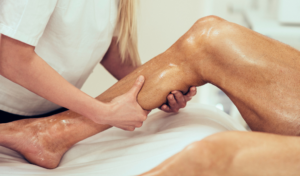 The athletes for example they often need a cycle of massage therapy, in fact in agreement with the therapist, some treatments are performed activating massages, so fast, before a competition or myo-relaxants (slow), following a race or sporting activity, to reduce muscle tension or discomfort.