COVID-19

March 10, 2020, a date forever etched in our memories: Covid-19 entered our homes, causing significant repercussions on our lives and habits. It was an unprecedented time of fear and uncertainty; humanity was completely unprepared to face such a pandemic.
Anxiety and fears
 We were forced to stay indoors to prevent the spread of the virus, creating anxiety and fear in many people, and avoiding all social contact. There was a sense of impending doom. Leaving the house had become difficult, shopping for groceries created a mix of anxiety and relaxation along those endless lines, and buying the necessities seemed indispensable to get through the days at home. Somehow, society responded, dictating both life and work rules.
Smart working
 Indeed, although it was already a widespread practice in some companies, working from home was an integral part of that historical period. Hours and hours spent at home working in front of the computer, without having had the time to transform our homes into offices. Kitchen chairs and tables were converted into work tools because humanity cannot stop, even in the face of disaster or war. Our instinct is to keep going, and society will increasingly push us to do so.
Psychophysical discomfort
 All of this creates enormous feelings of stress; the Covid-19 pandemic itself has made us more uncertain about the future. Hours and hours of working from home, fixated on the future, sitting on a couch or in bed. Your boss calls and emails you as if they'd never looked out the window: the important thing is the business, even in these situations, and the context becomes less relevant.
So, as we know, at the end of the lockdown, many people were left suffering from various aches and pains or feelings of physical discomfort, which required the intervention of specialists such as physiotherapists, manual therapists, and psychologists.
Negative aspects of smart working
 Researchers have observed a significant increase in back pain after working for days at home. This can only be explained by looking at things from a holistic perspective on medicine and health, which considers multiple aspects of the problem. Humans are greatly influenced by their environment. Stress, fear, anxiety, prolonged incorrect postures, and furniture used as workstations are all factors that can lead a person to suffer from specific pain, which can worsen and become debilitating.
Incorrect posture
 Many patients think they can work for hours on end on chairs that are typically used in the dining room: rigid, small, with low backs and often unsuitable for the table, which is either too high or too low.
Therefore, when working from home, it becomes essential to consider the height of the table, to find a position that does not force the body to bend forward, thus avoiding prolonged joint stress over time.
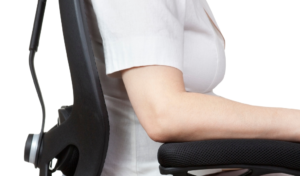 It's also very important to sit in a comfortable, soft chair with a high backrest that can rest your back during breaks or that can help maintain correct posture, preventing strain on other musculoskeletal structures.
During the initial assessment, patients may mention working remotely, even sitting or lying on the sofa or bed, which appears comfortable and pleasant, but which can be very dangerous for their back health if continued over time.
Positive aspects of smart working
 However, it's also important to consider the positives, not just the negatives, of working remotely: for example, avoiding traffic, setting your alarm later, or staying in a comfortable environment. Families themselves have been able to spend more time together thanks to smart working.
But think about what would happen if work were completely structured from home! People would become socially isolated, and relationships with colleagues would be rarer. Perhaps a middle ground would be the best option, allowing workers to better organize their time and tasks during the week.
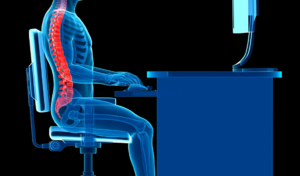
Therefore, it's important to organize your work from home so as to maintain proper posture, also to avoid back pain and discomfort and prevent harmful consequences. The body is fragile, and we must protect it from all external forces, both physical and emotional, that undermine our balance and, therefore, our well-being.
In conclusion, smart working today makes us reflect on what the future of work could be. We must therefore understand and share with our patients the best advice for performing it correctly, in order to prevent any future pain and discomfort.



 -Importance of a good warm-up: warming up serves to raise body temperature, thus improving the FLUIDITY of the blood and promoting the OXYGENATION of the muscles in order to avoid contractures, strains or tears.



 Summer is a season when many people engage in outdoor sports, such as swimming, running, cycling, and soccer. During this time, it's even more important to eat properly and maintain adequate hydration, as the thermal and physical stress our bodies are subjected to during physical activity is significantly greater.
 Maintaining adequate hydration is essential for athletic performance and, in general, for overall health. During the summer, due to high temperatures, the body loses more fluids through sweating. Dehydration can lead to decreased physical performance, energy drops, excessive fatigue, and muscle cramps. Therefore, maintaining adequate fluid balance is essential.







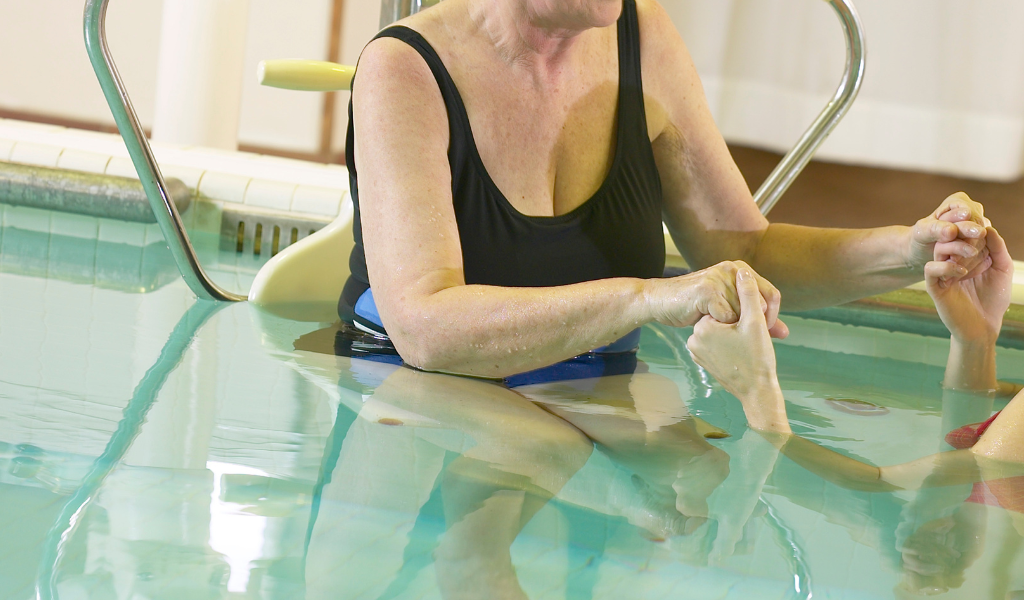
 Since there is no gravity in water, we don't perceive our body weight. Therefore, patients with functional limitations, obesity, or simply advanced age will be able to feel more independent in an environment like a pool or the sea. In fact, in water, we perceive that some seemingly difficult movements can become easier, thanks in part to the buoyancy that will lift us upward.
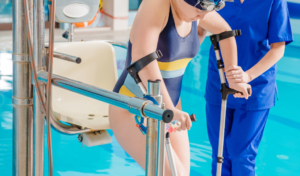 Water's resistance can be exploited to create and invent a variety of exercises aimed at strengthening muscles. For example, following lower limb surgery, patients lose their independence and the ability to walk, so water can be an excellent tool for re-educating patients to return to this physiological activity. The important message is not to recommend aquatic physiotherapy as a fundamental part of the rehabilitation process; rather, we must be aware that, as terrestrial animals, accustomed to gravity, we need to rehabilitate in our natural habitat.
 The sun is our friend, but it can sometimes betray us. We must learn to know it and relate to it correctly.
 All of these conditions can obviously be prevented with the right precautions. First and foremost, it's essential to avoid sun exposure during the hottest hours of the day (from 12:00 PM to 3:00 PM). It's also important to properly apply sunscreen, using high-quality products with an SPF of at least 50+. After the beach, it's important to moisturize skin stressed by the sun's rays with after-sun moisturizers.
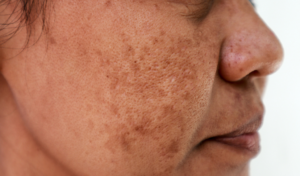 Solar radiation also causes numerous aesthetic disorders such as annoying sunspots or actinic spots. They arise after prolonged and repeated exposure to the sun without adequate protection and their treatment is based on chemical peels or
 In water, our body weight becomes zero, and due to the buoyancy, it's easier to ignore our weight. However, this depends on the depth of the water covering our body. The more surface area of our body is immersed in water, the more resistance we'll encounter, which can be used to train our cardiovascular and musculoskeletal systems.
 However, water therapy is often recommended for conditions such as disc disease and lumbago without having carried out a sufficient assessment.
 Swimming or walking in water aims to strengthen muscles, useful for example for the knee joint, doing physical activity to help the cardiocirculatory rhythm, and doing physical exercise useful for general health, but certainly cannot have the aim of reducing back pain.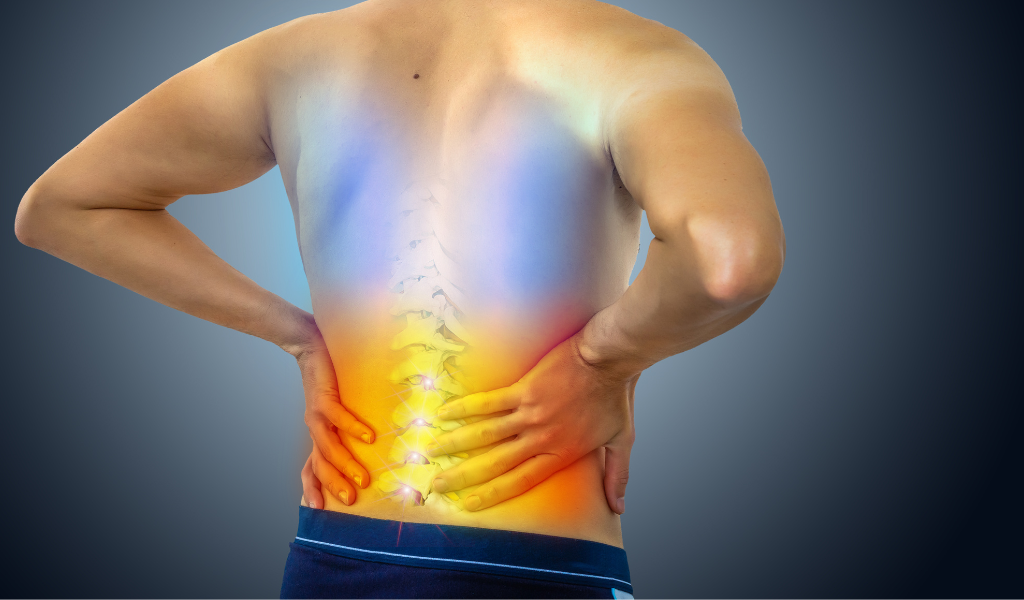
 Water is an extraordinary element, with multiple positive effects, and is often used in rehabilitation and orthopedic practices through hydrokinesitherapy. In a pool or in the sea, our body's actual weight is eliminated because gravity is absent. This phenomenon eliminates the load on the joints. By following this principle, reducing the load and stress, patients with back pain will be free of negative stimuli that could worsen the symptom.
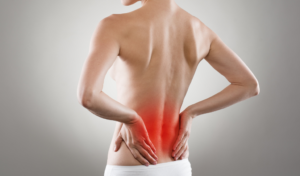 One of the most common causes of lumbago Discogenic pain, caused by the intervertebral disc, is a spinal problem that can lead to multiple consequences. Several observational studies are unclear as to whether unloading or loading the disc is more appropriate, but they do provide some very interesting answers.
 A very interesting study conducted by Treffel Loïc et al. evaluated the consequences of weightlessness for astronauts. It was observed that upon their return from space missions, numerous astronauts had developed symptoms of back pain (LBP), and many had also developed herniated discs. It is therefore fair to ask how much weightlessness (and therefore the absence of stimuli to the spine) may have played a key role in the onset of herniated discs or low back pain.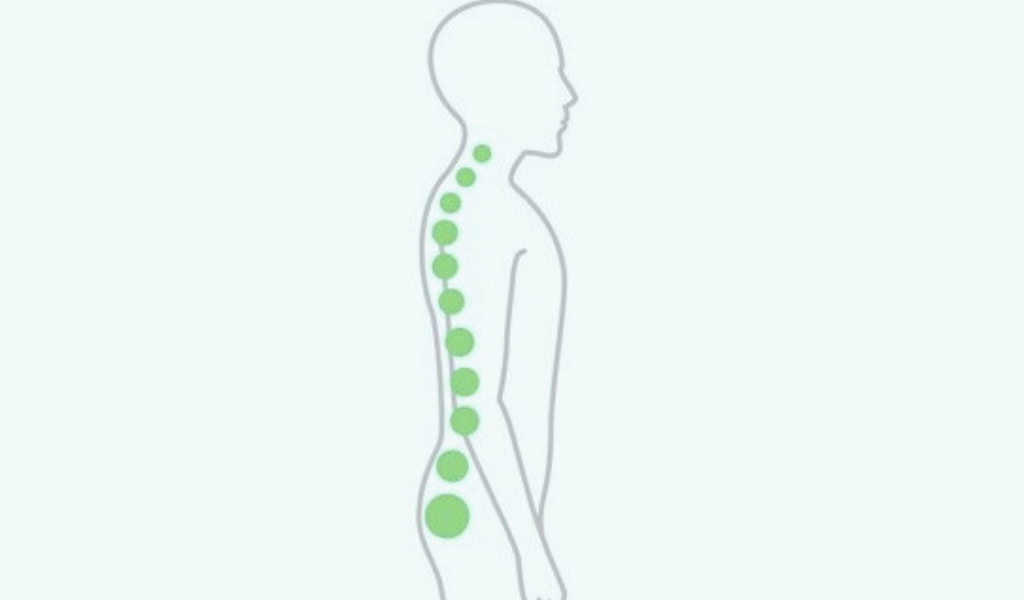
 Two types of posture can be defined:
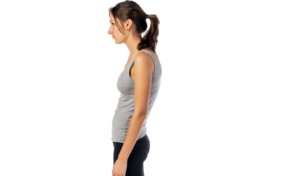 A key point is the relationship between psychology and posture.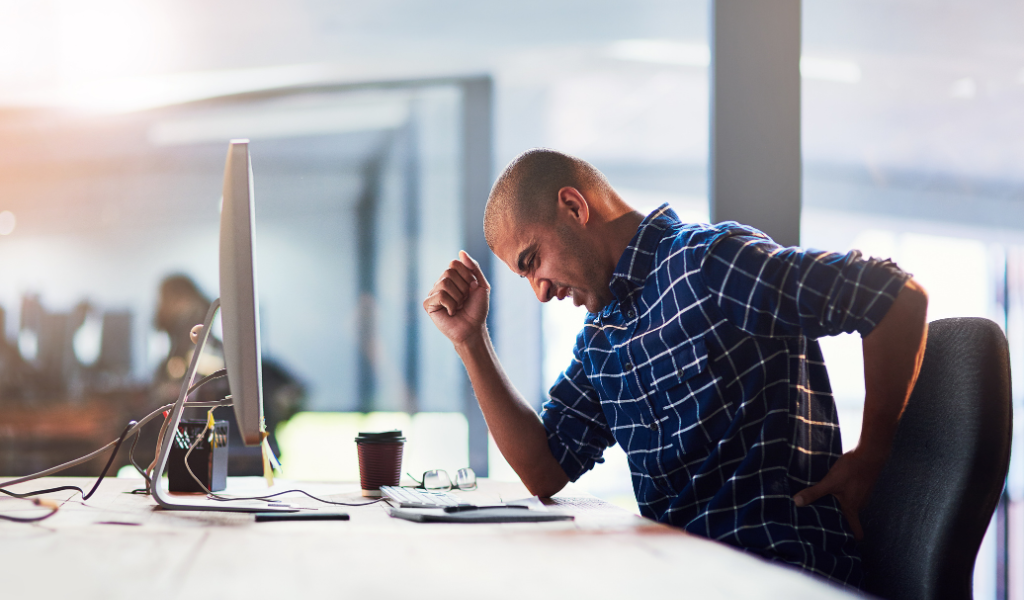
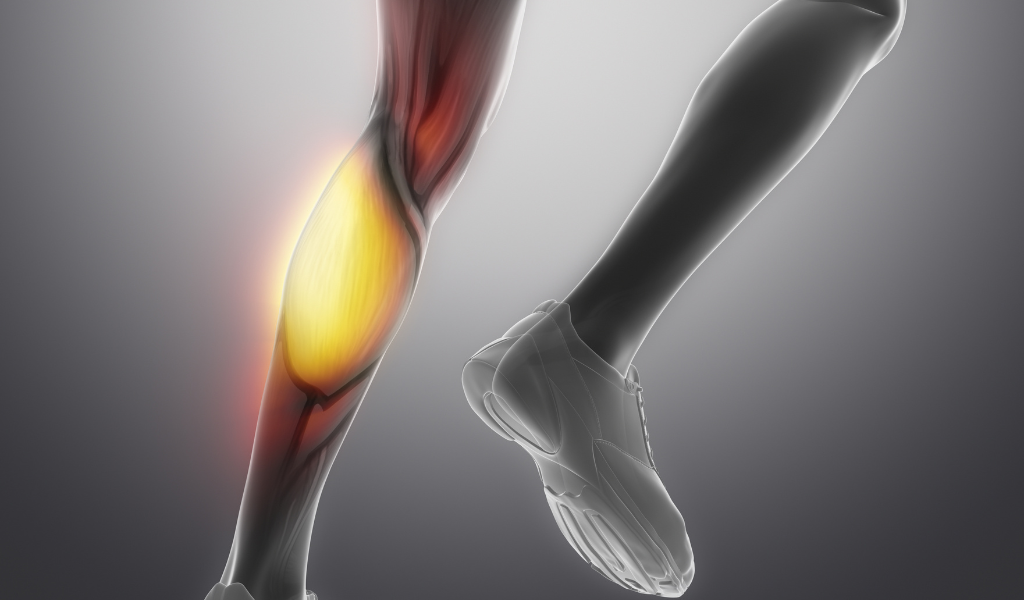
 Pain is a mechanism of the human body that is still extensively studied and not fully understood, and for this reason it deserves our attention. Pain is not a symptom, but an unpleasant experience of our body.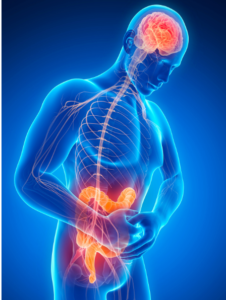
 The surfer reported never having felt pain, neither during the shark attack nor afterward in the hospital. This explains how the processing of painful information was individual. Probably because, in shock, the person did not focus on the pain, but on other sensations unknown to us. We are still talking about rare, but real, events. Another, more common example is phantom limb disease, where the patient reports pain in an area of the body that is no longer present, as in war veterans and children who lost their legs to landmines. These patients report precise and tangible pain, for example, describing in detail the sensation in their fingers even though they no longer have the anatomical structure that connects them to the painful sensation.
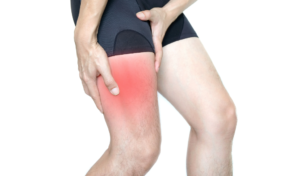 Even in athletes, pain is associated with tissue damage, as if it were a simple and precise equation. However, we often have patients complaining of muscle pain, who, diagnostically, appear to be "as fit as a fiddle." The patient expects us to provide a clear and specific explanation of the problem, when in reality we can simply offer a series of hypotheses.
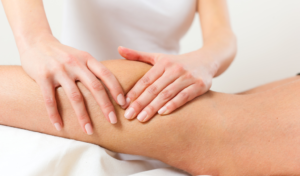 Physiotherapy together with
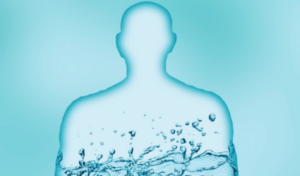

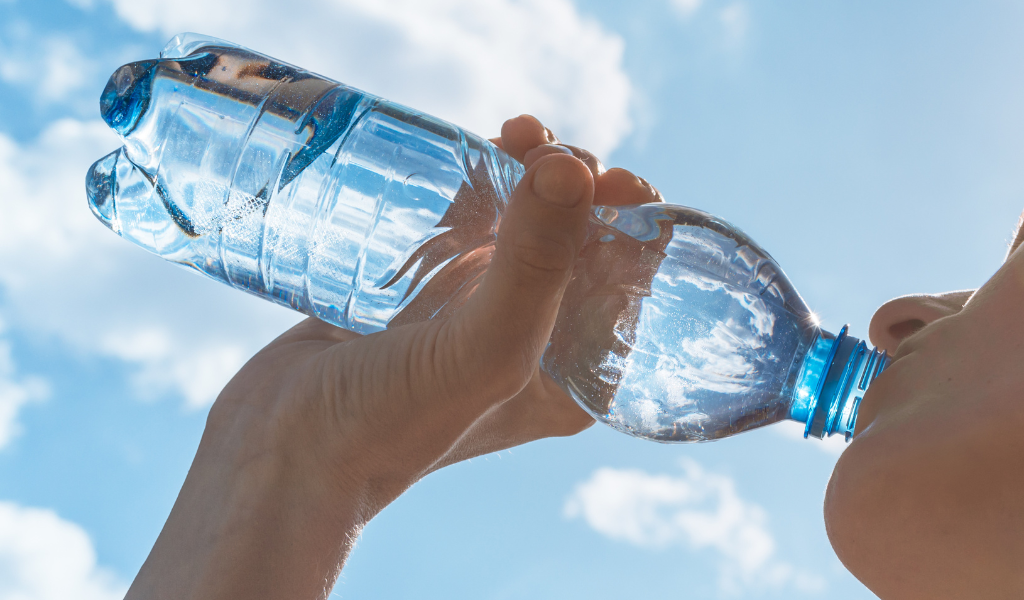
 Maintaining excellent health is extremely important because the human body tends to oxidize, or become alkaline, as it ages. It is recommended to drink between 1.5 and 2 liters of pure water every day, with a pH between 6.4 and 6.8.