Hernia
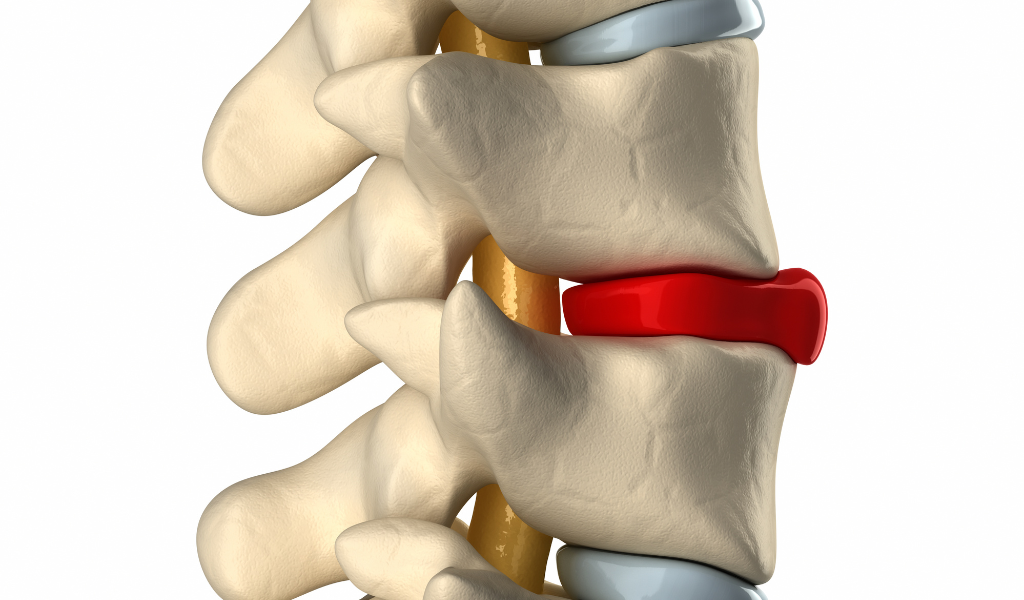
The word HERNIA is automatically associated with back pain or a groin problem. The etymology of the word, however, helps us understand more clearly what happens inside our bodies. Herniation is the protrusion of a mass from its natural position, or rather, when the nucleus pulposus herniates, is not held in place by the annulus fibrosus that keeps it in place.
Herniated disc
Anyone could have a herniated disc and experience no pain or symptoms. It's a degeneration of the musculoskeletal system that can no longer contain the fluid within the disc cavity, or neutral zone. It's important for the disc to be kept hydrated so it can withstand external stimuli well.
Some research has shown that runners have healthier discs than sedentary individuals. Theoretically, the disc moves backward during flexion, toward the structures of the spinal canal and the foramina, leading to disc prolapse. However, it moves forward when we extend the spine.
This theoretical line is denied when during the extension of the spine, the anterior wall of the disc  The intervertebral disc is stretched and therefore taut, while the posterior wall is shortened and therefore relaxed. This condition could lead to the disc's only escape route being a posterior direction, contrary to what was claimed in the previous model.
If the patient were to have a posterior hernia, during the extension movement the herniation would move even further backward, compressing the nerve structures behind it, therefore a careful evaluation of the patients is necessary because each patient could have different situations and conditions.
Spinal movements
Flexion movements of the spine cause the spinal cord to stretch, increasing neural tension. The roots 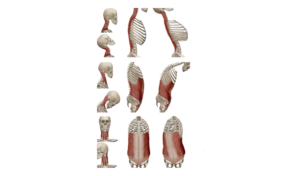 The nerves assume a more vertical direction, and the intervertebral foramen (TP3T) increases its area, creating more space for the structures within it. During extension, however, the spinal cord shortens and narrows the TP3T foramen. Although the nerve roots are relaxed during extension, the narrowing of the foramen, combined with a possible backward displacement of the intervertebral disc, could cause nerve compression. Clinical presentations are varied, and mixed components may occur, so the patient experiences pain during both flexion and extension.
Lumbosciatica
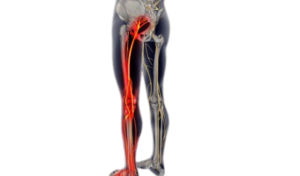 A very common example is the lumbosciatica, following the closure of the L5-S1 foramen (the smallest of the intervertebral foramina). If the herniation compresses the root, creating a radiculopathy, nerve conduction is blocked in the spinal nerve axon or its roots, causing hypoesthesia (numbness), muscle weakness, and/or reduced reflexes, but it is important to specify that this is not radicular pain. The association between hernia and pain is not correct, because we could only have silent symptoms., or have associated neuropathic pain, distributed across the dermatomes of the body, radiating below the knee and often to the foot. Therefore, the distribution of symptoms is very important; if they were to be anterior, it would be called lumbocruralgia, along the course of the crural nerve (L4 and proximal roots) instead the posterior distribution, the famous lumbosciatica, along the course of the sciatic nerve (L5-S1).
Radiculopathy
The radi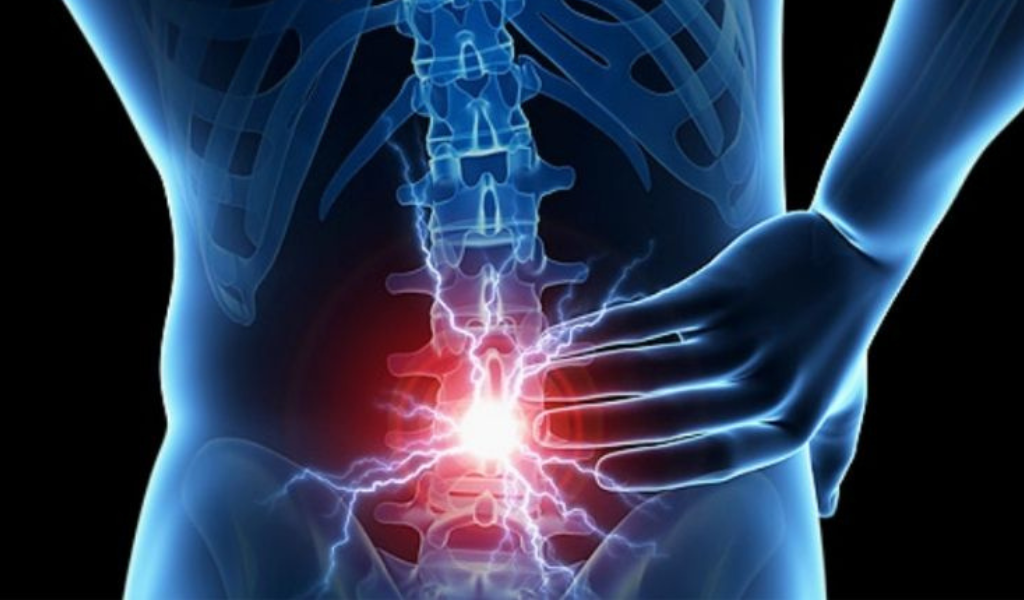 Colopathy is characterized by impaired sensation, strength, and reflexes, as well as the absence of pain. This condition is even more evident in chronic cases, where the symptoms are very severe but painless. This detail must always be taken into consideration, because the absence of pain does not indicate patient improvement. The patient's progress can only be considered evident in terms of regained sensation, strength, and reflexes. This assessment should be performed bilaterally to compare the affected side with the contralateral side.
Cause of pain
The patient experiences pain due to the compression phenomenon, which negatively affects the root's blood circulation. Even a small amount of compression can lead to intraneural edema, resulting in inflammation and sensitization of the nerve root to mechanical stimuli, whether distracting (tension) or compressive.
To summarize: A hernia that compresses a nerve will not necessarily cause pain, while a sensitized or edematous nerve root will certainly cause pain.


Via Donatello 75
00195 Rome
Tel. (+39) 06 39375719


Mon. – Fri. 8:00 – 20:00
Saturday 8:00 – 14:00

Via Donatello 75
00195 Rome
Tel. (+39) 06 39375719
Mon. – Fri. 8:00 – 20:00
Saturday 8:00 – 14:00

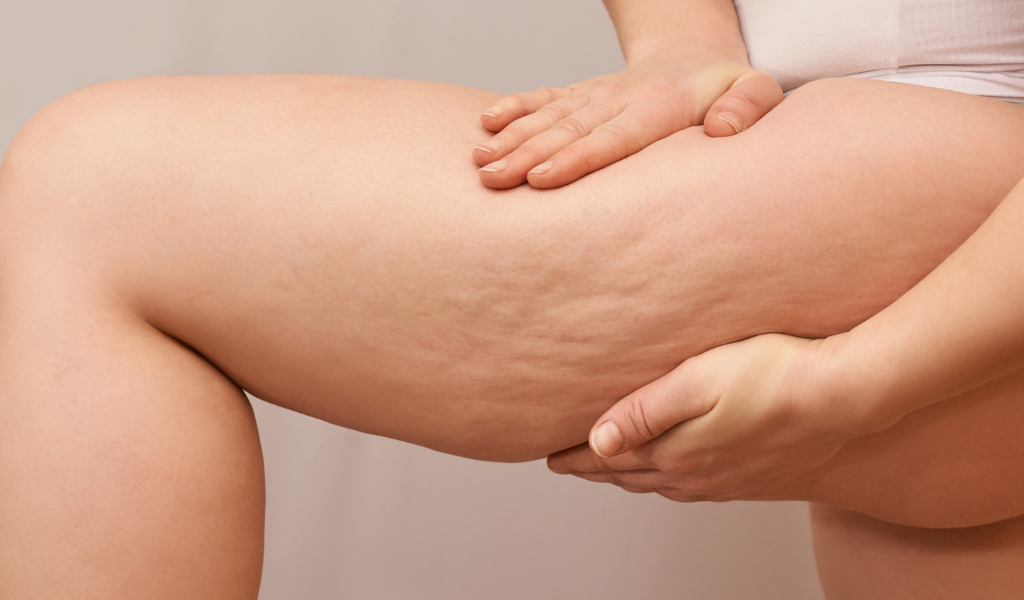
 With the arrival of summer, and therefore the heat, not only do we experience the so-called "swimsuit test", but we also experience a feeling of heaviness in the legs that could even cause some pain.
 The
The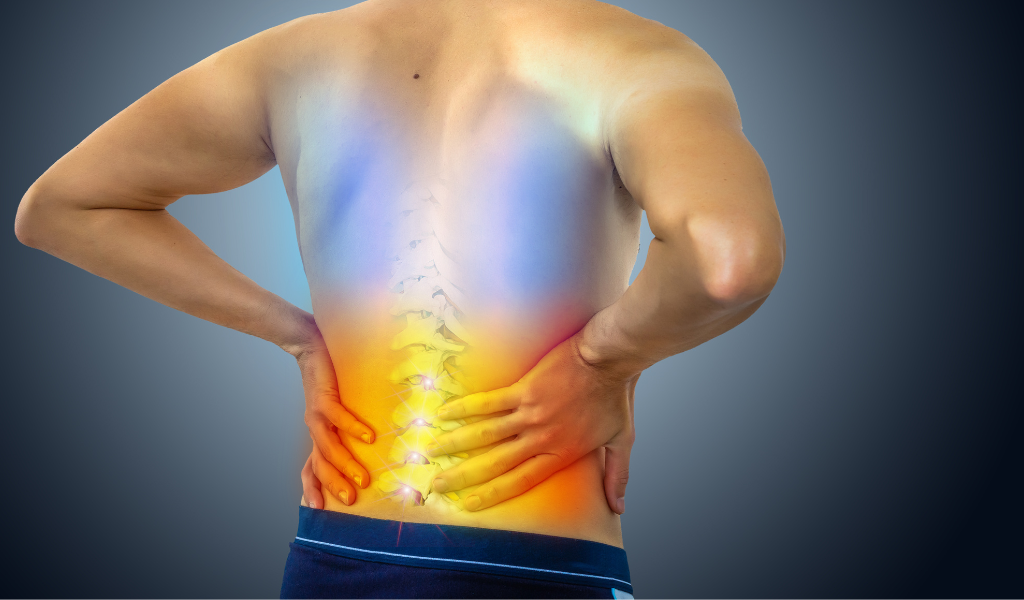
 Water is an extraordinary element, with multiple positive effects, and is often used in rehabilitation and orthopedic practices through hydrokinesitherapy. In a pool or in the sea, our body's actual weight is eliminated because gravity is absent. This phenomenon eliminates the load on the joints. By following this principle, reducing the load and stress, patients with back pain will be free of negative stimuli that could worsen the symptom.
 One of the most common causes of lumbago Discogenic pain, caused by the intervertebral disc, is a spinal problem that can lead to multiple consequences. Several observational studies are unclear as to whether unloading or loading the disc is more appropriate, but they do provide some very interesting answers.
 A very interesting study conducted by Treffel Loïc et al. evaluated the consequences of weightlessness for astronauts. It was observed that upon their return from space missions, numerous astronauts had developed symptoms of back pain (LBP), and many had also developed herniated discs. It is therefore fair to ask how much weightlessness (and therefore the absence of stimuli to the spine) may have played a key role in the onset of herniated discs or low back pain.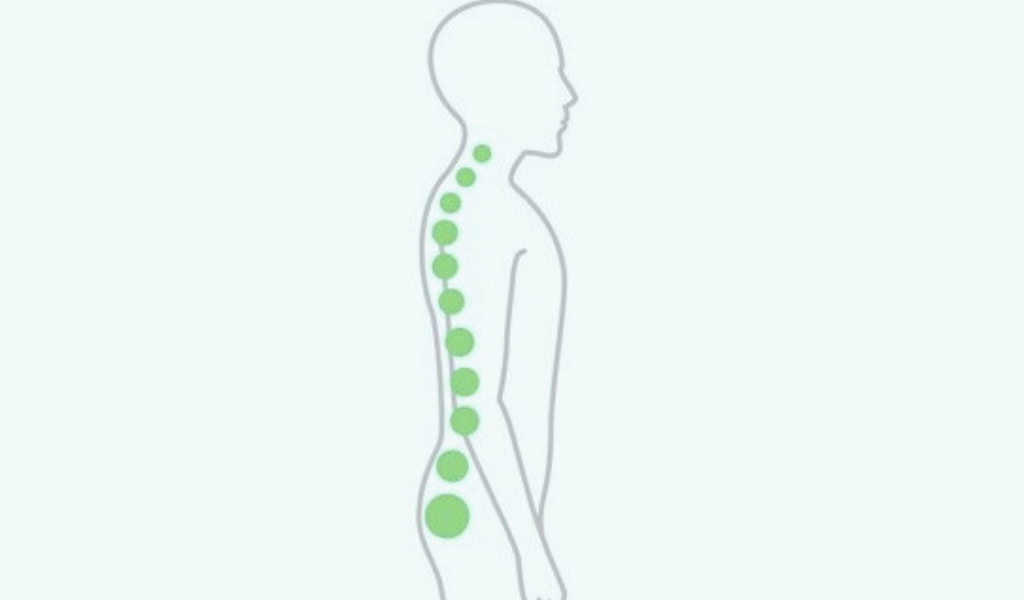
 Two types of posture can be defined:
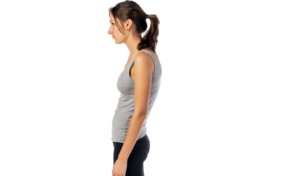 A key point is the relationship between psychology and posture.

 We were forced to stay indoors to prevent the spread of the virus, creating anxiety and fear in many people, and avoiding all social contact. There was a sense of impending doom. Leaving the house had become difficult, shopping for groceries created a mix of anxiety and relaxation along those endless lines, and buying the necessities seemed indispensable to get through the days at home. Somehow, society responded, dictating both life and work rules.
 Indeed, although it was already a widespread practice in some companies, working from home was an integral part of that historical period. Hours and hours spent at home working in front of the computer, without having had the time to transform our homes into offices. Kitchen chairs and tables were converted into work tools because humanity cannot stop, even in the face of disaster or war. Our instinct is to keep going, and society will increasingly push us to do so.
 All of this creates enormous feelings of stress; the Covid-19 pandemic itself has made us more uncertain about the future. Hours and hours of working from home, fixated on the future, sitting on a couch or in bed. Your boss calls and emails you as if they'd never looked out the window: the important thing is the business, even in these situations, and the context becomes less relevant.
 Researchers have observed a significant increase in back pain after working for days at home. This can only be explained by looking at things from a holistic perspective on medicine and health, which considers multiple aspects of the problem. Humans are greatly influenced by their environment. Stress, fear, anxiety, prolonged incorrect postures, and furniture used as workstations are all factors that can lead a person to suffer from specific pain, which can worsen and become debilitating.
 Many patients think they can work for hours on end on chairs that are typically used in the dining room: rigid, small, with low backs and often unsuitable for the table, which is either too high or too low.
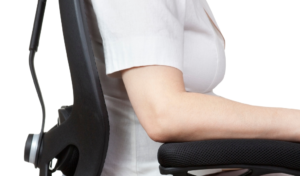 It's also very important to sit in a comfortable, soft chair with a high backrest that can rest your back during breaks or that can help maintain correct posture, preventing strain on other musculoskeletal structures.
 However, it's also important to consider the positives, not just the negatives, of working remotely: for example, avoiding traffic, setting your alarm later, or staying in a comfortable environment. Families themselves have been able to spend more time together thanks to smart working.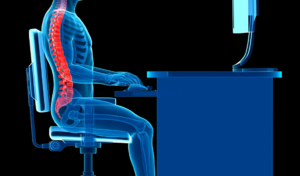
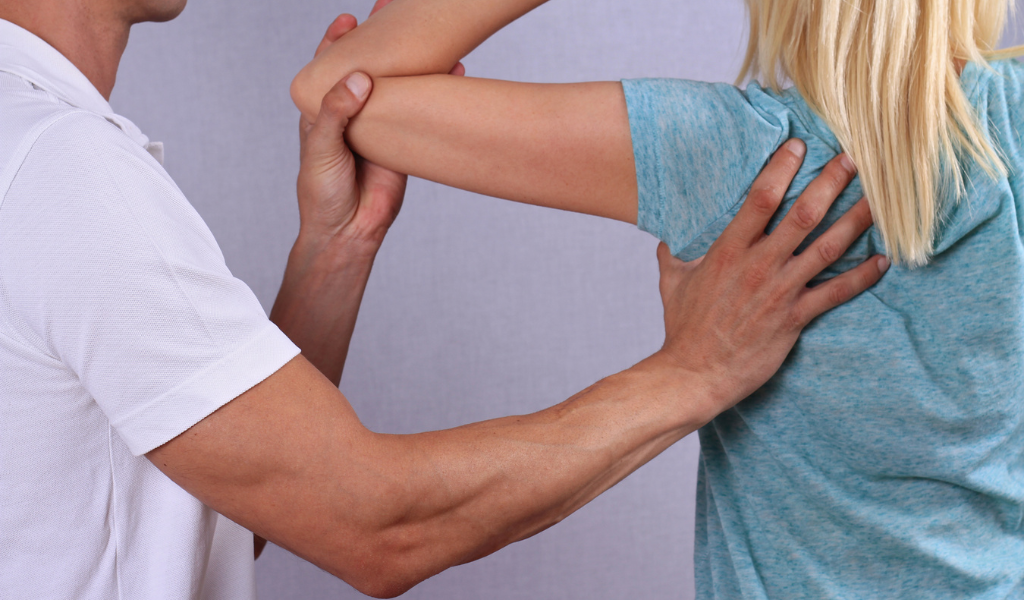
 Physiotherapy involves two different treatments: manual or instrumental.
 The IFOMT (International Federation of Orthopaedic Manipulative Physical Therapists) is the organization that regulates and clarifies the requirements universities must meet to accredit the title of OMT manual therapist. Therefore, manual therapy is performed by a professional who, in addition to a university education, has completed a master's degree and obtained the certification as a "manual therapist."
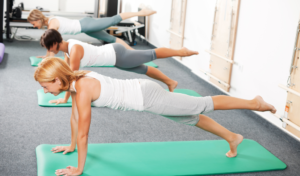 The
The 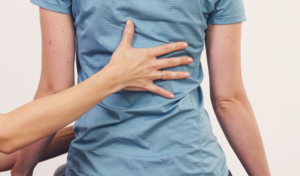
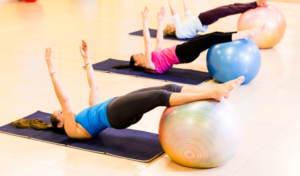 – TONE THE DEEP MUSCLES i.e. the back and deep abdominal muscles (rectus and transversus abdominis) which are responsible for correct posture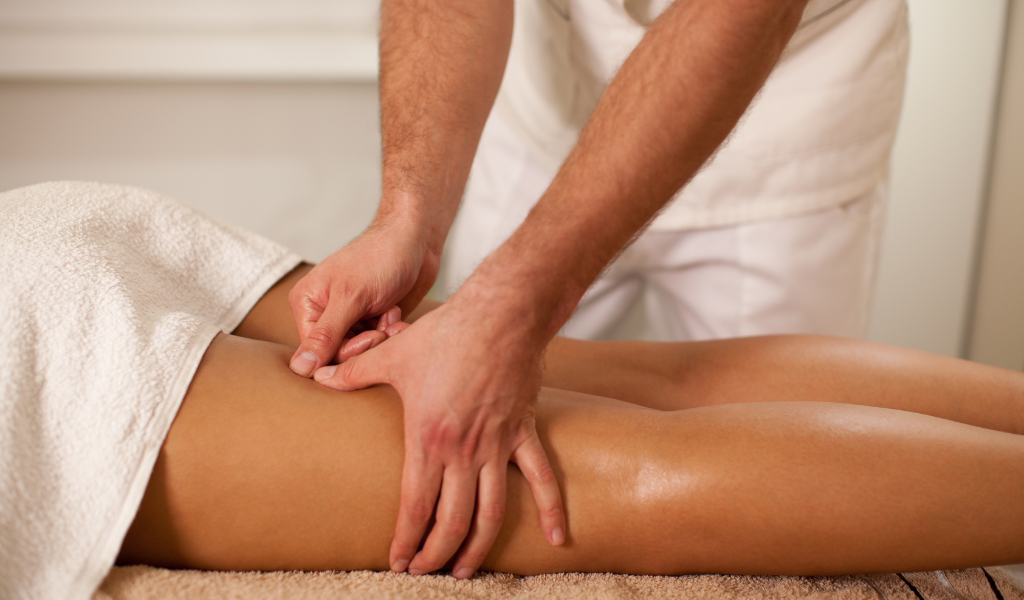
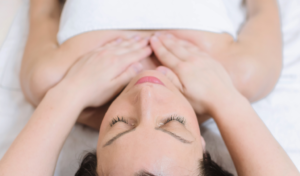 Lymphatic drainage massage It is a technique used in the medical field that allows for direct work on the lymphatic system through the application of the therapist's manual techniques. The lymphatic system was discovered and studied late in anatomy, and thus also its treatment. The most well-known schools of lymphatic drainage are the Leduc school and the Vodder method. Both are based on similar principles, but differ in the number of maneuvers and execution protocols. The Vodder method remains the most practiced and studied in the medical-scientific field, including rheumatology. It consists of massages typically performed on the neck, nape, abdomen, and chest.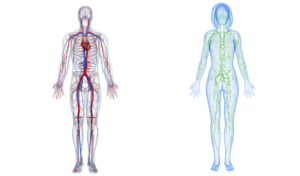
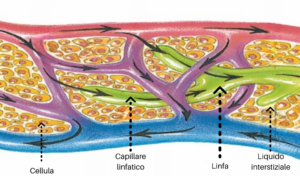 The interstitium, made up of collagen, elastin, and cross-linked fibers, is the space through which molecular exchanges between tissues occur through the phenomenon of diffusion. This exchange occurs thanks to the phenomenon of physiological lymphatic drainage and therefore the extracellular matrix. When there is congestion, edema can form. Unlike the capillary system, which is almost impermeable, the prelymphatic vessels allow the passage of larger substances, such as proteins, tissue catabolites, viruses, and bacteria. In the interstitium, in fact, the 90% of substances is reabsorbed by the blood capillary system, while the 10% by the lymphatic system. Entering the lymphatic tracts, this fluid is called lymph.
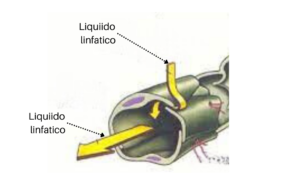 There are various mechanisms of lymph transport, intrinsic (spontaneous contractions of the lymphatics and the sympathetic nervous system) or extrinsic, such as the activity of the muscle or joint pump. When this transport capacity is impaired, or when proteins remain in the interstitium for too long, the connective tissue changes; fluid stasis and stagnation occur, preventing proteins from passing through, causing edema.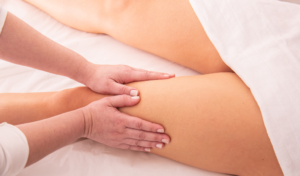
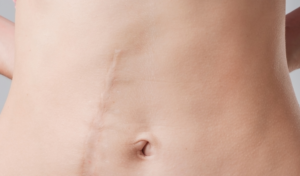 DLM has an ANTI-EDEMIA AND REGENERATING EFFECT on tissues, especially in cases of scarsIt is also recognized as having an analgesic effect because it acts on mechanoreceptors. The mechano-pressure stimulus inhibits nociceptive input from local nociceptors and, by washing the interstitium and the consequent removal of harmful substances (kinins), reduces the painful effect.
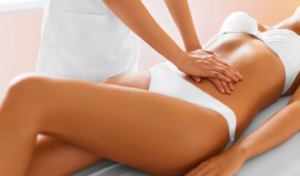 DLM also has an effect on muscle tone, reducing tone and improving tissue trophism, as well as acting on the IMMUNE SYSTEM.
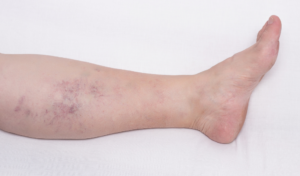 One of the conditions in which drainage massage is prescribed is for the pathology of the lymphedema that is, the inability to transport lymph, caused by a functional deficit of the lymphatic vessels or by an organic malformation. Other common pathologies are: phlebolymphedema resulting from an accumulation of blood and lymph, therefore from achronic venous insufficiency, The lipedema that is, proliferation with progressive degeneration of localized adipose tissue, mainly at the level of the coxofemoral joints and algodystrophic syndrome, which presents with subcutaneous edema more frequently in the hands and feet.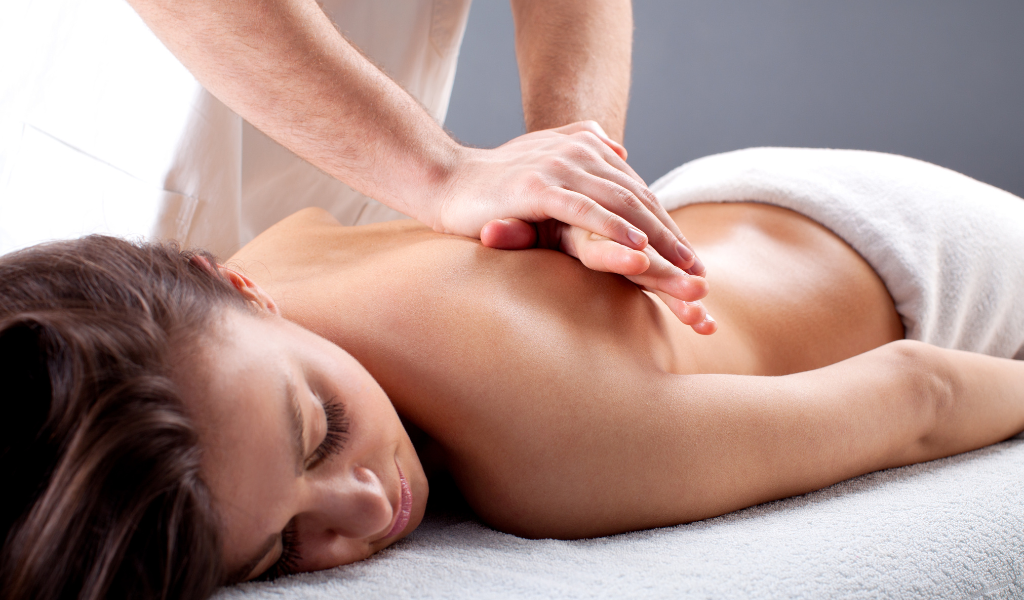
 The holistic massage Its aim is to achieve a pleasant psychophysical state. Numerous benefits can be achieved through the execution of various techniques.
 The Renata França method It is a total body treatment that takes its name from the Brazilian masseuse Renata França who developed and invented this method.
 It can also be performed during pregnancy and, in this case, it offers numerous health benefits for future mothers, it activates blood circulation, reduces fluid retention, produces relaxation and gives a feeling of lightness.
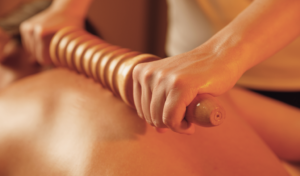 The Manuel Casado Method It is a massage technique particularly suitable for treating different areas of the body by stimulating the nervous system, without damaging the tissues.
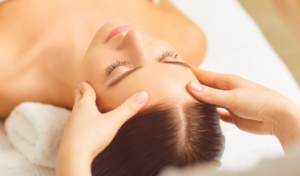 The Luisa Gallo method Through specific maneuvers, it works in connection with manual skills and breathing, helping to overcome internal discontent by actively acting with the sole aim of rebalancing body and mind.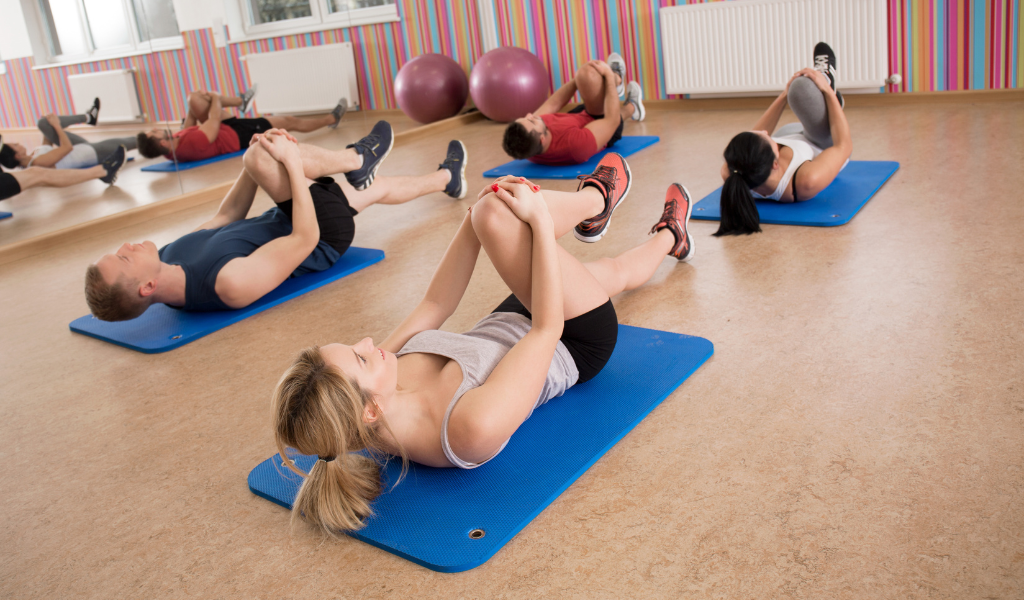
 How many times, after a period of inactivity, do you find yourself carrying out even the simplest daily tasks and feeling tired, limited in your movement, or even unable to carry out or complete a certain activity?