Summer activities often lead to injuries such as sprains, tendonitis, or muscle tears. It's always complicated and difficult to educate people who have become accustomed to certain rituals passed down from generation to generation. Today, I'd like to dedicate an entire article to what we often, or almost always, do wrong when faced with injuries affecting a region of the musculoskeletal system.
The latest scientific research makes us reflect on the advice we give to people, but how can we educate citizens and especially medical professionals to stay up-to-date? Patients are the ones who pay the price; in other words, the more we stay abreast of research, the better we can help our patients.
Injuries, what to AVOID?
Today the acronyms ICE, RICE, POLICE….are all outdated protocols.
Why did my mother always tell me to put ice on or does the doctor always shout in different languages the need to provide endogenous cold to reduce the pain? 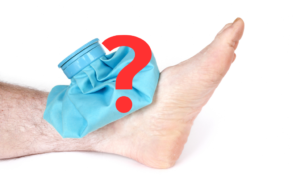 pain and swelling? The use of ice creates many doubtsFor example, it has been shown that internal temperature does not change, so endogenous cold does not pass through. Prolonged use can lead to a loss of responsiveness at the receptor level, resulting in a structure less responsive to external stimuli.
Prolonged use can also cause skin burns, but this can be easily avoided by applying a cloth to create a barrier over our skin, avoiding direct contact. In short, grandma's bath of water, salt, and vinegar is not accepted by the scientific community; it hasn't passed the approval test.
But the question might arise spontaneously: doesn't ice reduce pain sensitivity? The answer is yes. Ice has a local and temporary analgesic effect, so analgesia is the first thing a person seeks, but we no longer have to reason empirically. It would be truly important if everyone followed common guidelines because there would be fewer internal disputes and more communication between professionals and doctors, eliminating the personal ego that undermines medicine.
Injuries, what to DO?
As of today, if I were to suffer an injury this summer, what should I do?
Follow modern guidelines by remembering a simple acronym we also find in other contexts: PEACE & LOVE. This is the new model to follow, but now let's take a step-by-step look at what each letter of this acronym means.
Protection: prevent the affected limb or area from suffering further damage or movements that exacerbate the pain. In short, the patient must remain still and protectedBecause the real medicine is rest and calm. The body will activate all the healing mechanisms it knows, much better than a super-equipped pharmacy.
Elevation: in case of trauma to the lower limbs, raise your leg above the level of your heart so that gravity can bring the liquids back to the base more easily  leaking after the injury. Swelling is one of the post-traumatic effects, and to promote venous return, we must implement easily reproducible practices.
Avoid Anti-inflammatory drugs: avoid anti-inflammatory drugs And don't use ice, it could create confusion and fear. In fact, it's best to avoid taking medications in the early stages and wait for the body to perform its natural healing functions. Medication could (I use the conditional, because I could be lynched for this statement) make things worse, slowing down the body's healing process, which instead needs to run its course.
Our body recognizes that we've suffered damage and is equipped with a highly specialized internal pharmacy. It uses inflammation to repair damaged tissue, so interrupting this process would have the opposite effect. Now think about how many times we've done the opposite: almost always, myself included.
Compression: must reduce swelling and therefore the use of elastic bandages or tape it is recommended, the important thing is 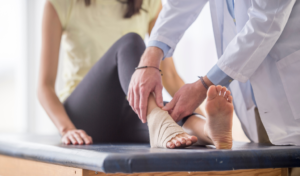 Make sure they are applied properly and sensibly. A poorly applied bandage can be worse than no bandage at all, so carefully examine the injury and assess the patient's needs.
Education: Educating the patient is very important. It's helpful to explain their condition, choosing the right words. Empathy and verbal and nonverbal communication are essential. The patient will then choose their own path, but at least we know we've done our best to educate them.
Load: increase the load gradually Following the signals sent by the patient, who is very good at recognizing whether a movement is safe or not, is essential. Therefore, involve the patient in this process, because we must return to weight-bearing, but only when the patient is ready and when the practitioner deems it appropriate. Pain will be the signal that guides us through this phase and will indicate whether it is too early or not.
Optimism: the psychological aspect has been introduced for some time now because it has a huge influence on the progress of healing, our patients need to be supported emotionally too, so be optimistic!
The body adapts to everything, even when faced with a bad injury.
To convey serenity, to make people understand the various changes in state and the improvements achieved, to remove as much as possible the fear of chronic and persistent pain.
Vascularization: allow, when possible, cardiovascular activities that help the vascularization of damaged tissue.
Exercise: Finally, active recovery is the most popular option, especially when the pain has diminished or disappeared completely. Advise the patient muscle strengthening exercises, proprioceptive ones that stimulate the affected area to better respond to external stimuli and to avoid further relapses.
Rely on the right specialists
 All these are important guidelines that we can recommend to the patient who has injured himself, but another highly recommended approach is to to be seen by a physiotherapist specialist who knows the procedures to be carried out very well. In short, you should never underestimate a physical problem, because it could become something much more annoying and difficult to overcome. Education and common sense help us avoid much more serious consequences.

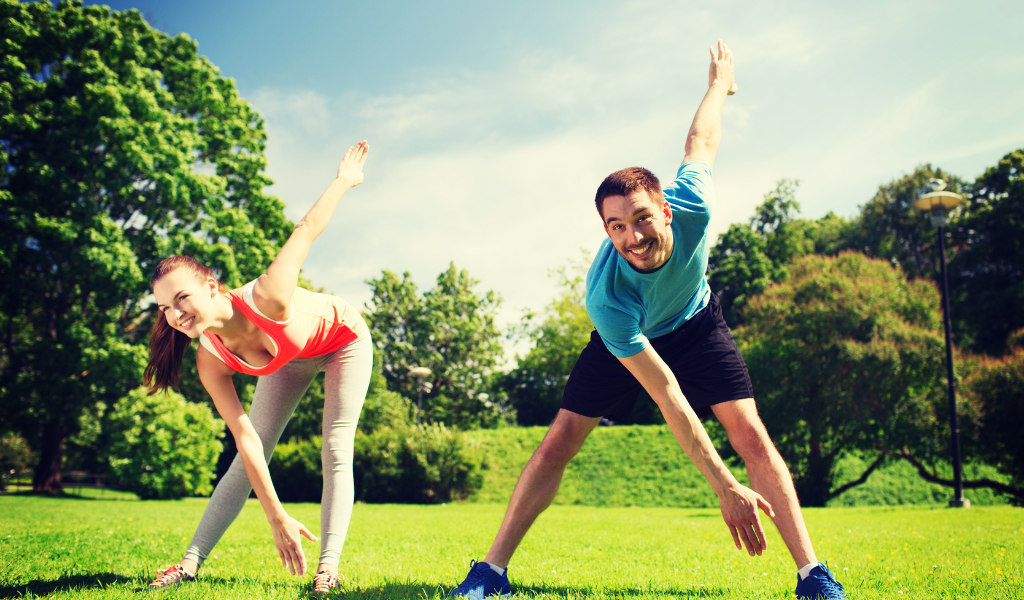
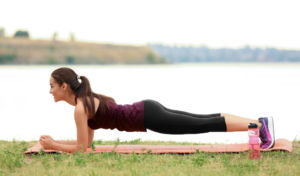 The importance of a good warm-up before physical activity is fundamental for professional athletes, but also for those who practice sports at an amateur level.
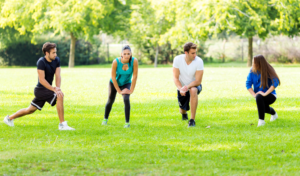 So with the warm-up, lasting 5/10 minutes, you can get these benefits:
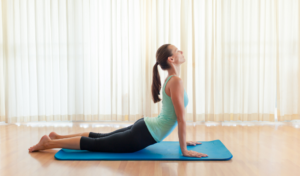 Once you've finished exercising, it's important not to neglect stretching exercises to avoid unpleasant injuries and contractures. Stretching exercises improve circulation, improve breathing, and reduce feelings of fatigue. Above all, they induce a state of physical and mental relaxation.





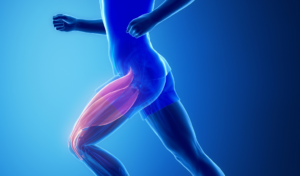 First, we're talking about rest after a workout or a competitive sport. Whether the workout is intense or not, muscle tissue is always involved, so it requires a certain amount of rest to allow it to regenerate. After activity, the muscle suffers actual tissue damage, which also explains post-exercise soreness. Muscles also undergo metabolic stress, and a break allows for the formation of new cells and therefore muscle growth, a real increase in sarcomeres on the fascia.
 Passive recovery It should occur primarily at night. The body and mind are completely rested. The brain is the essential control source for every reaction within our body and requires a specific amount of time to restore its basic functions so it can function as efficiently as possible. At least 7-8 continuous hours are necessary, and this is perhaps the most important recovery of all. When we sleep well, our entire body and mind benefit.
 Active recovery (here we open a very important and debated chapter) falls within the concepts of rehabilitation and return to physical activity. If we consider a muscle that has been trained, and therefore partially injured, active recovery is necessary to promote functional memory in a specific tissue. Therefore, low-intensity exercise increases vascularization and consequently tissue regeneration. It is important to stimulate the tissue, for example with preparatory exercises for the specific activity.
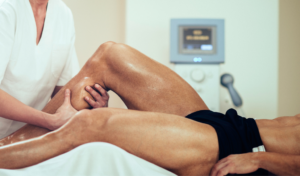 The massage This is another very good type of recovery, designed to eliminate all catabolites and promote metabolites. It's useful for relaxing tense muscles and promotes the continued release of endorphins, which are beneficial for the body.
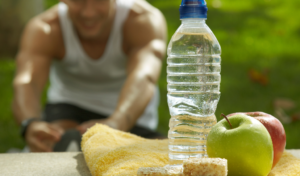 Activity is our "fuel." A balance of these nutrients, including healthy fats and vitamins, allows us to enjoy good overall health and thus the possibility of living a healthier life.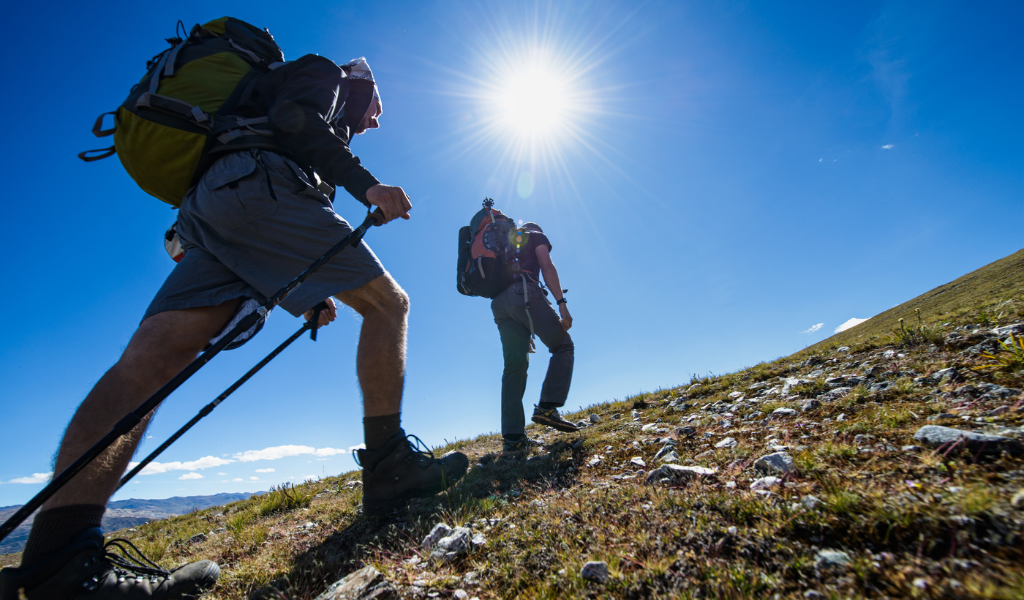
 We're now bombarded with advertisements and salespeople recommending fantastic shoes designed to fit our body's posture. We've often heard that good posture reduces the risk of injury and that a good shoe could be the solution. Unfortunately, or fortunately, such a statement isn't possible today. Spending on shoes cannot be associated with prevention but rather with personal taste. and the sensations we experience and the influence of marketing we are subjected to. However, choosing a trekking or running shoe should be as subjective as possible!
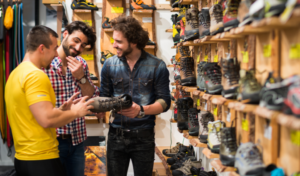 The clerk, if they're experienced or have a well-stocked store, might ask you to step onto a baropodometric platform, simply to see how you distribute your body weight. Another very useful tool is to ask you to use a treadmill in the store to see how you use your foot and how the load is distributed across your feet and joints.
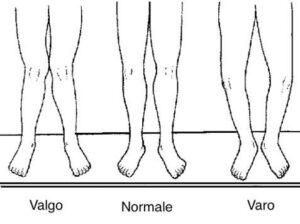 Knowing the characteristics of our support: varus, valgus, arched or not arched plantar arch, It could be helpful in choosing the most suitable footwear for our sporting activity. However, consider that a salesperson doesn't study the human body and its pathologies; they simply offer their experience and draw conclusions based solely on an empirical perspective. Therefore, it's perfect if we want to get recommendations. a shoe that allows us to perform our hobbies or sports to the best of our ability, but we cannot receive advice on preventing injuries such as sprains.
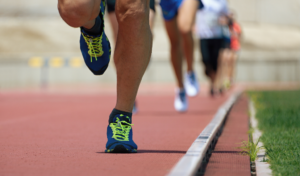 Many scientific experts also question whether it's worth continually modifying posture when an athlete has actually achieved structural balance. Let's take the example of marathon runner Emil Zatopek, known as the "Human Locomotive": he's won numerous trophies, but he's also famous for his uncoordinated running and a very pronounced arch valgus. Does it make sense to modify the posture of someone who has no PAIN and achieves brilliant results, like this one? The answer is not very.
 The equipment we buy is intended to help us perform our athletic movements better, not to preserve our bodies.The choice is always subjective, so we must consider our characteristics: foot structure and shape, wide or narrow base, taking into account our body weight and our physical preparation.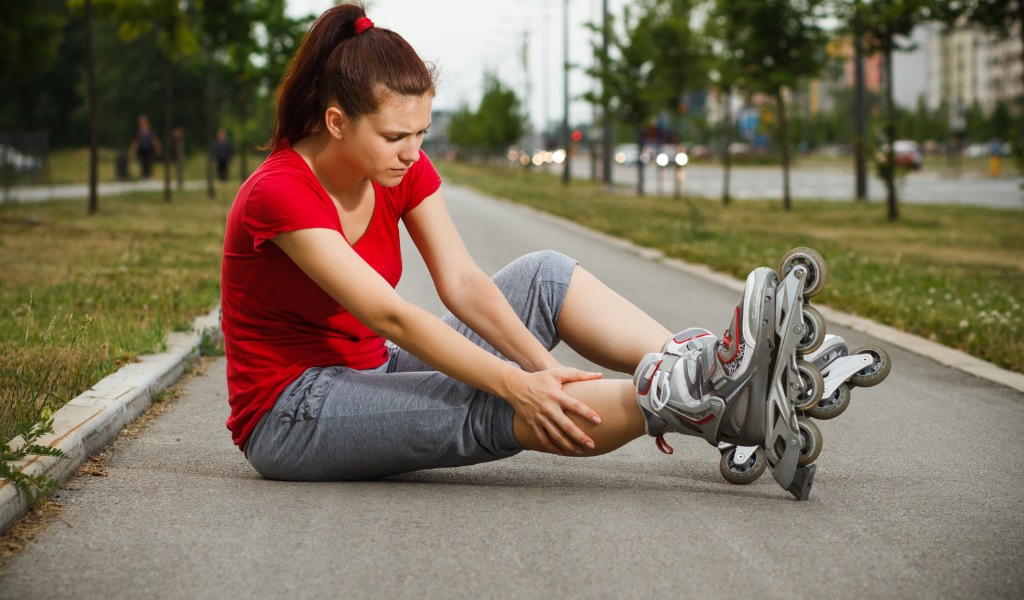
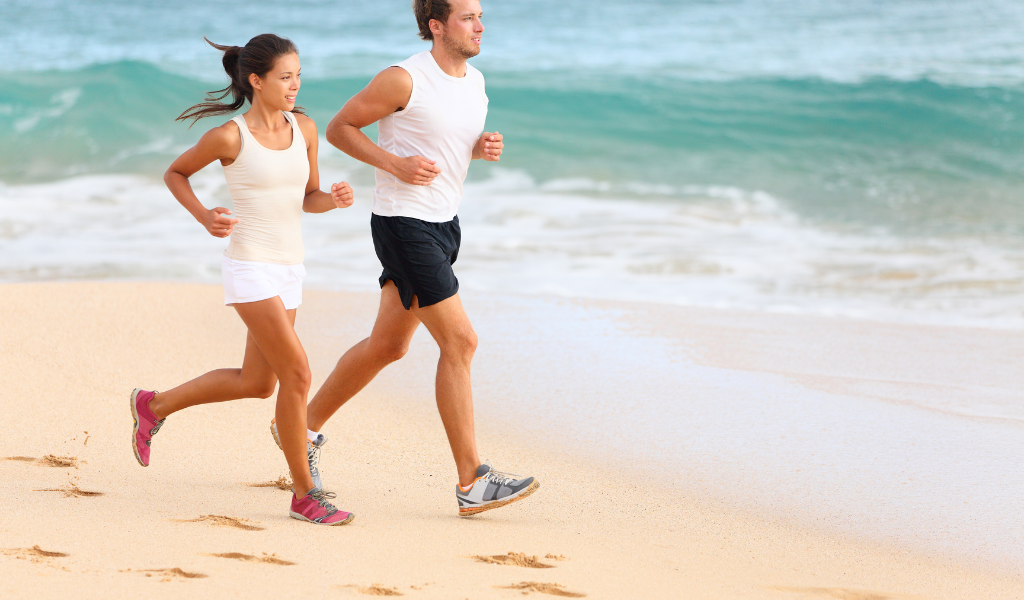
 The alternation of hot and cooler periods is unpredictable, although climate change is accustoming us to sudden changes even during the summer; one variable, for example, is the wind direction. When the wind blows from the north, we'll experience a period of dry heat, yet pleasant weather because it comes from cooler climates. When the wind blows from Africa, and therefore from the south, we struggle even to sleep, let alone exercise. But how can we manage this alternation of high temperatures and high humidity while still finding time to exercise?
 If we decide to run during the summer, we recommend running during the cooler hours, such as early morning or evening after 7:00 PM. If this is absolutely impossible because your only free time is your lunch break, we should choose a tree-lined route where the temperature is much lower than a scorching asphalt road. Remember to evaluate your starting condition: if you're untrained, over 70, overweight, or have cardiovascular problems, training outdoors in temperatures above 30 degrees is highly inadvisable. However, many people are accustomed to training and running even during the hottest hours of the day, but you should never improvise.
 The fundamental tips for training in the summer and in the heat are: leave the house during the coolest hours, choose a tree-lined path, wet your head and wrists with cold water, drink Drink plenty of water before and during training, have a good breakfast so you have the energy you need to face the physical effort, but the most sincere advice is not to overdo it, do progressive training, then gradually increase the difficulty and the time spent exposed to fatigue and sun. Real training should lead us to the goal of improving ourselves without exposing us to unnecessary risks to our health.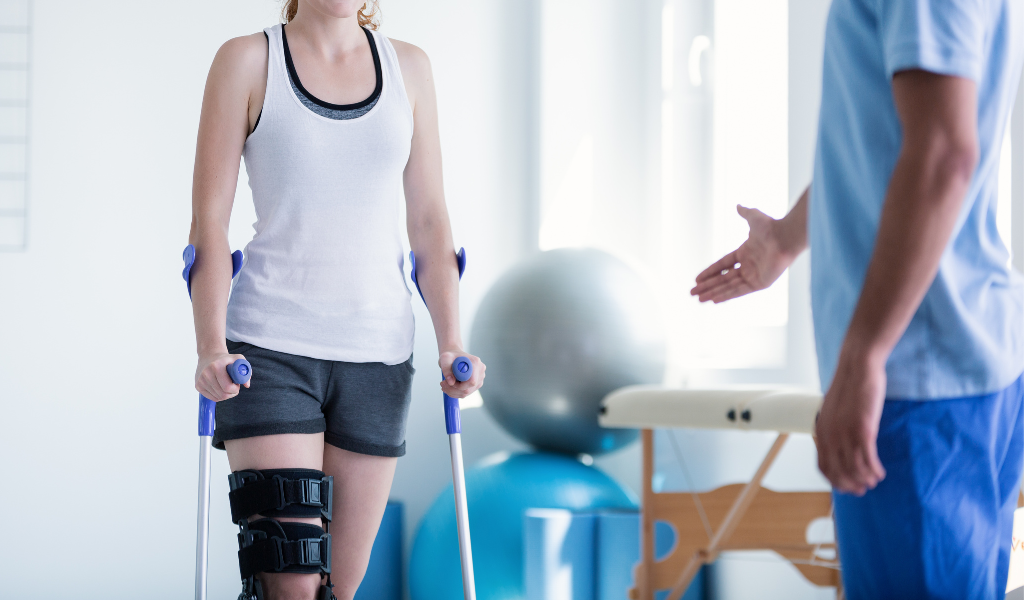
 Surgery, on the other hand, is a consequence of a serious injury and therefore unplanned. After surgery, it is necessary to avoid blood clotting, you may have difficulty walking, if the operation was performed on the lower limbs, you may need to wear a brace or elastic stocking... There are numerous precautions that should not be underestimated, but one of the most important recommendations is GRADUALITY in things.
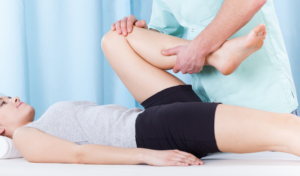 Often, regardless of the surgery, patients feel able to perform the normal movements or activities they did before. However, it's best to avoid the initial period, so as not to jeopardize the surgeon's work or avoid unnecessary complications. Often, those who undergo surgery in the summer decide their rehabilitation plan independently, and this is the worst thing they can do.
 It's a mistake to think that by resting or staying home to let time pass, you're recovering, because that's not the case. In fact, it's a harmful and dangerous attitude. Those who choose or who undergo surgery due to force majeure, before or during the summer, must do physiotherapy with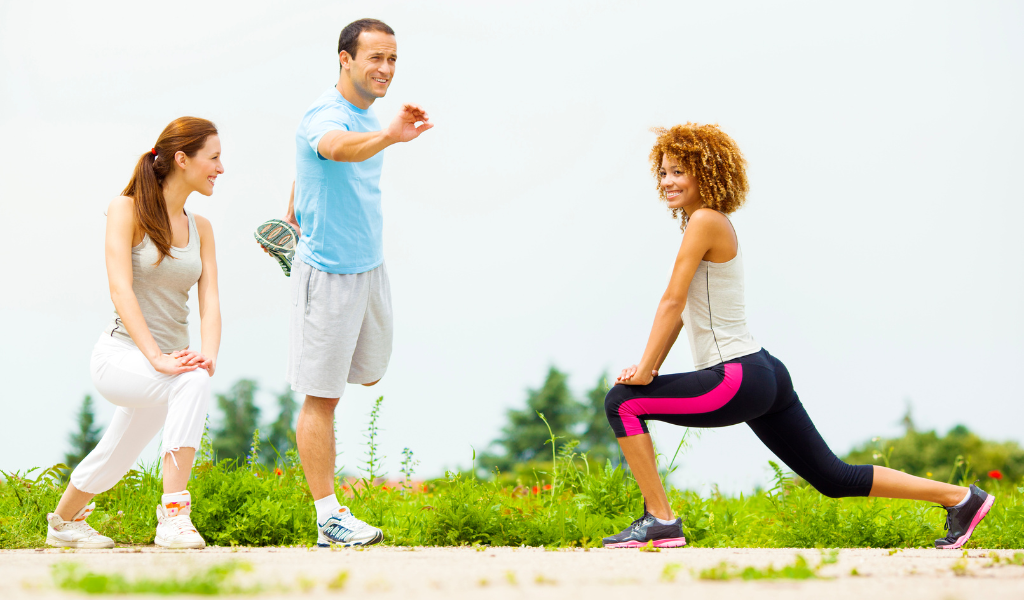
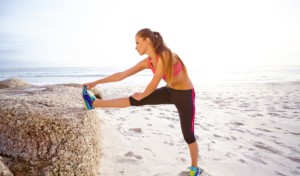
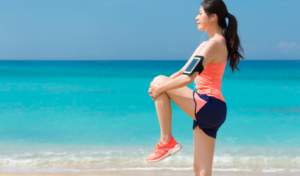
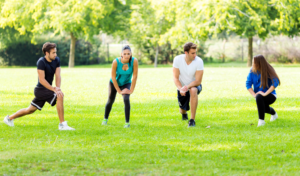 -Importance of a good warm-up: warming up serves to raise body temperature, thus improving the FLUIDITY of the blood and promoting the OXYGENATION of the muscles in order to avoid contractures, strains or tears.
 Summer is a season when many people engage in outdoor sports, such as swimming, running, cycling, and soccer. During this time, it's even more important to eat properly and maintain adequate hydration, as the thermal and physical stress our bodies are subjected to during physical activity is significantly greater.
 Maintaining adequate hydration is essential for athletic performance and, in general, for overall health. During the summer, due to high temperatures, the body loses more fluids through sweating. Dehydration can lead to decreased physical performance, energy drops, excessive fatigue, and muscle cramps. Therefore, maintaining adequate fluid balance is essential.



 The sun is our friend, but it can sometimes betray us. We must learn to know it and relate to it correctly.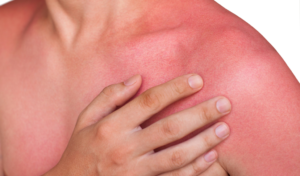
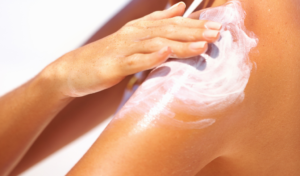 All of these conditions can obviously be prevented with the right precautions. First and foremost, it's essential to avoid sun exposure during the hottest hours of the day (from 12:00 PM to 3:00 PM). It's also important to properly apply sunscreen, using high-quality products with an SPF of at least 50+. After the beach, it's important to moisturize skin stressed by the sun's rays with after-sun moisturizers.
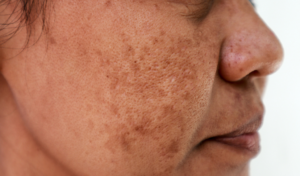 Solar radiation also causes numerous aesthetic disorders such as annoying sunspots or actinic spots. They arise after prolonged and repeated exposure to the sun without adequate protection and their treatment is based on chemical peels or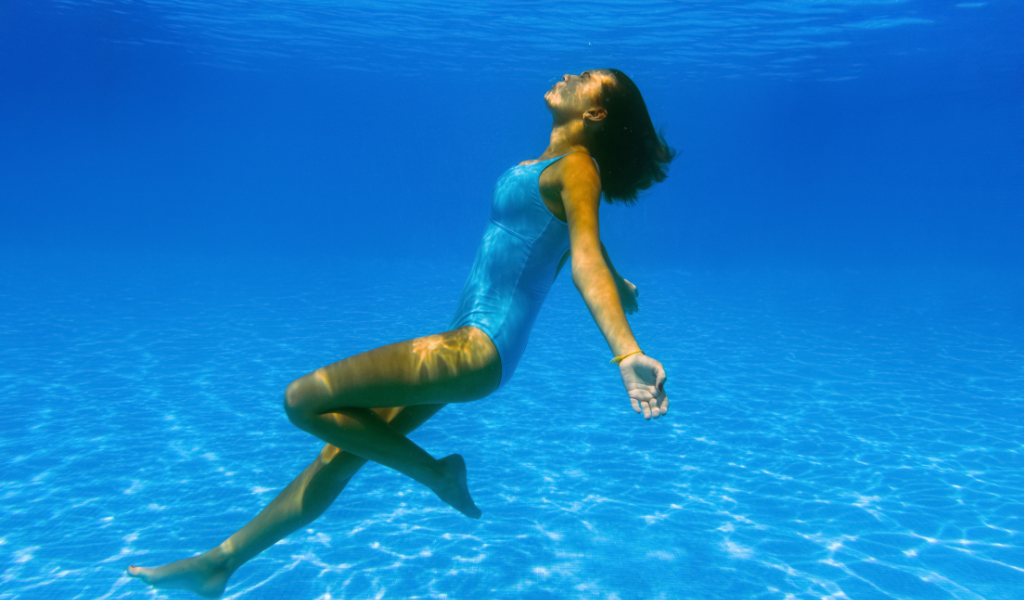
 In water, our body weight becomes zero, and due to the buoyancy, it's easier to ignore our weight. However, this depends on the depth of the water covering our body. The more surface area of our body is immersed in water, the more resistance we'll encounter, which can be used to train our cardiovascular and musculoskeletal systems.
 However, water therapy is often recommended for conditions such as disc disease and lumbago without having carried out a sufficient assessment.
 Swimming or walking in water aims to strengthen muscles, useful for example for the knee joint, doing physical activity to help the cardiocirculatory rhythm, and doing physical exercise useful for general health, but certainly cannot have the aim of reducing back pain.