
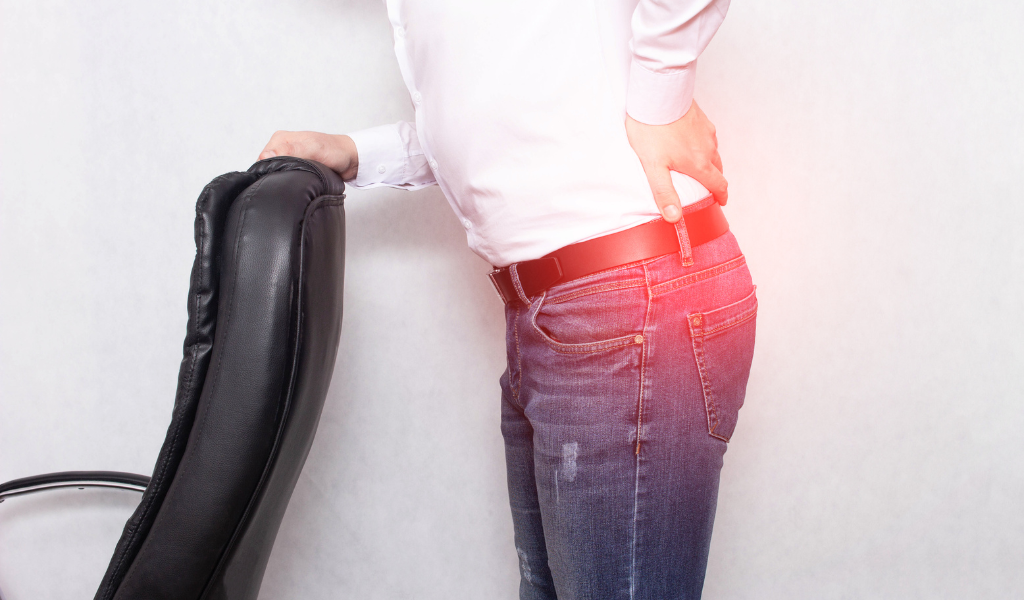
Sciatica It's a painful condition that affects many people, impacting their quality of life and limiting their mobility. Understanding the underlying causes, associated symptoms, and treatment approaches is essential for those seeking relief from sciatica. In this article, we'll explore sciatica from a physical therapy perspective, providing helpful information for those living with this condition.
What is Sciatica?
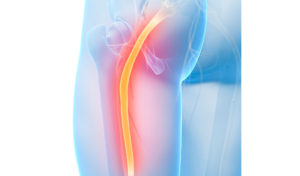 Sciatica refers to pain radiating along the sciatic nerve, the longest and widest nerve in the human body. This nerve extends from the lower back, through the buttocks, and down the back of each leg. Sciatica can manifest as a dull, burning, or sharp pain, often accompanied by tingling or numbness along the nerve's path.
Common Causes of Sciatica
Sciatica can have several causes, including:
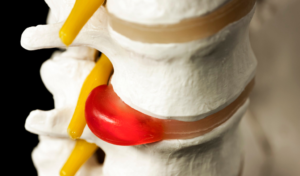 Lumbar Disc Herniation: One of the most common causes, in which the inner material of a spinal disc bulges and compresses the sciatic nerve.
Spinal Stenosis: a narrowing of the spinal canal that can put pressure on the nerve.
Piriformis Syndrome: irritation or compression of the sciatic nerve due to contraction of the piriformis muscle.
Injuries or TraumasAccidents or injuries involving the spine can damage the sciatic nerve.
Symptoms of Sciatica
Typical symptoms of sciatica include:
Pain extending from the lower back down the back of the leg.
Tingling or numbness in the leg or foot.
Weakness muscle in the affected leg.
Increased pain during prolonged sitting or lifting weights.
Therapeutic Approaches in Physiotherapy for Sciatica
Physiotherapy plays a key role in the treatment of sciatica. Therapeutic approaches may include:
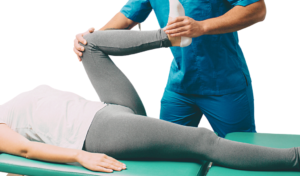 Therapeutic Exercises aimed at strengthening the back muscles and improving flexibility.
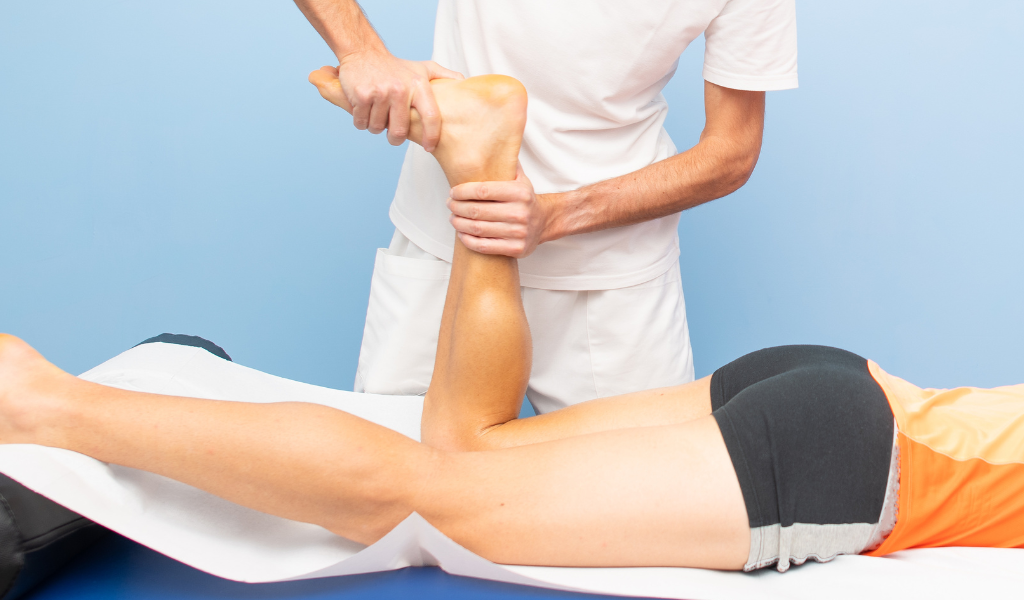
Manual Therapies such as therapeutic massage and myofascial release to relieve muscle tension and reduce nerve compression.
Specific stretching focused on the affected area to reduce tension.
Instructions on Correct Postures which can reduce pressure on sciatica.
Heat or cold therapy to reduce inflammation.
Prevention and Continuous Management
Prevention of sciatica may include practices such as maintaining a healthy body weight, adopting correct posture and regular exercise. For those living with chronic sciatica, ongoing management through physiotherapy can help maintain well-being and prevent relapses.
Conclusion

Physiotherapist Andrea Sgambati
Addressing sciatica requires a thorough understanding of its causes and targeted management through the assistance of physiotherapy.If you are experiencing symptoms of sciatica, consult an experienced physiotherapist For a detailed assessment and personalized treatment plan, physical therapy can be a crucial element in your journey to sciatica relief and a return to an active, pain-free life.


Via Donatello 75
00195 Rome
Tel. (+39) 06 39375719


Mon. – Fri. 8:00 – 20:00
Saturday 8:00 – 14:00

Via Donatello 75
00195 Rome
Tel. (+39) 06 39375719
Mon. – Fri. 8:00 – 20:00
Saturday 8:00 – 14:00

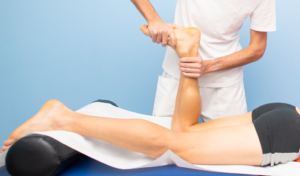 planning of personalized treatments, that is, develop treatment plans adapted to the specific needs of the patient, taking into account neurological responses;
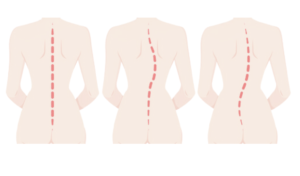 Rotation of the vertebrae. It can occur at different age groups and may be caused by genetic factors, muscle problems, or nervous system dysfunction.
 • Application of targeted pressure to release muscle tension associated with scoliosis.
 Neurodynamics can be successfully integrated with traditional scoliosis therapy, which may include conventional physical therapy, stretching exercises, and manual therapy. A thorough assessment by a specialized physical therapist will guide a personalized treatment plan that takes into account the patient's specific needs.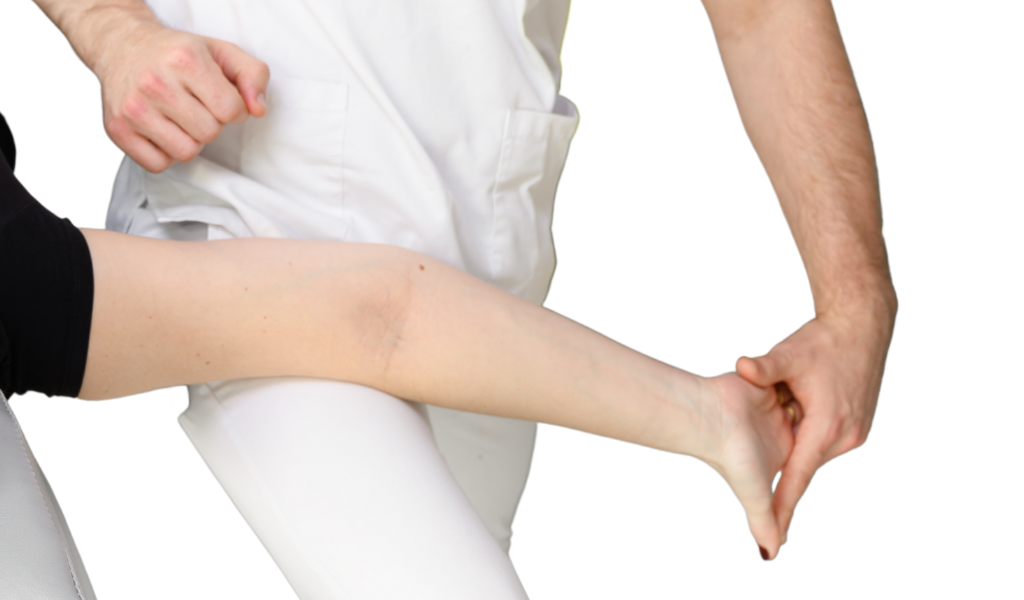
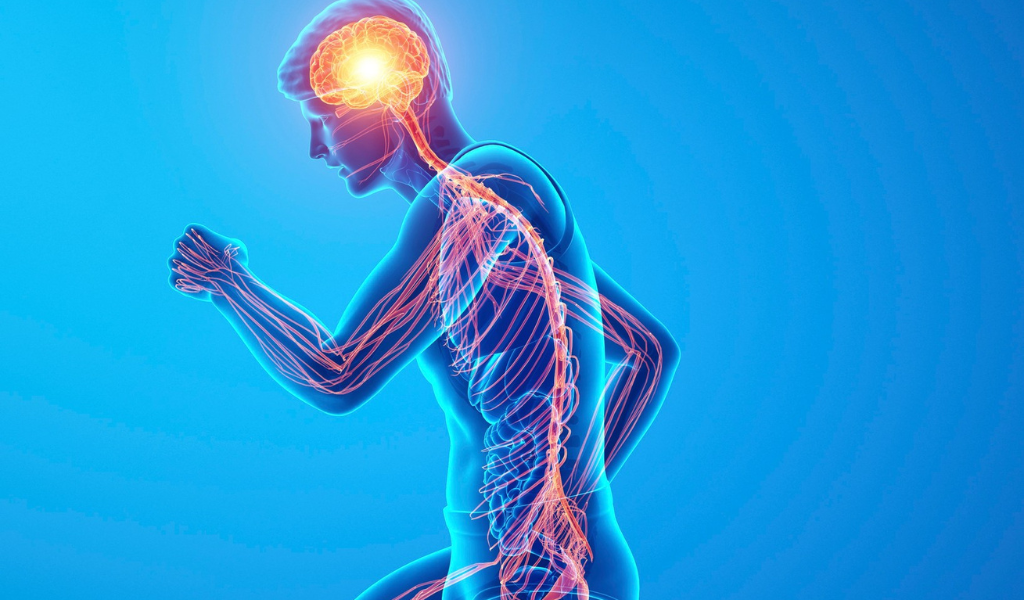
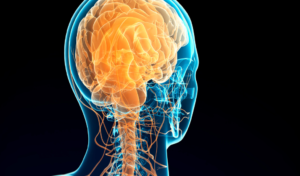 The nervous system is a complex system composed of intricate interconnections between its structures, with retrograde and anterograde conduction and bottom-up/top-down pain inhibition mechanisms. Conduction is enabled by structures such as ion channels, mechanoreceptors, synapses, and so on.
 Specific nerve mobilization exercises: targeted exercises to improve mobility and reduce tension in the involved nerve structures.
 Improved mobility and flexibility: Reduction of neural tension to improve mobility and flexibility.
 Carpal tunnel syndrome: a condition in which the median nerve in the wrist is compressed, leading to tingling and numbness.
 Specialist evaluation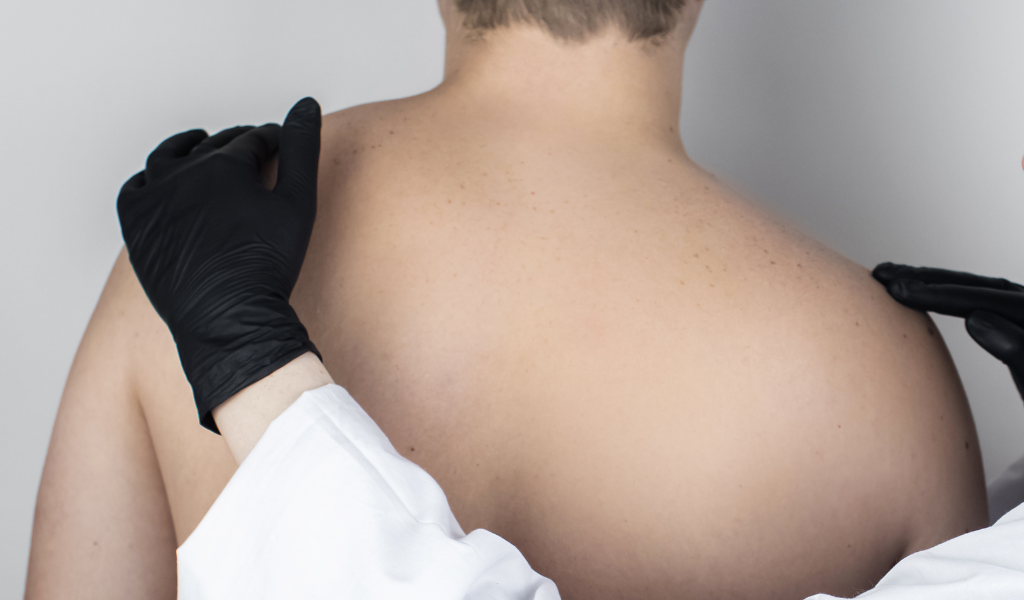
 Postural asymmetry occurs when there are visible or measurable differences between the posture of one part of the body and another. These asymmetries can affect the shoulders, hips, spine, or other parts of the body. Asymmetrical posture can be due to a variety of factors, including postural habits, past injuries, muscle dysfunction, or structural problems.
 Postural asymmetries can have many different causes, including:
 • Muscle pain, often in the lower back, neck and shoulders.
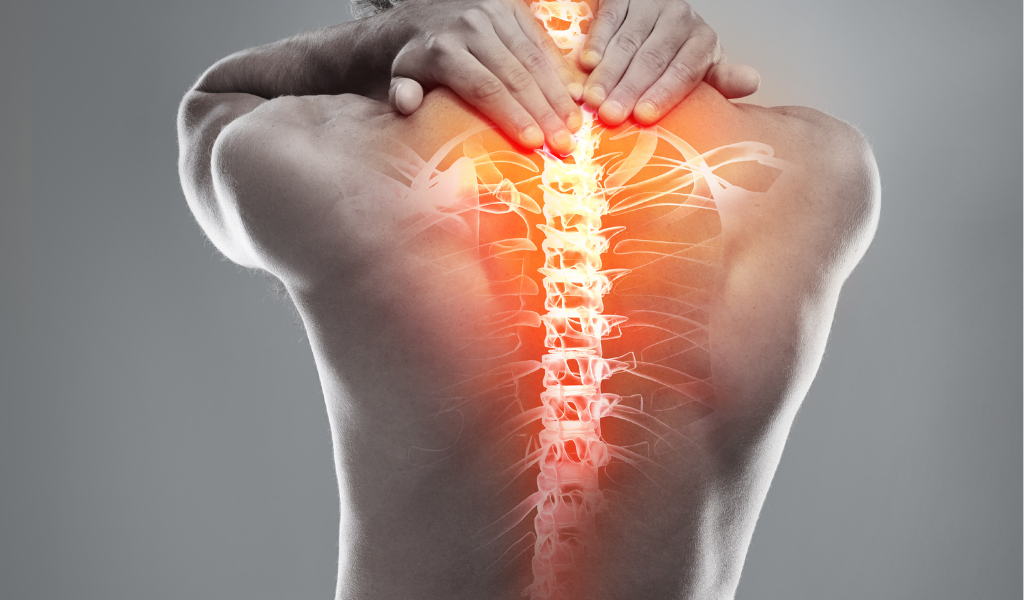
 Incorrect postureMaintaining poor posture during daily activities or at work can put pressure on your back.
 • Localized or diffuse pain in the back.
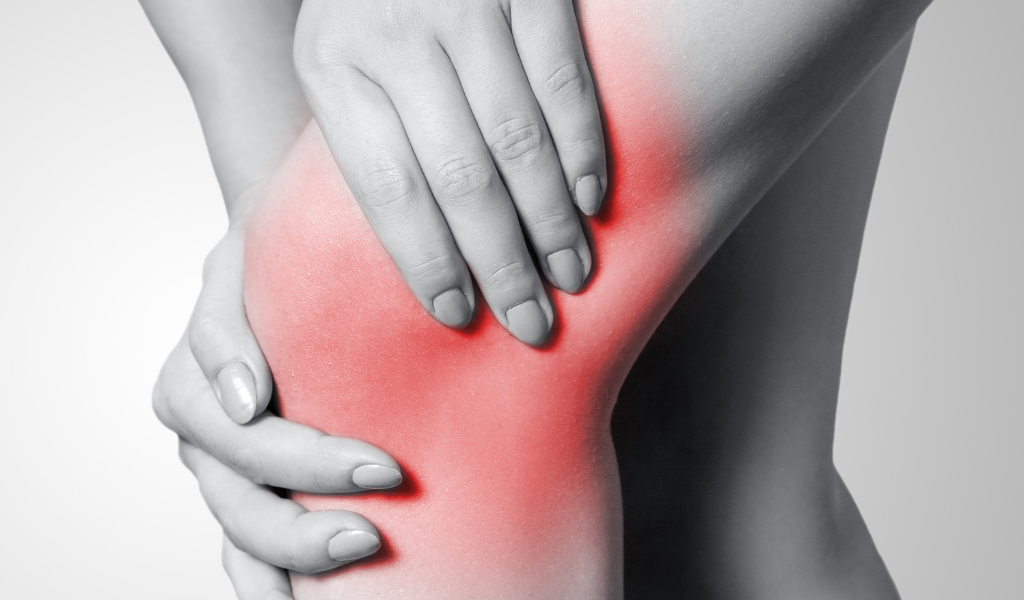
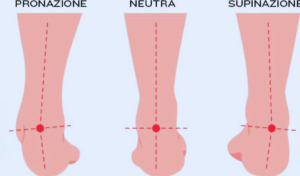 Incorrect squat or deadliftPerforming exercises like squats or deadlifts with incorrect technique can put excessive pressure on the knee joints.
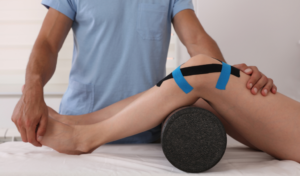 Assess the injury: Identify the cause of the pain and develop a personalized treatment plan.
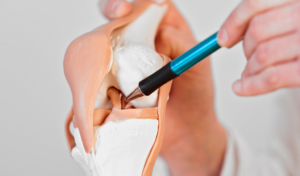 The anterior cruciate ligament (ACL) is a fundamental part of the knee's anatomy, playing a crucial role in stabilizing the joint. However, ACL injuries can occur as a result of sports injuries, falls, or other accidents. The good news is that physical therapy can be a key element in the recovery process, helping patients regain knee function and return to daily activities and sports.
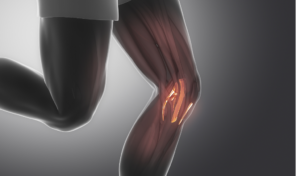 The ACL is one of the four main ligaments in the knee and its function is to prevent excessive anterior slippage of the tibia on the femur and to limit internal rotation of the tibia. It is responsible for preventing excessive movement between the tibia and femur. This ligament is particularly important for knee joint stability during activities that require changes of direction, such as in sports like soccer and skiing, where the knee is subjected to heavy stress. An ACL injury, in the acute phase, can cause instability, pain, and functional limitation of the joint, thus impairing the ability to participate in daily activities. However, the cruciate ligaments are not essential for proper gait; the truly important parameter is joint stability, which is essential during athletic activity.
 ACL injuries most often occur in sports situations involving strong twisting movements or sudden changes in direction. Sports injuries, such as soccer, basketball, and skiing, are often associated with ACL injuries. However, they can also occur in non-sports situations, such as falls or car accidents.
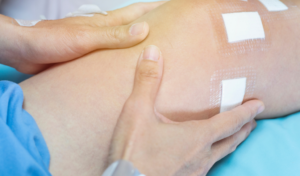 Redness, pain, and decreased range of motion. The physical therapist's initial goal is to reduce these common symptoms in the acute phase, restoring the patient to as normal a condition as possible. This process can sometimes take a month, partly because the initial phase is the most delicate for the patient, both emotionally and in terms of pain perception. The physical therapist can use swelling reduction techniques to improve the patient's comfort.
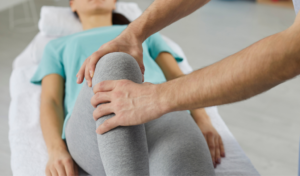 Recover full range of motion in the knee joint. Since the joint requires maximum range of motion to function properly, it is crucial not to leave it incomplete if you want to avoid future discomfort or problems. This second process requires an additional month. The patient will work with a physical therapist to restore full range of motion to the knee. This may include stretching and joint mobilization exercises.
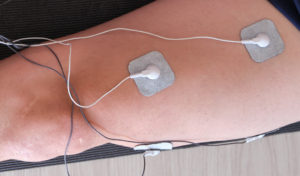 This is when you need to focus on strength. Following any surgical procedure, there is an immediate loss of weight and underlying muscle tone. Electrical stimulation and muscle recruitment must be performed from day one. Good exercise is like medicine: it soothes pain and reduces inflammation, as it stimulates catabolites, oxygenates the tissue through improved blood circulation, and consequently creates an immediate feeling of well-being in the patient.
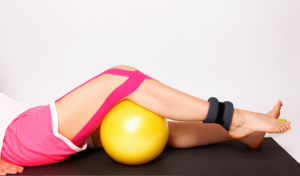 coordination, preparing him for the return to sports or daily activities (another month).