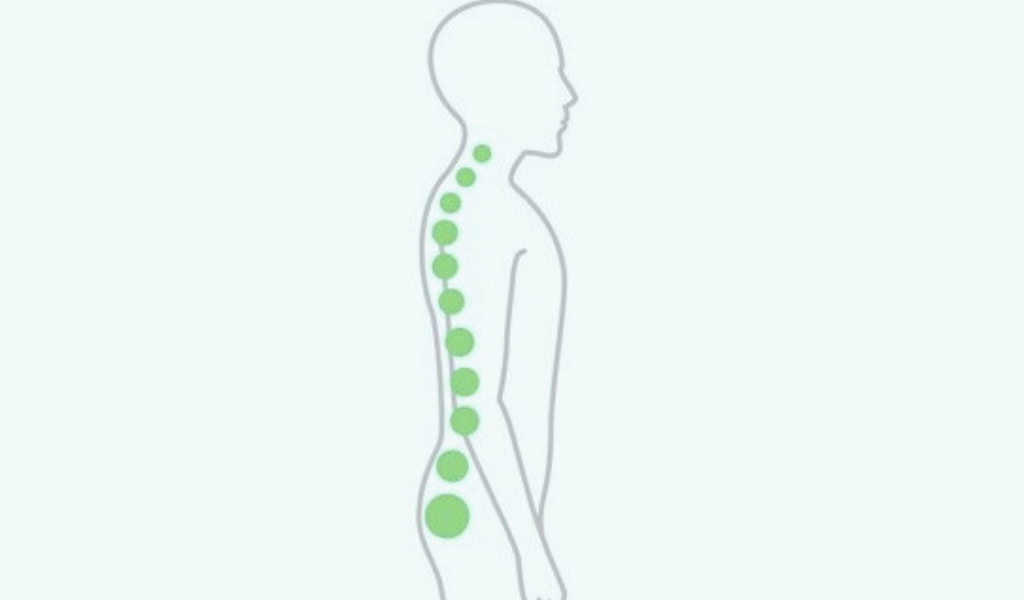

POSTURE IS “THE POSITION OF THE HUMAN BODY IN SPACE”
Static and dynamic posture
 Two types of posture can be defined:
– Static Posture, that is, the one assumed for example while sitting in front of a computer.
– Dynamic Posture, an activity where various factors come into play (neurophysiological, biomechanical, emotional, psychological and relational).
Having good posture is therefore important not only because it makes you feel better but it is also healthy for your muscles, joints, blood circulation and the mind.
There are three useful elements for analyzing posture:
1 spatiality : that is, the relationship of the body in the three axes of space
2 antigravity: that is, the most correct position and with the least energy expenditure that our body assumes under the force of gravity
3 balance : the body in static and dynamic positions assumes a position of equilibrium depending on the environmental stimuli it receives from the outside.
Posture and psychology
 A key point is the relationship between psychology and posture.
Our language is both verbal and nonverbal, and in this regard, our posture is a clear consequence of emotional states, stressful situations, trauma, and antalgic positions in the presence of pain. For example, a very closed and introverted person, perhaps with visceral issues, will certainly have hunched shoulders and a pronounced dorsal kyphosis.
There is no ideal correct posture; each of us has our own posture, which must be as suitable and functional as possible on a static and dynamic level of movement.
Therefore, those who have very sedentary jobs are advised not to prolong the same posture for many hours and to take short breaks by changing positions frequently to avoid experiencing pain caused by a prolonged altered position.


Via Donatello 75
00195 Rome
Tel. (+39) 06 39375719


Mon. – Fri. 8:00 – 20:00
Saturday 8:00 – 14:00

Via Donatello 75
00195 Rome
Tel. (+39) 06 39375719
Mon. – Fri. 8:00 – 20:00
Saturday 8:00 – 14:00