
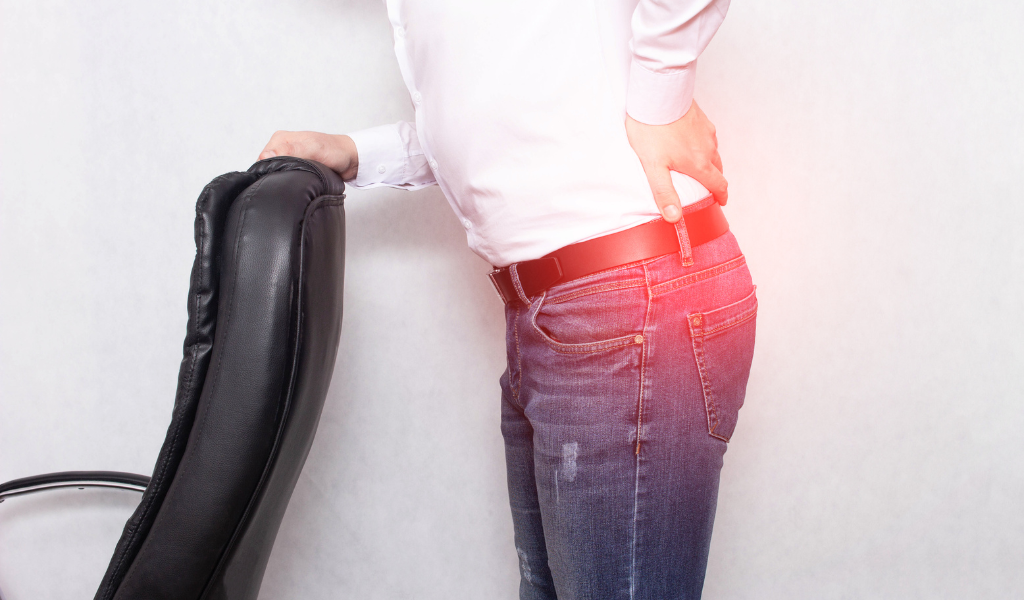
Sciatica It's a painful condition that affects many people, impacting their quality of life and limiting their mobility. Understanding the underlying causes, associated symptoms, and treatment approaches is essential for those seeking relief from sciatica. In this article, we'll explore sciatica from a physical therapy perspective, providing helpful information for those living with this condition.
What is Sciatica?
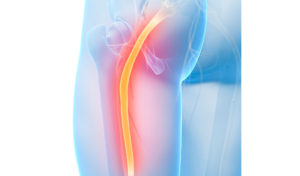 Sciatica refers to pain radiating along the sciatic nerve, the longest and widest nerve in the human body. This nerve extends from the lower back, through the buttocks, and down the back of each leg. Sciatica can manifest as a dull, burning, or sharp pain, often accompanied by tingling or numbness along the nerve's path.
Common Causes of Sciatica
Sciatica can have several causes, including:
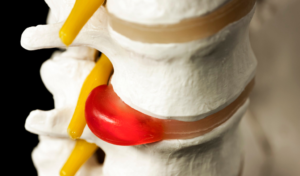 Lumbar Disc Herniation: One of the most common causes, in which the inner material of a spinal disc bulges and compresses the sciatic nerve.
Spinal Stenosis: a narrowing of the spinal canal that can put pressure on the nerve.
Piriformis Syndrome: irritation or compression of the sciatic nerve due to contraction of the piriformis muscle.
Injuries or TraumasAccidents or injuries involving the spine can damage the sciatic nerve.
Symptoms of Sciatica
Typical symptoms of sciatica include:
Pain extending from the lower back down the back of the leg.
Tingling or numbness in the leg or foot.
Weakness muscle in the affected leg.
Increased pain during prolonged sitting or lifting weights.
Therapeutic Approaches in Physiotherapy for Sciatica
Physiotherapy plays a key role in the treatment of sciatica. Therapeutic approaches may include:
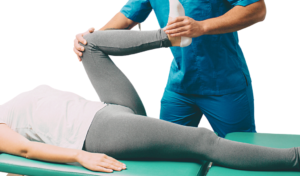 Therapeutic Exercises aimed at strengthening the back muscles and improving flexibility.
Manual Therapies such as therapeutic massage and myofascial release to relieve muscle tension and reduce nerve compression.
Specific stretching focused on the affected area to reduce tension.
Instructions on Correct Postures which can reduce pressure on sciatica.
Heat or cold therapy to reduce inflammation.
Prevention and Continuous Management
Prevention of sciatica may include practices such as maintaining a healthy body weight, adopting correct posture and regular exercise. For those living with chronic sciatica, ongoing management through physiotherapy can help maintain well-being and prevent relapses.
Conclusion

Physiotherapist Andrea Sgambati
Addressing sciatica requires a thorough understanding of its causes and targeted management through the assistance of physiotherapy.If you are experiencing symptoms of sciatica, consult an experienced physiotherapist For a detailed assessment and personalized treatment plan, physical therapy can be a crucial element in your journey to sciatica relief and a return to an active, pain-free life.


Via Donatello 75
00195 Rome
Tel. (+39) 06 39375719


Mon. – Fri. 8:00 – 20:00
Saturday 8:00 – 14:00

Via Donatello 75
00195 Rome
Tel. (+39) 06 39375719
Mon. – Fri. 8:00 – 20:00
Saturday 8:00 – 14:00

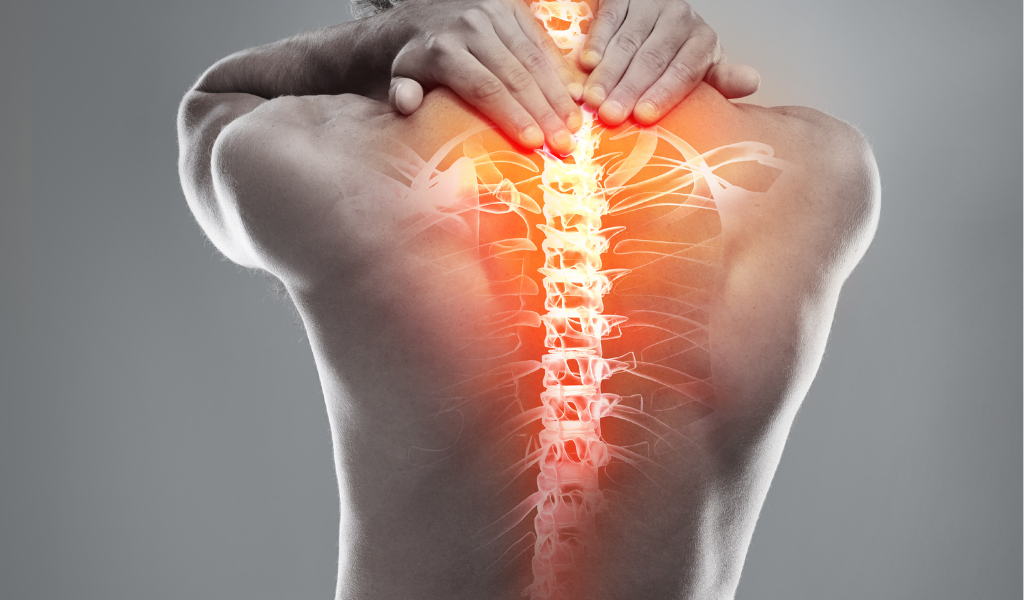
 Incorrect postureMaintaining poor posture during daily activities or at work can put pressure on your back.
 • Localized or diffuse pain in the back.
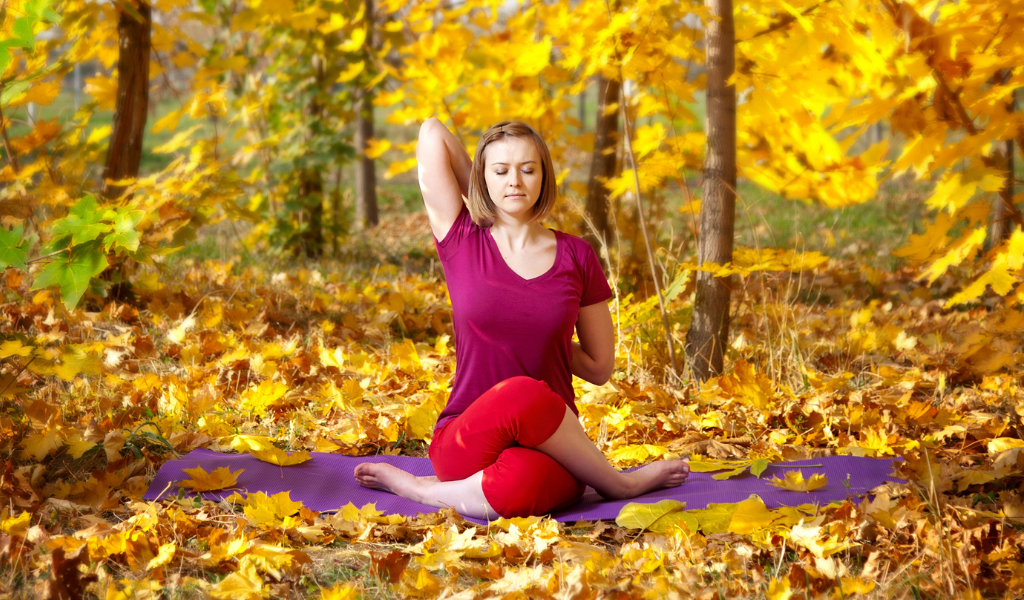
 Correct posture is essential for the general well-being of our body. Poor posture can cause health problems, such as back pain, muscle tension, and joint problems.It also affects our confidence and projection into the environment. Postural Pilates is a highly effective method for improving posture. Through specific exercises, it helps strengthen postural muscles, increasing stability and body alignment.
 Postural Pilates offers a wide range of benefits. One of the main advantages is core strengthening, which includes the abdominal, lumbar, and pelvic muscles.This strengthening helps improve core stability and prevent back problems. Furthermore, postural Pilates promotes flexibility, improving the range of motion of the joints. This can help prevent injuries and improve coordination.
 One of the most striking features of postural Pilates is that it is suitable for all ages and fitness levels. Regardless of your current physical condition, The training program can be customized to meet your specific needs. This makes postural Pilates accessible to everyone, from young to old, from beginners to experienced athletes.
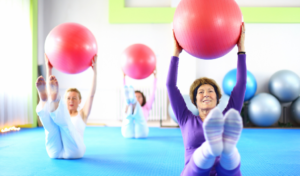 to autumn, offering a fresh start and motivation to adopt healthy habits. Cooler temperatures and shorter days can be an incentive to seek out indoor activities, and postural Pilates is an excellent choice.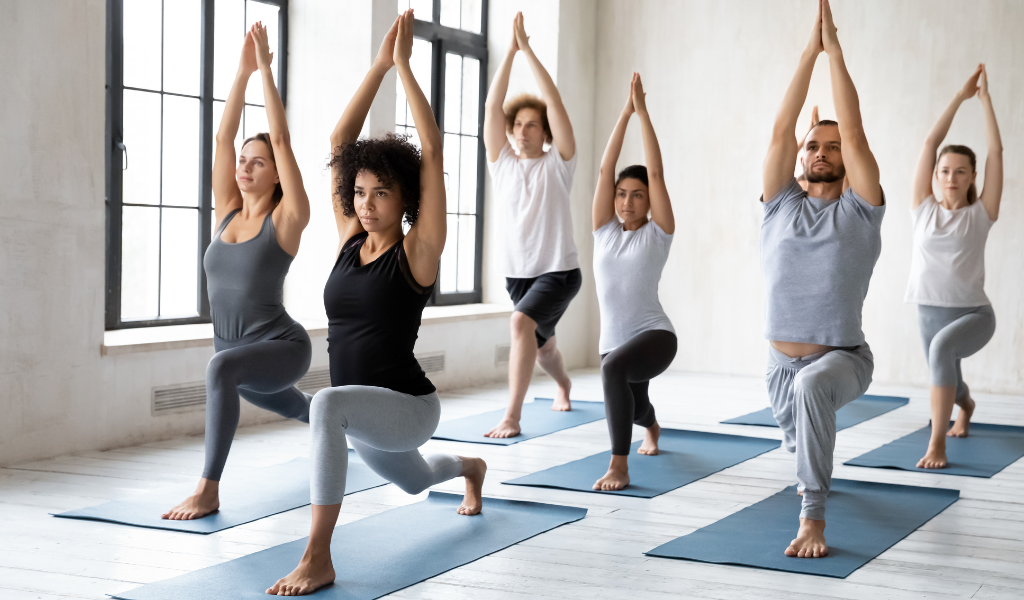
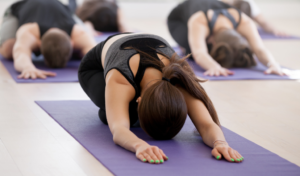
 In our daily lives, we're constantly subjected to excessively static postures due to work, long hours spent sitting, the weight of gravity, and physical strain. All of these factors lead to poor posture, with a hunched back, increased kyphosis, and a vertical position of the cervical or lumbar spine.
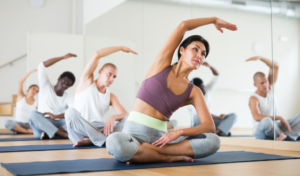 Pilates, with its training method, has the ability to simultaneously strengthen and correct posture, working the back muscles with virtually no risk of injury. Once you follow the correct progression of exercises, your back will undoubtedly become stronger, and a strong back will consequently lead to better posture. Well-trained back and abdominal muscles will allow you to better support your entire torso, leading, class after class, to a naturally upright posture and consequently better posture.
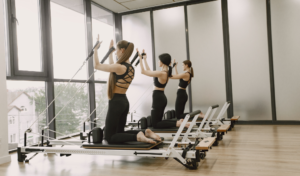 Pilates exercises can be performed free body on the mat with a Pilates matwork, but also with the help of a machine called Reformer This will increase the resistance profiles of the exercises. Furthermore, breathing during the class will further release tension accumulated throughout the day and improve muscle strengthening. Unlike other types of training, in Pilates, each exercise is repeated a few times and performed slowly and with great precision, focusing not on quantity but on the quality of movement.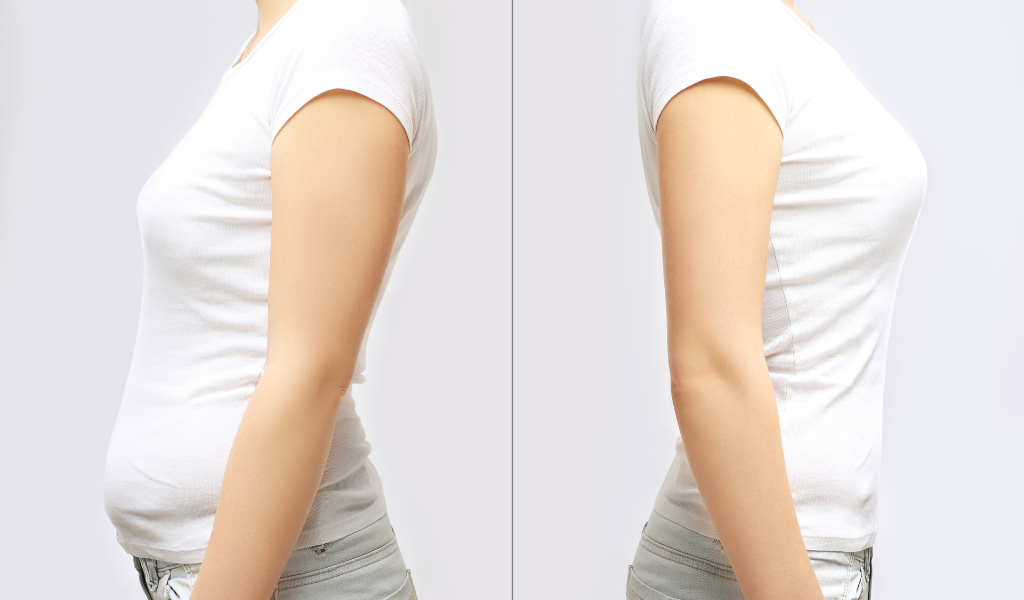
 Posture, postural, or improving posture are often misused. In fact, many physiotherapists specialize in postural issues, despite having done other things in their careers. Without recognized medical qualifications, they create real confusion. Providing sound advice to your patients can be helpful in avoiding future problems and maintaining overall good health. All physiotherapists, at the beginning of their training, study what are known as anatomical points of the body. Using a plumb line, it is possible to identify landmarks on the various planes and axes. All this can be assessed through careful observation of the patient who comes to the office.
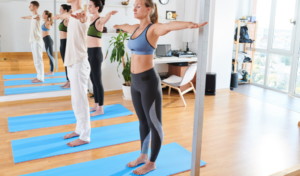 Humans love perfection, as Mother Nature intended, and so a body that moves in synergy and coordination could certainly be much more efficient than one that moves completely uncoordinated. If you lead a sedentary lifestyle with little exercise and therefore harmful behaviors, it would be helpful to minimize them as much as possible. Listen to your body and create a daily routine with some physical activity. If you feel it's appropriate, seek professional help, at least initially; they can correct what we call postural defects. Posture, however, isn't everything! Be careful when medical professionals describe your problem, pain, or defect as a consequence of your posture: everything must be proven, through tests and bodily signals; today we have the tools to understand.
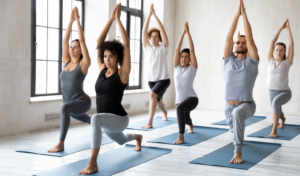 Investing time in posture and proper body use isn't a waste of time, and we can do it in countless ways, including with the help of a professional, who can address both the physical and psychological aspects. Start with very small steps and gradually progress to larger ones. My advice is to exercise in a group, but don't be afraid to do it alone; in fact, this can boost your self-esteem in the future. Find a group that does activities at your level, without any fear, but with the understanding that it's for your well-being and sometimes allows you to overcome unfounded fears and achieve greater self-awareness.
 We're now bombarded with advertisements and salespeople recommending fantastic shoes designed to fit our body's posture. We've often heard that good posture reduces the risk of injury and that a good shoe could be the solution. Unfortunately, or fortunately, such a statement isn't possible today. Spending on shoes cannot be associated with prevention but rather with personal taste. and the sensations we experience and the influence of marketing we are subjected to. However, choosing a trekking or running shoe should be as subjective as possible!
 The clerk, if they're experienced or have a well-stocked store, might ask you to step onto a baropodometric platform, simply to see how you distribute your body weight. Another very useful tool is to ask you to use a treadmill in the store to see how you use your foot and how the load is distributed across your feet and joints.
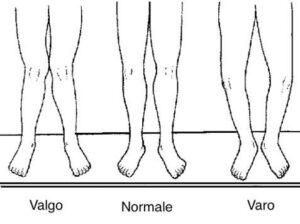 Knowing the characteristics of our support: varus, valgus, arched or not arched plantar arch, It could be helpful in choosing the most suitable footwear for our sporting activity. However, consider that a salesperson doesn't study the human body and its pathologies; they simply offer their experience and draw conclusions based solely on an empirical perspective. Therefore, it's perfect if we want to get recommendations. a shoe that allows us to perform our hobbies or sports to the best of our ability, but we cannot receive advice on preventing injuries such as sprains.
 Many scientific experts also question whether it's worth continually modifying posture when an athlete has actually achieved structural balance. Let's take the example of marathon runner Emil Zatopek, known as the "Human Locomotive": he's won numerous trophies, but he's also famous for his uncoordinated running and a very pronounced arch valgus. Does it make sense to modify the posture of someone who has no PAIN and achieves brilliant results, like this one? The answer is not very.
 The equipment we buy is intended to help us perform our athletic movements better, not to preserve our bodies.The choice is always subjective, so we must consider our characteristics: foot structure and shape, wide or narrow base, taking into account our body weight and our physical preparation.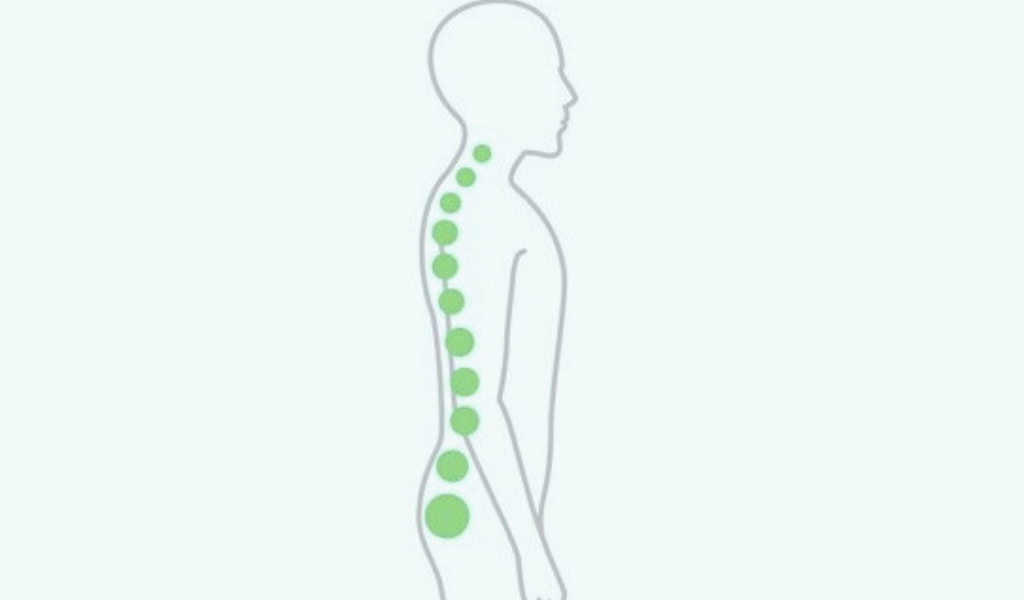
 Two types of posture can be defined:
 A key point is the relationship between psychology and posture.