Tag

Pain

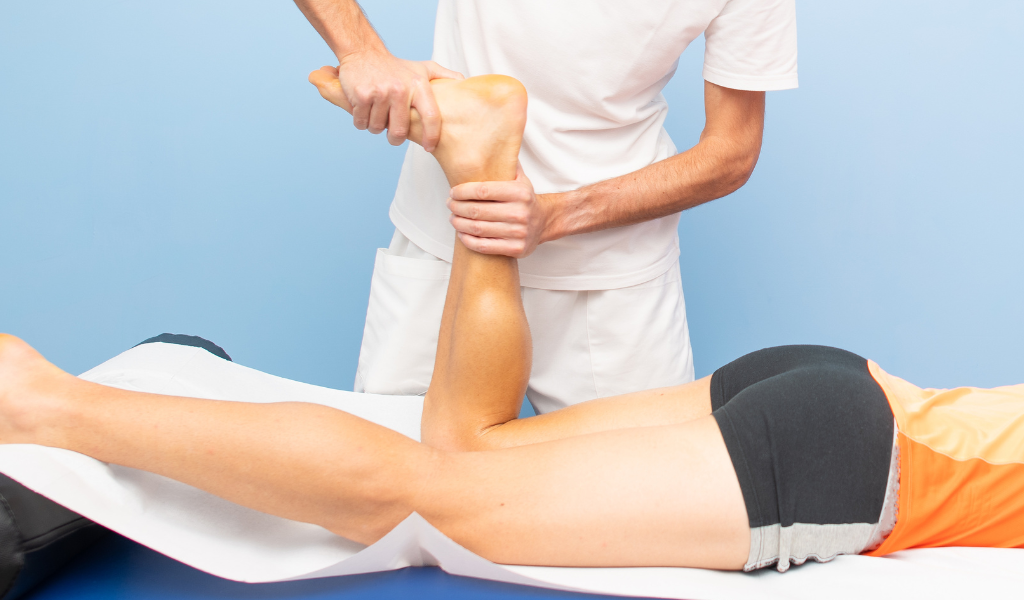
MANUAL THERAPY WITH NEURODYNAMIC TECHNIQUE

Understanding pain and its underlying mechanisms is essential for treating it and preventing it from becoming chronic. The mechanisms underlying pain generated by the nervous system are connected to all the structures it innervates: the vascular system, connective tissue, and the nervous system itself.
It is important to understand the mechanics of the nervous system, or neurodynamics, how the nervous system moves in relation to the structures surrounding it, and how to assess and diagnose nervous system problems in relation to the musculoskeletal system.

The nervous system
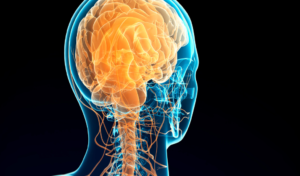
The nervous system is a complex system composed of intricate interconnections between its structures, with retrograde and anterograde conduction and bottom-up/top-down pain inhibition mechanisms. Conduction is enabled by structures such as ion channels, mechanoreceptors, synapses, and so on.


What is neurodynamics?

Neurodynamics is a branch of physical therapy that focuses on the assessment and treatment of neural dysfunction. It involves the study of the dynamics of the nervous system to understand how movements and postures can affect nerve function. The goal is to optimize nervous system health to improve mobility, reduce pain, and promote overall well-being.

How does neurodynamics influence physiotherapy?

In physical therapy, neurodynamics is often used to treat patients with symptoms such as chronic pain, numbness, tingling, or mobility limitations. A physical therapist trained in neurodynamics will assess the patient's nerve function, identifying any restrictions or neural tension. They will then develop a personalized treatment plan that may include:
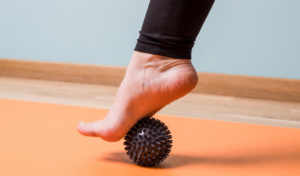
Specific nerve mobilization exercises: targeted exercises to improve mobility and reduce tension in the involved nerve structures.
Manual therapies: manual techniques such as myofascial release or targeted massage to improve nerve function.
Patient education: inform patients about the principles of neurodynamics and how to integrate specific exercises into their daily routine to improve nervous well-being.
Postural and ergonomic changes: tips on how to adopt postures and positions that reduce stress on the nervous system.

Benefits of neurodynamics for the patient

The neurodynamic approach offers several advantages for the patient, including:
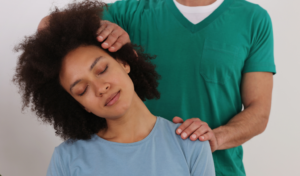
Improved mobility and flexibility: Reduction of neural tension to improve mobility and flexibility.
Pain reduction: Optimizing nerve function can significantly contribute to the reduction of chronic pain.
Prevention of relapses: Patient education on self-management and prevention can reduce the risk of recurrence.
Improving the quality of life: reduction of nervous symptoms to improve overall quality of life.

Conclusion
Physiotherapist Andrea Sgambati

Neurodynamics represents an advanced approach in physiotherapy, focused on the health of the nervous system. If you are experiencing symptoms related to the nervous system or want to optimize your mobility and reduce pain, you may benefit from consulting with a specialized physiotherapist in neurodynamics. This holistic approach can be a valuable resource for improving your nervous health and overall well-being.


Fisio Flaminio - via donatello
PHYSIOFLAMINIO
Via Donatello 75
00195 Rome
Tel. (+39) 06 39375719

Fisio Flaminio - orari apertura
OPENING HOURS
Mon. – Fri. 8:00 – 20:00
Saturday 8:00 – 14:00
Fisio Flaminio - via donatello
PHYSIOFLAMINIO
Via Donatello 75
00195 Rome
Tel. (+39) 06 39375719

Fisio Flaminio - orari apertura
OPENING HOURS
Mon. – Fri. 8:00 – 20:00
Saturday 8:00 – 14:00

© 2023 FISIOFLAMINIO – VAT number 15579551001 – ALL RIGHTS RESERVED.

TINGLING IN THE ARM

Tingling in the arm can be an annoying and worrying symptom that affects many people. This tingling, numbness, or "pins and needles" sensation can have various causes and is often associated with nerve or muscle problems. In this article, we'll explore the possible causes of tingling in the arm, the associated symptoms, and how a physical therapist can help treat and manage this condition.

Common causes of tingling in the arm

Tingling in the arm can arise from several sources, including:
Nerve compressionCompression of a nerve, such as the ulnar nerve or median nerve, can cause tingling in the arm.
Carpal tunnel syndrome: a condition in which the median nerve in the wrist is compressed, leading to tingling and numbness.
Spinal stenosis: a narrowing of the space around the spinal cord can cause nerve compression and tingling in the arm.
Muscle dysfunctionsMuscle problems, such as tension or spasms, can affect blood circulation and cause tingling.
Trauma or injury: Accidents or injuries can damage nerves or tissue, causing tingling.

Symptoms associated with tingling in the arm

Tingling in the arm may be accompanied by other symptoms, including:

• Numbness.
• Burning sensations.
• Muscle weakness.
• Pain.

The role of physiotherapy in treating tingling in the arm

Physiotherapists can play a key role in treating arm tingling. Here's how they can help:
Specialist evaluation: A physical therapist will conduct a thorough assessment to identify the cause of the tingling and develop a personalized treatment plan.
Manual therapies: Use manual therapies, such as therapeutic massage, to reduce muscle tension and improve blood circulation in the affected area.
Therapeutic exercises: prescribe targeted exercises to improve muscle strength and mobility, reducing nerve compression.
Relaxation techniques: teach the patient relaxation techniques to relieve tension and improve circulation.
Patient education: provide information on self-management of tingling and how to avoid movements or postures that may worsen the condition.

Conclusion

Physiotherapist Andrea Sgambati

Tingling in the arm can have various causes, but physiotherapy can be a valuable ally in the treatment and management of this symptom.If you suffer from tingling in your arm, consult an experienced physiotherapistA personalized treatment plan can help you reduce tingling, improve mobility, and prevent further complications. Physical therapy is a valuable resource for managing arm tingling and improving your quality of life.


Fisio Flaminio - via donatello
PHYSIOFLAMINIO
Via Donatello 75
00195 Rome
Tel. (+39) 06 39375719
Fisio Flaminio - orari apertura
OPENING HOURS
Mon. – Fri. 8:00 – 20:00
Saturday 8:00 – 14:00

Fisio Flaminio - via donatello
PHYSIOFLAMINIO
Via Donatello 75
00195 Rome
Tel. (+39) 06 39375719
Fisio Flaminio - orari apertura
OPENING HOURS
Mon. – Fri. 8:00 – 20:00
Saturday 8:00 – 14:00

© 2023 FISIOFLAMINIO – VAT number 15579551001 – ALL RIGHTS RESERVED.

KNEE PAIN DURING EXERCISE

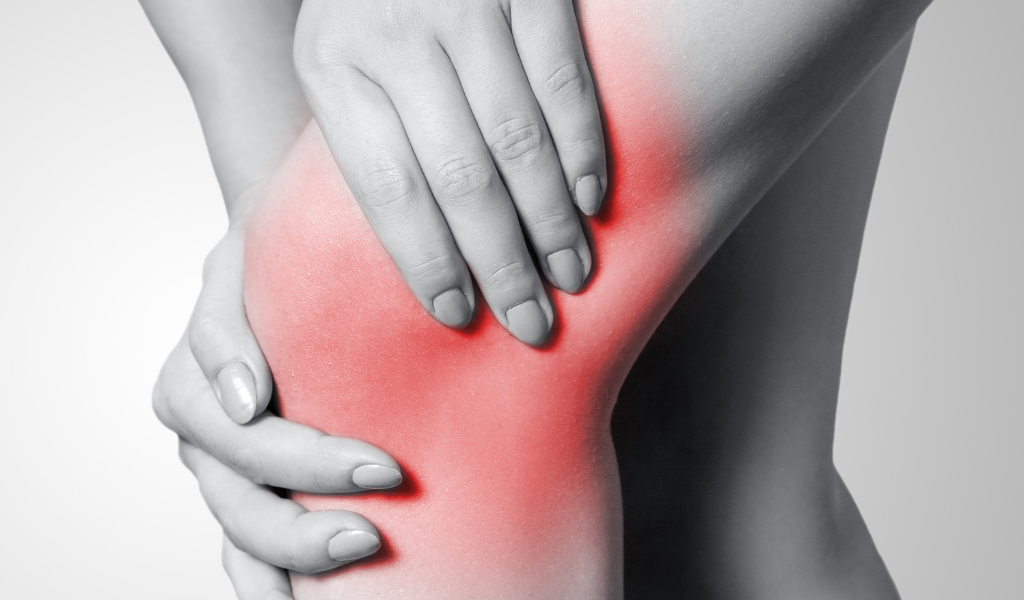
Exercise is an essential component of a healthy lifestyle, but nothing can put a stop to your routine faster than knee pain. Knee pain during exercise can be frustrating and discouraging, but understanding the causes and solutions can help you overcome this obstacle. In this article, we'll examine the possible causes of knee pain during exercise, preventative measures, and how physical therapy can play a crucial role in recovery and prevention.

Common causes of knee pain during exercise

Knee pain during exercise can result from:
Overload: Overusing your knee without proper rest can cause injury and inflammation.
Incorrect squat or deadliftPerforming exercises like squats or deadlifts with incorrect technique can put excessive pressure on the knee joints.
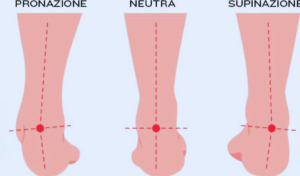
Overpronation or supination of the foot: Foot posture problems can affect the way your knee moves during training.
Previous injuries: Past knee injuries increase the risk of recurring pain.
Limited flexibility: Lack of muscle and joint flexibility can cause tension and stress on the knee.

Preventing knee pain during exercise

Prevention is often the key to avoiding knee pain during exercise. Here are some preventative measures:
Proper warm-up: Make sure you warm up before every workout to prepare your muscles and joints.
Correct technique: Learn the correct technique for the exercises and ask a qualified instructor for advice.
Gradual progression: Gradually increase the intensity and load of the exercises to avoid overload.
Adequately cushioned shoes: Choose proper training shoes that support your feet and knee joints.
Improves flexibility and mobility: Include stretching and mobility exercises in your routine to keep your muscles and joints flexible.

The role of physiotherapy in recovery and prevention

When knee pain occurs, physiotherapy can be the ideal solution. An experienced physiotherapist can:
Assess the injury: Identify the cause of the pain and develop a personalized treatment plan.
Provide manual therapies: use manual therapies to reduce pain and inflammation.
Strengthening exercises: prescribe targeted exercises to strengthen the muscles surrounding the knee.
Patient education: teach the patient prevention techniques and ways to avoid future injuries.


In conclusion, Knee pain during exercise is a problem Common but manageable. Prevention through good exercise practices is essential, but if pain occurs, don't hesitate to consult an experienced physical therapist. Physiotherapy It can help you recover, improve your posture and prevent future injuries, allowing you to return to your workout routine safely and pain-free.

Fisio Flaminio - via donatello
PHYSIOFLAMINIO
Via Donatello 75
00195 Rome
Tel. (+39) 06 39375719
Fisio Flaminio - orari apertura
OPENING HOURS
Mon. – Fri. 8:00 – 20:00
Saturday 8:00 – 14:00

Fisio Flaminio - via donatello
PHYSIOFLAMINIO
Via Donatello 75
00195 Rome
Tel. (+39) 06 39375719
Fisio Flaminio - orari apertura
OPENING HOURS
Mon. – Fri. 8:00 – 20:00
Saturday 8:00 – 14:00
© 2023 FISIOFLAMINIO – VAT number 15579551001 – ALL RIGHTS RESERVED.

THE PAIN

The pain

Pain is a mechanism of the human body that is still extensively studied and not fully understood, and for this reason it deserves our attention.  Pain is not a symptom, but an unpleasant experience of our body.
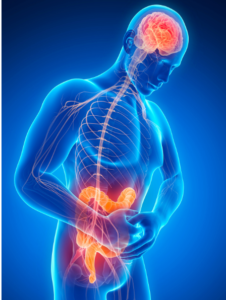

In 2020, the IASP “international association for the study of pain” defined pain “an unpleasant sensory and emotional experience associated or appearing to be associated with actual or potential tissue damage.”

So pain isn't just an unpleasant experience, but also includes other elements such as sensations and emotions. This suggests that it's possible to feel pain even without actual injury.

The individuality of pain

Pain is a process our brain makes, it warns us that something is wrong inside our body. It's not necessarily associated with actual damage, so all the emotions and sensations we experience are completely subjective and personal. It's impossible to attribute the same painful symptoms to everyone; each of us will have a different and individual response. But why all this?

Pain is a hedonic experience, always personal and entirely individual. Two people with the same problem experience different pain situations, influenced by different factors. It's a mistake to underestimate or minimize the patient's sensations. The perception of pain is always real, so all the patient's bio-psycho-social aspects must be taken into consideration.

Pain is a multidimensional experience—sensory and emotional—and the nociceptive system alone cannot explain it. Pain isn't written in nerve conduction, nor in the thalamus, but in the individual.

Pain is not just something we feel in our bodies but something we experience deep within our souls.

Perception of pain

I want to give you some tangible examples of how pain can behave in people.

A few years ago an Australian surfer was attacked by a shark, losing a leg. The surfer reported never having felt pain, neither during the shark attack nor afterward in the hospital. This explains how the processing of painful information was individual. Probably because, in shock, the person did not focus on the pain, but on other sensations unknown to us. We are still talking about rare, but real, events. Another, more common example is phantom limb disease, where the patient reports pain in an area of the body that is no longer present, as in war veterans and children who lost their legs to landmines. These patients report precise and tangible pain, for example, describing in detail the sensation in their fingers even though they no longer have the anatomical structure that connects them to the painful sensation.
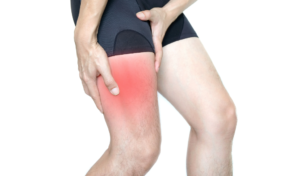
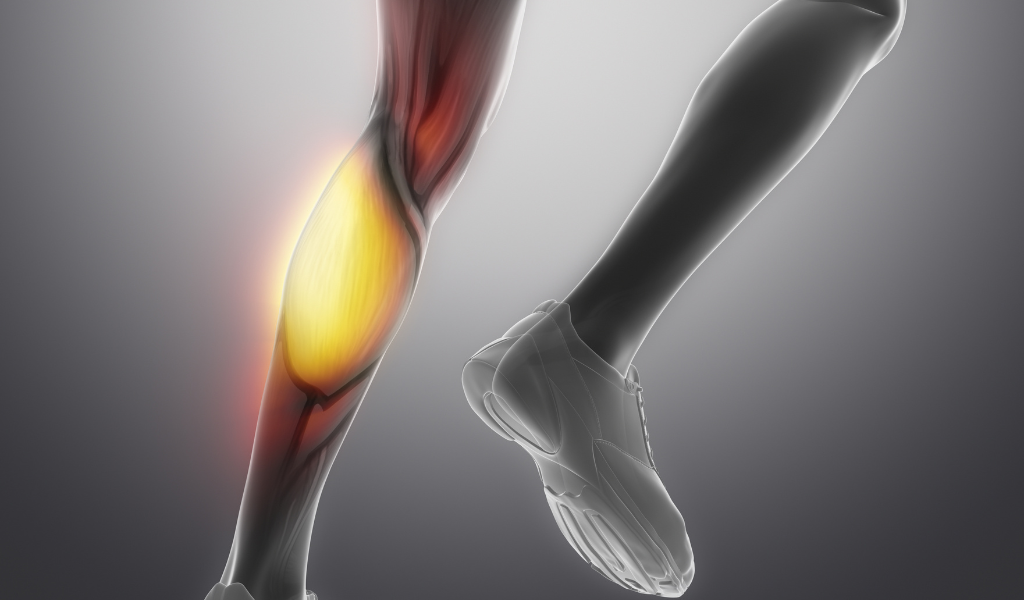
Muscle Pain

All this leads us to reflect that in many patients, for example with muscle painPain does not always come from easily recognizable structures, it often derives from more complex factors, not attributable to just one structure.

Even in athletes, pain is associated with tissue damage, as if it were a simple and precise equation. However, we often have patients complaining of muscle pain, who, diagnostically, appear to be "as fit as a fiddle." The patient expects us to provide a clear and specific explanation of the problem, when in reality we can simply offer a series of hypotheses.
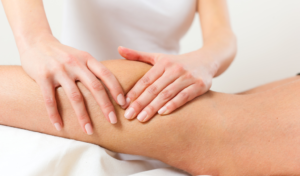
This chapter on pain should not confuse or raise doubts in the reader, but rather aims to help understand how complex some mechanisms of the human body are and how only a multifactorial approach can help the patient, especially in the long term.

What therapies should be used to relieve muscle pain?

Physiotherapy together with manual therapy, must investigate the mechanisms affecting the patient, carefully assessing whether the associated problem has a specific or undefined origin. Muscle pain affects a large portion of the population, and the common feeling is that of seeking treatment to eliminate the symptom.

There are many instruments that therapists can use, let's always remember to evaluate The patient's needs and the origin of the problem should be carefully considered. Simply engaging with the pain and the painful symptom is a first form of attention that the patient will surely perceive as pleasant. Therefore, simple therapies aimed at eliminating the perception of pain at its source should never be underestimated.

Fisio Flaminio - via donatello
PHYSIOFLAMINIO
Via Donatello 75
00195 Rome
Tel. (+39) 06 39375719
Fisio Flaminio - orari apertura
OPENING HOURS
Mon. – Fri. 8:00 – 20:00
Saturday 8:00 – 14:00
Fisio Flaminio - via donatello
PHYSIOFLAMINIO
Via Donatello 75
00195 Rome
Tel. (+39) 06 39375719
Fisio Flaminio - orari apertura
OPENING HOURS
Mon. – Fri. 8:00 – 20:00
Saturday 8:00 – 14:00
© 2023 FISIOFLAMINIO – VAT number 15579551001 – ALL RIGHTS RESERVED.

MASSOTHERAPY

What is massage therapy?

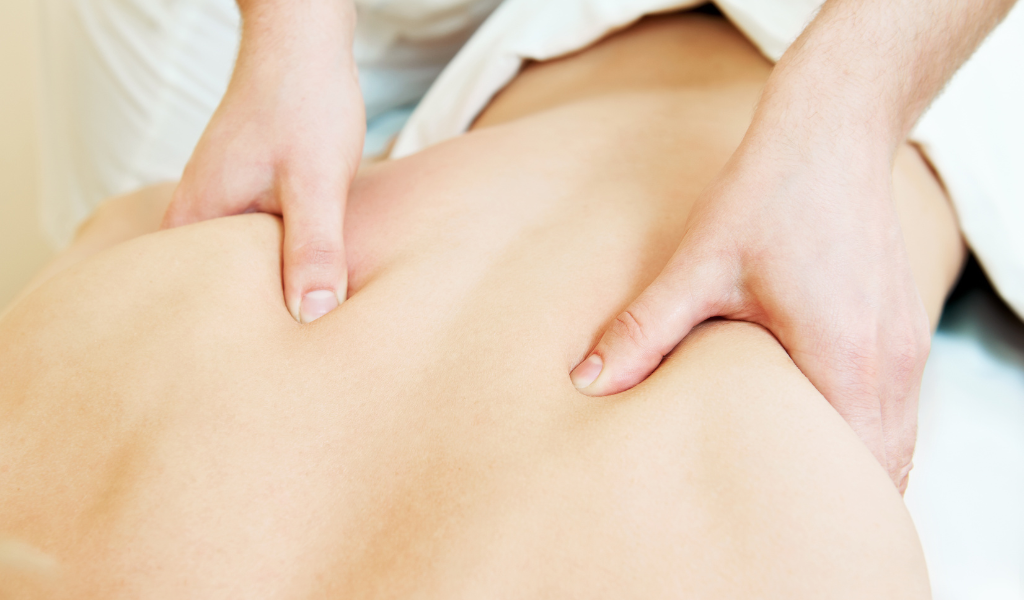
There massage therapy it's a manual technique basic therapy used by a physiotherapist to alleviate or reduce the symptoms of some pathologies of the musculoskeletal system.


When it is used

There massage therapy It is applied to patients who have muscle contractures, muscle injuries, tension on the band And myofascial painMassage is performed on muscle or tendon structures and is one of the many healing therapies used in the rehabilitation field.. People often get confused by comparing a physiotherapist to a massage therapist, when in fact there is a big difference. A physiotherapist is a graduate in the medical field, specialized in rehabilitation, so massage therapy is one of the first techniques that this professional must know.


Pathology evaluation

Massage therapy, performed with proper care, can relieve pain or reduce myofascial tension, but it cannot cure conditions that originate outside of the muscle. Indeed, to treat common conditions such as lumbago, neck pain, tendinitis, or inflammation, a thorough assessment of the patient is essential to determine whether massage therapy is the most appropriate technique. Therefore, to help our patients with massage techniques, it is essential to understand whether the pain is directly related to a muscle problem. If the condition or dysfunction originates elsewhere, the patient would likely need to combine massage with another therapy. Indeed, many conditions require a multifactorial approach, where the patient and their pain must be at the center of our rehabilitation process.


Reducing pain and stress with massage

Massage therapy in fact plays a fundamental role even for those structures that are not on the surface and therefore in contact with the therapist's hands, for example all those situations psychosomatic that affect the patient. Pain is a concept that must be carefully studied, and massage therapy can be truly effective for many reasons. Massage is often perceived by patients as pleasant, even if "painful," because it's seen as a moment of escape, where the patient is the center of attention.

Many people feel the need to reduce stress, and massage aims to promote physical health and well-being, including our psychophysical well-being. One of its most interesting effects is the stimulation of the secretion of endorphins, chemicals produced by our brain that have powerful analgesic and muscle-relaxing properties. The pain signal felt by the patient is modulated by the mechanical stimulation of the body's receptors, reducing the sensation of pain, tension, or discomfort.


Improved blood circulation

Let's not forget all the other functions massage therapy can have and what it can encompass. For example, the lymphatic system is a body system that benefits from this treatment.
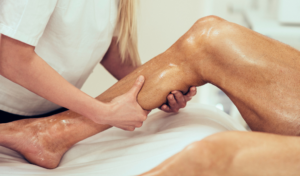
Through massage, we improve blood circulation, increase the supply of oxygen to the cells and therefore nutrients to the affected tissues. Massage promotes the lymphatic drainage and the elimination of all catabolites or waste substances.

Cellulite And the retentionnor water These are conditions that often require massage therapy, where the only major difference lies in the method of delivery. That is, where there is a lymphatic or circulatory problem, the stimulation must be much gentler and more superficial, compared to a muscular problem, such as a contracture, where stimulation can be even deeper.


For athletes

One of the key variables is the speed of application. It's a simple equation: the faster the technique, the more activating the system involved will be; the slower it is, the less stimulation will be achieved. Indeed, it's crucial to evaluate the patient before starting treatment and determine if there are any significant contraindications.

The athletes for example they often need a cycle of massage therapy, in fact in agreement with the therapist, some treatments are performed activating massages, so fast, before a competition or myo-relaxants (slow), following a race or sporting activity, to reduce muscle tension or discomfort.


In short, everything requires an excellent knowledge of the subject, including anatomy, physiology, pathophysiology, the practitioner's empirical experience, empathy, manual dexterity, and all those skills necessary to best help the patient. Within the practitioner's remit, patient assessment remains the first priority. A good assessment is more important than a well-executed technique, because If the therapist understands the origin of the problem, treating the patient becomes easier.

Fisio Flaminio - via donatello
PHYSIOFLAMINIO
Via Donatello 75
00195 Rome
Tel. (+39) 06 39375719
Fisio Flaminio - orari apertura
OPENING HOURS
Mon. – Fri. 8:00 – 20:00
Saturday 8:00 – 14:00
Fisio Flaminio - via donatello
PHYSIOFLAMINIO
Via Donatello 75
00195 Rome
Tel. (+39) 06 39375719
Fisio Flaminio - orari apertura
OPENING HOURS
Mon. – Fri. 8:00 – 20:00
Saturday 8:00 – 14:00
© 2023 FISIOFLAMINIO – VAT number 15579551001 – ALL RIGHTS RESERVED.