
The pain
 Pain is a mechanism of the human body that is still extensively studied and not fully understood, and for this reason it deserves our attention. Pain is not a symptom, but an unpleasant experience of our body.
In 2020, the IASP “international association for the study of pain” defined pain “an unpleasant sensory and emotional experience associated or appearing to be associated with actual or potential tissue damage.”
So pain isn't just an unpleasant experience, but also includes other elements such as sensations and emotions. This suggests that it's possible to feel pain even without actual injury.
The individuality of pain
Pain is a process our brain makes, it warns us that something is wrong inside our body. It's not necessarily associated with actual damage, so all the emotions and sensations we experience are completely subjective and personal. It's impossible to attribute the same painful symptoms to everyone; each of us will have a different and individual response. But why all this?
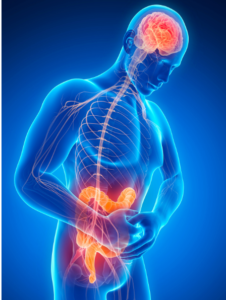
Pain is a hedonic experience, always personal and entirely individual. Two people with the same problem experience different pain situations, influenced by different factors. It's a mistake to underestimate or minimize the patient's sensations. The perception of pain is always real, so all the patient's bio-psycho-social aspects must be taken into consideration.
Pain is a multidimensional experience—sensory and emotional—and the nociceptive system alone cannot explain it. Pain isn't written in nerve conduction, nor in the thalamus, but in the individual.
Pain is not just something we feel in our bodies but something we experience deep within our souls.
Perception of pain
I want to give you some tangible examples of how pain can behave in people.
A few years ago an Australian surfer was attacked by a shark, losing a leg.  The surfer reported never having felt pain, neither during the shark attack nor afterward in the hospital. This explains how the processing of painful information was individual. Probably because, in shock, the person did not focus on the pain, but on other sensations unknown to us. We are still talking about rare, but real, events. Another, more common example is phantom limb disease, where the patient reports pain in an area of the body that is no longer present, as in war veterans and children who lost their legs to landmines. These patients report precise and tangible pain, for example, describing in detail the sensation in their fingers even though they no longer have the anatomical structure that connects them to the painful sensation.
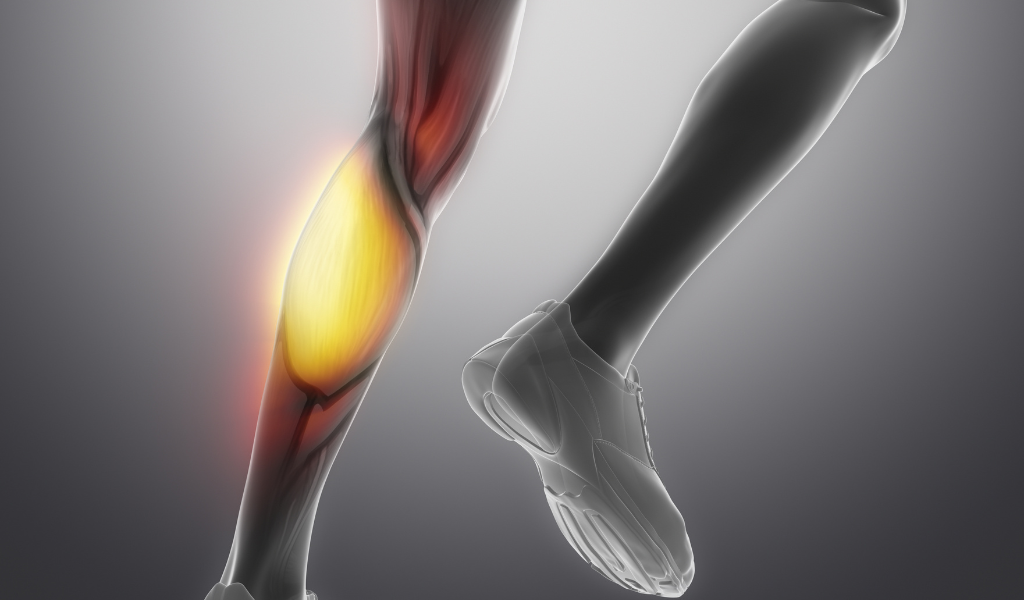
Muscle Pain
All this leads us to reflect that in many patients, for example with muscle painPain does not always come from easily recognizable structures, it often derives from more complex factors, not attributable to just one structure.
 Even in athletes, pain is associated with tissue damage, as if it were a simple and precise equation. However, we often have patients complaining of muscle pain, who, diagnostically, appear to be "as fit as a fiddle." The patient expects us to provide a clear and specific explanation of the problem, when in reality we can simply offer a series of hypotheses.
This chapter on pain should not confuse or raise doubts in the reader, but rather aims to help understand how complex some mechanisms of the human body are and how only a multifactorial approach can help the patient, especially in the long term.
What therapies should be used to relieve muscle pain?
 Physiotherapy together with manual therapy, must investigate the mechanisms affecting the patient, carefully assessing whether the associated problem has a specific or undefined origin. Muscle pain affects a large portion of the population, and the common feeling is that of seeking treatment to eliminate the symptom.
There are many instruments that therapists can use, let's always remember to evaluate The patient's needs and the origin of the problem should be carefully considered. Simply engaging with the pain and the painful symptom is a first form of attention that the patient will surely perceive as pleasant. Therefore, simple therapies aimed at eliminating the perception of pain at its source should never be underestimated.


Via Donatello 75
00195 Rome
Tel. (+39) 06 39375719


Mon. – Fri. 8:00 – 20:00
Saturday 8:00 – 14:00

Via Donatello 75
00195 Rome
Tel. (+39) 06 39375719
Mon. – Fri. 8:00 – 20:00
Saturday 8:00 – 14:00