

Muscle activity
Physical activity is important, but so is recovery and the way we rest. There are many forms of rest and many considerations we must take into account.
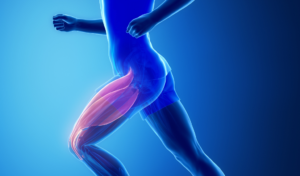 First, we're talking about rest after a workout or a competitive sport. Whether the workout is intense or not, muscle tissue is always involved, so it requires a certain amount of rest to allow it to regenerate. After activity, the muscle suffers actual tissue damage, which also explains post-exercise soreness. Muscles also undergo metabolic stress, and a break allows for the formation of new cells and therefore muscle growth, a real increase in sarcomeres on the fascia.
Let us always remember that the more balanced the stimulus our body receives, the better it will respond to the adaptation phase. If the stimulus is excessive or exceeds the tolerance threshold, there may be a high risk of injury.
Post-exercise recovery
Personalized and balanced recovery, based on some important characteristics such as our training level, our age, our general condition, allows us to avoid further injuries or functional damage resulting from overloading the structure.
Proper recovery also allows us to re-establish hormonal balance and therefore the energy reserves needed to maintain good health. However, there are various types of recovery we can undertake, and the body responds differently, depending on the initial condition.
The fast recovery It occurs immediately after training with the aim of restoring the body's metabolic condition.
Short-term recovery It occurs in the hours following activity. The body attempts to repair damaged muscle tissue for up to 48 hours.
Medium-term recovery It's the state where the body adapts and reaches a threshold of preparedness determined by the exercise performed. Regeneration occurs, thus improving performance. It continues in the following weeks.
 Passive recovery It should occur primarily at night. The body and mind are completely rested. The brain is the essential control source for every reaction within our body and requires a specific amount of time to restore its basic functions so it can function as efficiently as possible. At least 7-8 continuous hours are necessary, and this is perhaps the most important recovery of all. When we sleep well, our entire body and mind benefit.
 Active recovery (here we open a very important and debated chapter) falls within the concepts of rehabilitation and return to physical activity. If we consider a muscle that has been trained, and therefore partially injured, active recovery is necessary to promote functional memory in a specific tissue. Therefore, low-intensity exercise increases vascularization and consequently tissue regeneration. It is important to stimulate the tissue, for example with preparatory exercises for the specific activity.
 The massage This is another very good type of recovery, designed to eliminate all catabolites and promote metabolites. It's useful for relaxing tense muscles and promotes the continued release of endorphins, which are beneficial for the body.
Rest capacity
There are elements that can influence our ability to rest.
- The power supply, or an adequate intake of macronutrients such as carbohydrates, vitamins, healthy fats and proteins, are essential for optimal muscle recovery. Proteins promote muscle protein synthesis and the repair of degenerated tissue. Carbohydrates fuel the body and provide the energy needed to perform any activity.
 Activity is our "fuel." A balance of these nutrients, including healthy fats and vitamins, allows us to enjoy good overall health and thus the possibility of living a healthier life.
- Hydration It's a fundamental part of our nutrition. Being composed primarily of water, our tissues require constant hydration.
- Stress It's a factor that affects everyone. High levels of physical and mental stress can negatively impact any type of recovery, including muscle recovery. Chronic stress increases cortisol levels, a hormone that can hinder muscle protein synthesis, so managing stress becomes crucial to promoting recovery from exercise.
- Load and recovery time management: Excessive load can lead to a high risk of injury. A balanced training program, tailored to the individual and the type of physical activity, is essential. Recovery times and loads should be introduced as gradually as possible.
In conclusion: It's impossible to control everything, manage all the possible variables, but today we have the right tools to ensure adequate rest. Rest is essential post-workout, and we now know which variables can influence our condition. We must always consider our starting situation, which will be different from everyone else's. These guidelines will certainly be useful for maintaining a healthy lifestyle and training to the best of our ability, significantly reducing the risk of injury.


Via Donatello 75
00195 Rome
Tel. (+39) 06 39375719


Mon. – Fri. 8:00 – 20:00
Saturday 8:00 – 14:00

Via Donatello 75
00195 Rome
Tel. (+39) 06 39375719
Mon. – Fri. 8:00 – 20:00
Saturday 8:00 – 14:00