Tag

Physiotherapy

AQUATIC PHYSIOTHERAPY AND POOL REHABILITATION

Physiotherapy

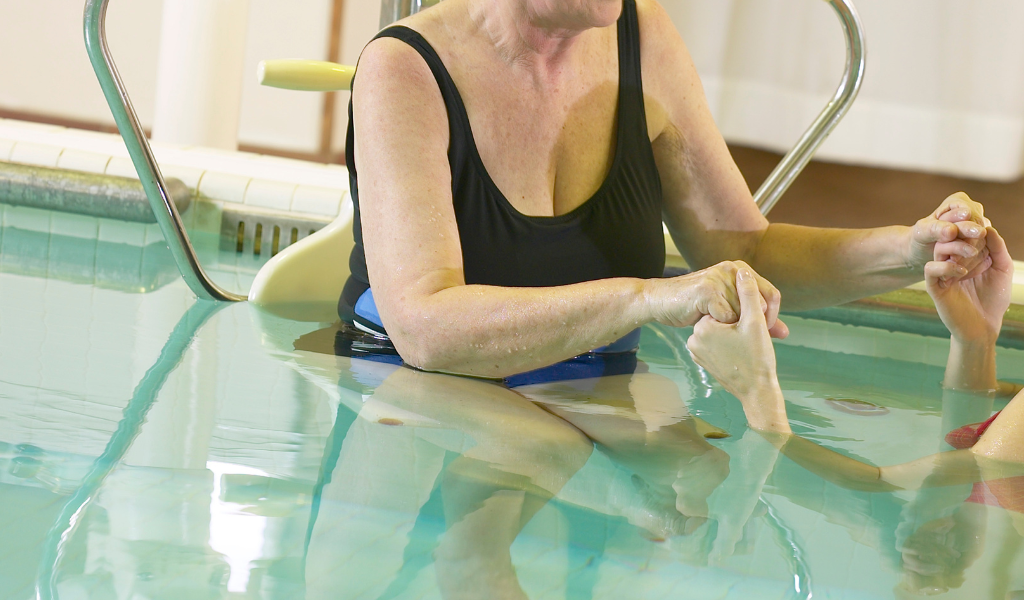
Physiotherapy is a branch of medicine that aims to restore patients to a normal state following trauma, illness, or surgery. Rehabilitation can be performed in a private practice or clinic, equipped with treatment tables, a gym, and a designated exercise area, or in water, or even better, in a fully equipped pool.


Water physiotherapy
Since there is no gravity in water, we don't perceive our body weight. Therefore, patients with functional limitations, obesity, or simply advanced age will be able to feel more independent in an environment like a pool or the sea. In fact, in water, we perceive that some seemingly difficult movements can become easier, thanks in part to the buoyancy that will lift us upward.


Pathologies most suitable for aquatic physiotherapy

Cardiovascular and respiratory conditions are certainly the most beneficial because blood circulation, breathing rate, and movement are facilitated, allowing those unaccustomed to physical activity to move more easily. However, in water, we encounter resistance that can be used to train or rehabilitate the body. It helps us stay afloat, allows us to be aware of the surrounding space, and therefore trains our coordination and body awareness.


Post-surgery physiotherapy
Water's resistance can be exploited to create and invent a variety of exercises aimed at strengthening muscles. For example, following lower limb surgery, patients lose their independence and the ability to walk, so water can be an excellent tool for re-educating patients to return to this physiological activity. The important message is not to recommend aquatic physiotherapy as a fundamental part of the rehabilitation process; rather, we must be aware that, as terrestrial animals, accustomed to gravity, we need to rehabilitate in our natural habitat.

If post-surgical physiotherapy were performed entirely in water, the patient might experience difficulties, for example, when returning to a sporting activity outside of the water. If the opposite were true, there would be no harmful consequences, but modern physiotherapy thinking does not suggest any contraindications to aquatic physiotherapy, but rather guidelines that should be followed as much as possible. Therefore, a hypothetical patient could easily complete part of their rehabilitation in water without experiencing any consequences.


Water physiotherapy, we recommend:

  • Check that the pathology that afflicts us is suitable for aquatic rehabilitation.
  • Do a comorbidity check
  • Have no open wounds or post-surgical stitches
  • Have no acute infections or inflammations
  • Walk in deep water if you have obesity, a sedentary lifestyle, swollen ankles, impaired venous return, cardiovascular, and respiratory problems.
Fisio Flaminio - via donatello
PHYSIOFLAMINIO
Via Donatello 75
00195 Rome
Tel. (+39) 06 39375719

Fisio Flaminio - orari apertura
OPENING HOURS
Mon. – Fri. 8:00 – 20:00
Saturday 8:00 – 14:00
Fisio Flaminio - via donatello
PHYSIOFLAMINIO
Via Donatello 75
00195 Rome
Tel. (+39) 06 39375719

Fisio Flaminio - orari apertura
OPENING HOURS
Mon. – Fri. 8:00 – 20:00
Saturday 8:00 – 14:00

© 2023 FISIOFLAMINIO – VAT number 15579551001 – ALL RIGHTS RESERVED.

PHYSIOTHERAPY AND MANUAL THERAPY

Manual therapy 

Physiotherapy involves two different treatments: manual or instrumental.

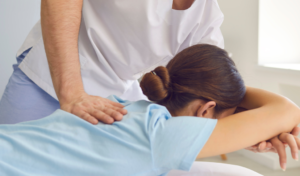
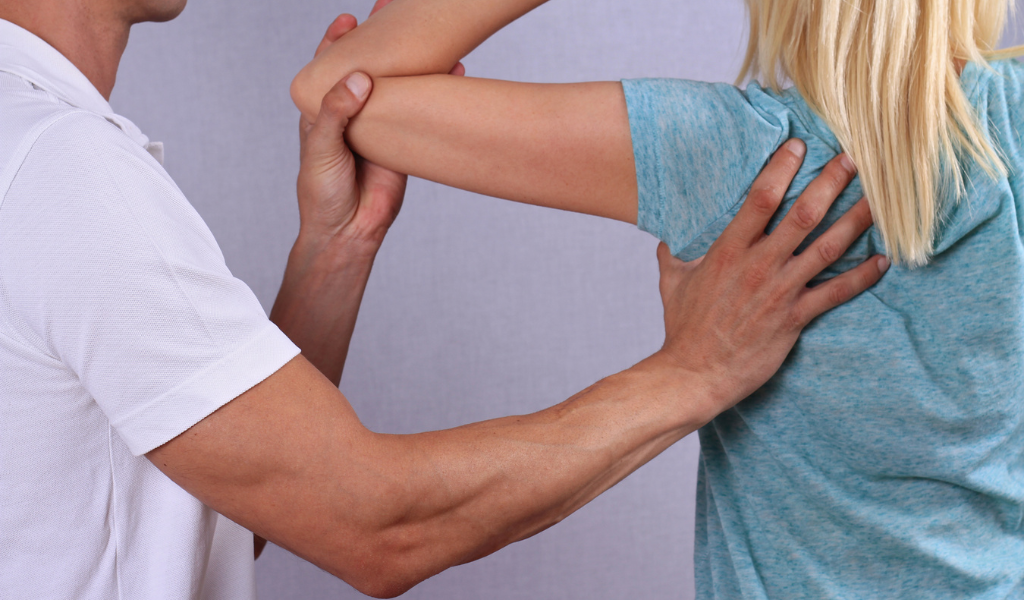
There manual therapy It's a technique used by a specialized professional, not just anyone. The term "manual therapy" is often used improperly. Today, physiotherapy worldwide has firmly established this definition within its specialties, creating a new profession in the field of rehabilitation. An international organization defines clear and precise guidelines, aimed at helping patients resolve problems that until now have been treated with machines or drugs, without truly understanding their cause.

Physiotherapy, like all medicine, has the duty to continually improve, update itself and question what was previously absolute, allowing the professional to have many more tools and broaden their range of therapeutic choices.

The manual therapist

The IFOMT (International Federation of Orthopaedic Manipulative Physical Therapists) is the organization that regulates and clarifies the requirements universities must meet to accredit the title of OMT manual therapist. Therefore, manual therapy is performed by a professional who, in addition to a university education, has completed a master's degree and obtained the certification as a "manual therapist."
Manual therapists have been trained to assess the patient holistically, thus aiming to understand the bio-psycho-social aspects of the person.

Patient assessment

For the manual therapist, the patient's clinical picture takes into account feelings and emotions that can influence their health. Therefore, they use a methodology capable of recognizing and collecting clinical data through rigorous, evidence-based reasoning. The goal is to achieve high-quality therapeutic solutions and greater clinical appropriateness. 


Manual techniques

Following the collection of the clinical data obtained, the therapist can develop hypotheses, implementing a series of intervention strategies that apply what are the "manual techniques”: MASSAGE THERAPY, AESTHETIC LYMPHATIC DRAINAGE, MEZIERES POSTURAL GYMNASTICS, SOUCHARD POSTURAL GYMNASTICS, KINESIO, TAPING, PILATES, YOGA, THERAPEUTIC LYMPHATIC DRAINAGE, FUNCTIONAL BANDAGES, KINESIOTHERAPY, REIKI, ATHLETIC TRAINING. Through mobilizations, manipulations, or even specific physical exercises, the manual therapist manages the problem that afflicts the person.

In the complexity of medicine and the human body, the manual therapist is able to develop a decision-making process, following a careful personal evaluation that other professionals do not implement.

Manual therapy has the task of acquiring a professional and above all unequivocal vision of the problem. The manual therapist has very serious guidelines, which must lead to a responsible assessment of the patient and the problem afflicting them. A method must be researched and found that can help them in the long term, in the most natural way possible. It aims to solve the problem and not just reduce the symptom.

If medicine aimed to listen and understand patients' true needs, it would be easier to find cures and help people as a whole.

Fisio Flaminio - via donatello
PHYSIOFLAMINIO
Via Donatello 75
00195 Rome
Tel. (+39) 06 39375719
Fisio Flaminio - orari apertura
OPENING HOURS
Mon. – Fri. 8:00 – 20:00
Saturday 8:00 – 14:00

Fisio Flaminio - via donatello
PHYSIOFLAMINIO
Via Donatello 75
00195 Rome
Tel. (+39) 06 39375719
Fisio Flaminio - orari apertura
OPENING HOURS
Mon. – Fri. 8:00 – 20:00
Saturday 8:00 – 14:00
© 2023 FISIOFLAMINIO – VAT number 15579551001 – ALL RIGHTS RESERVED.

MASSOTHERAPY

What is massage therapy?

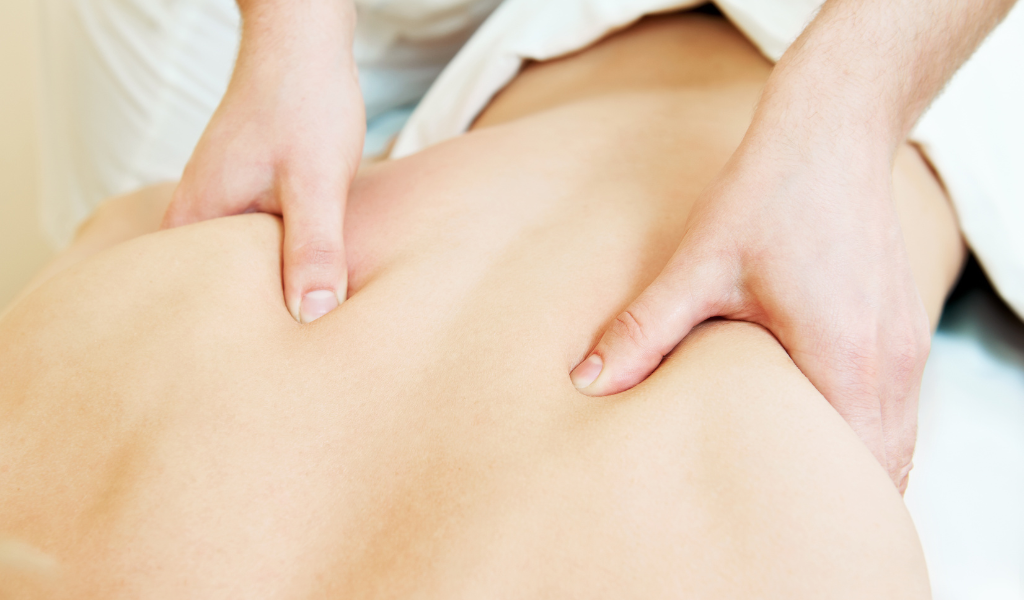
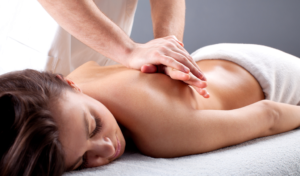
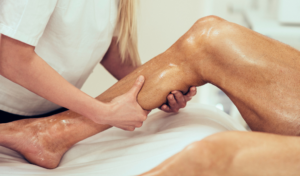
There massage therapy it's a manual technique basic therapy used by a physiotherapist to alleviate or reduce the symptoms of some pathologies of the musculoskeletal system.


When it is used

There massage therapy It is applied to patients who have muscle contractures, muscle injuries, tension on the band And myofascial painMassage is performed on muscle or tendon structures and is one of the many healing therapies used in the rehabilitation field.. People often get confused by comparing a physiotherapist to a massage therapist, when in fact there is a big difference. A physiotherapist is a graduate in the medical field, specialized in rehabilitation, so massage therapy is one of the first techniques that this professional must know.


Pathology evaluation

Massage therapy, performed with proper care, can relieve pain or reduce myofascial tension, but it cannot cure conditions that originate outside of the muscle. Indeed, to treat common conditions such as lumbago, neck pain, tendinitis, or inflammation, a thorough assessment of the patient is essential to determine whether massage therapy is the most appropriate technique. Therefore, to help our patients with massage techniques, it is essential to understand whether the pain is directly related to a muscle problem. If the condition or dysfunction originates elsewhere, the patient would likely need to combine massage with another therapy. Indeed, many conditions require a multifactorial approach, where the patient and their pain must be at the center of our rehabilitation process.


Reducing pain and stress with massage

Massage therapy in fact plays a fundamental role even for those structures that are not on the surface and therefore in contact with the therapist's hands, for example all those situations psychosomatic that affect the patient. Pain is a concept that must be carefully studied, and massage therapy can be truly effective for many reasons. Massage is often perceived by patients as pleasant, even if "painful," because it's seen as a moment of escape, where the patient is the center of attention.

Many people feel the need to reduce stress, and massage aims to promote physical health and well-being, including our psychophysical well-being. One of its most interesting effects is the stimulation of the secretion of endorphins, chemicals produced by our brain that have powerful analgesic and muscle-relaxing properties. The pain signal felt by the patient is modulated by the mechanical stimulation of the body's receptors, reducing the sensation of pain, tension, or discomfort.


Improved blood circulation

Let's not forget all the other functions massage therapy can have and what it can encompass. For example, the lymphatic system is a body system that benefits from this treatment.

Through massage, we improve blood circulation, increase the supply of oxygen to the cells and therefore nutrients to the affected tissues. Massage promotes the lymphatic drainage and the elimination of all catabolites or waste substances.

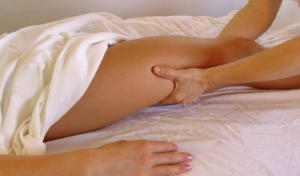
Cellulite And the retentionnor water These are conditions that often require massage therapy, where the only major difference lies in the method of delivery. That is, where there is a lymphatic or circulatory problem, the stimulation must be much gentler and more superficial, compared to a muscular problem, such as a contracture, where stimulation can be even deeper.


For athletes

One of the key variables is the speed of application. It's a simple equation: the faster the technique, the more activating the system involved will be; the slower it is, the less stimulation will be achieved. Indeed, it's crucial to evaluate the patient before starting treatment and determine if there are any significant contraindications.

The athletes for example they often need a cycle of massage therapy, in fact in agreement with the therapist, some treatments are performed activating massages, so fast, before a competition or myo-relaxants (slow), following a race or sporting activity, to reduce muscle tension or discomfort.


In short, everything requires an excellent knowledge of the subject, including anatomy, physiology, pathophysiology, the practitioner's empirical experience, empathy, manual dexterity, and all those skills necessary to best help the patient. Within the practitioner's remit, patient assessment remains the first priority. A good assessment is more important than a well-executed technique, because If the therapist understands the origin of the problem, treating the patient becomes easier.

Fisio Flaminio - via donatello
PHYSIOFLAMINIO
Via Donatello 75
00195 Rome
Tel. (+39) 06 39375719
Fisio Flaminio - orari apertura
OPENING HOURS
Mon. – Fri. 8:00 – 20:00
Saturday 8:00 – 14:00
Fisio Flaminio - via donatello
PHYSIOFLAMINIO
Via Donatello 75
00195 Rome
Tel. (+39) 06 39375719
Fisio Flaminio - orari apertura
OPENING HOURS
Mon. – Fri. 8:00 – 20:00
Saturday 8:00 – 14:00
© 2023 FISIOFLAMINIO – VAT number 15579551001 – ALL RIGHTS RESERVED.