
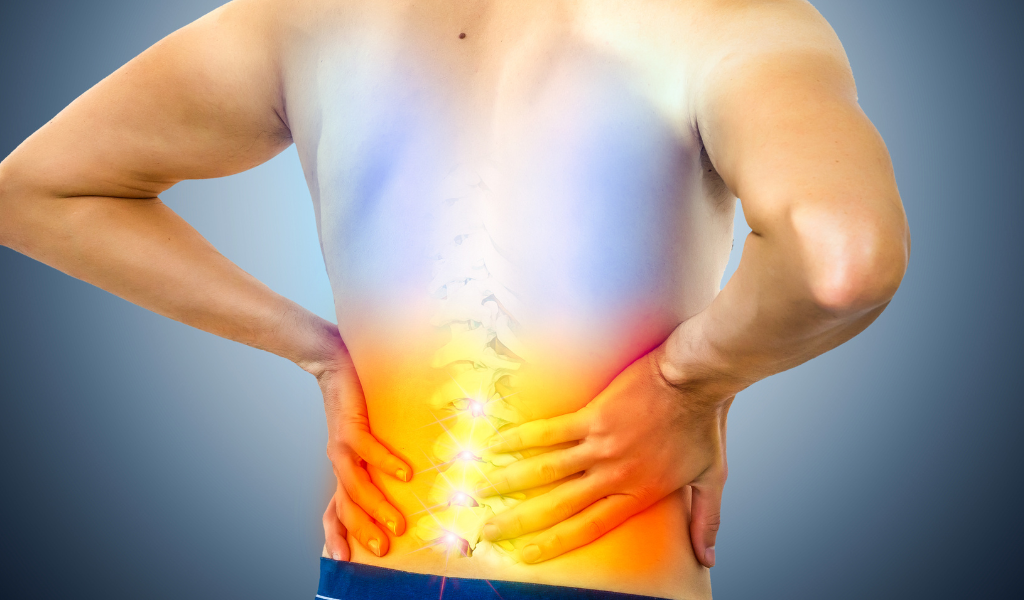
Low back pain affects approximately 951 TP3T of people worldwide at least once in their lives. Therefore, we are all aware of the fragility of the spine, and therefore the interest in preserving it is high.
More physiotherapy, fewer drugs
Physiotherapy has the very important task of understanding the mechanisms by which the back suffers. There are  Many researchers are studying low back pain and lumbosciatica, aiming to find a solution to the problem. Today, we have numerous physiotherapy tools that explain how rehabilitation can heal a back problem, but also how to maintain the benefits over time. In the future, physiotherapist It will increasingly specialize in musculoskeletal conditions: hands and exercises will be useful tools for healing. The use of drugs, ice, or any chemical methods will be increasingly rare.
In the future we will all be happily obliged to turn to a specialized physiotherapist who, through a careful evaluation,  will understand our problem and also find the solution. Today, for example, there are many spinal mobilization techniques that work even in the acute phase, and that can miraculously heal previously debilitating conditions or discomforts in a short time. This means that in the future we will have increasingly more options for addressing the problem conservatively, without the use of drugs or surgery. Therefore, manual therapy applied to physiotherapy, that is, manipulations, functional exercises, subjective assessments, are the cure for the real problem of back pain.
Physiotherapy for chronic conditions
 Chronic pain of musculoskeletal origin undoubtedly requires specialized physiotherapy. The situation is different for chronic conditions whose pain originates from more central mechanisms, where the patient requires a multidisciplinary approach.
Patients with acute lumbosciatica often come to our office after following medical advice such as medications, rest, ice, and swimming. These are recommendations that we, in our office, would have carefully considered. Usually, when a patient follows all these instructions without solving the problem, they become very discouraged. It often happens that a patient comes into our office who has followed all the advice, even the hairdresser's, suggesting us as a last resort, thus creating even greater responsibilities for us than we should. Fortunately, there are many cases in which we have been able to help the patient by solving the problem at its source.
Advances and tools in physiotherapy
Neurodynamics, for example, is a technique that we often use with patients suffering from lumbosciatica, because it works  directly on the nerve and therefore on neurogenic symptoms. Today, we have many natural tools to treat lumbar spine disorders, often even more effective than those remedies that appear quick and effective.
Physiotherapy will increasingly specialize in addressing conditions that medical professionals previously lacked. In many countries, such as Australia, physiotherapists are already independent in patient management, collaborating with orthopedic surgeons only when the patient's health is at serious risk.
When you experience back pain, before becoming alarmed, get a specialized physiotherapy assessment to determine the recommended course of action. After a thorough physiotherapy diagnosis, there will be two options: either engage in physiotherapy or consult another specialist.


Via Donatello 75
00195 Rome
Tel. (+39) 06 39375719


Mon. – Fri. 8:00 – 20:00
Saturday 8:00 – 14:00

Via Donatello 75
00195 Rome
Tel. (+39) 06 39375719
Mon. – Fri. 8:00 – 20:00
Saturday 8:00 – 14:00

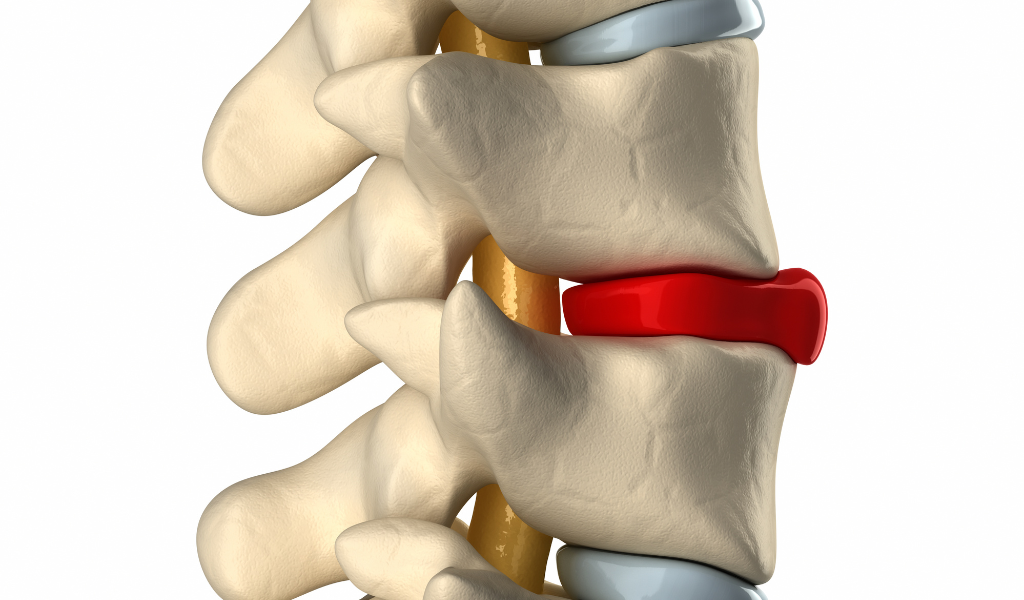
 The intervertebral disc is stretched and therefore taut, while the posterior wall is shortened and therefore relaxed. This condition could lead to the disc's only escape route being a posterior direction, contrary to what was claimed in the previous model.
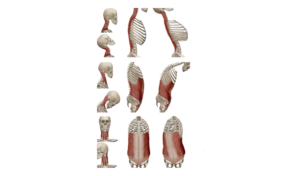 The nerves assume a more vertical direction, and the intervertebral foramen (TP3T) increases its area, creating more space for the structures within it. During extension, however, the spinal cord shortens and narrows the TP3T foramen. Although the nerve roots are relaxed during extension, the narrowing of the foramen, combined with a possible backward displacement of the intervertebral disc, could cause nerve compression. Clinical presentations are varied, and mixed components may occur, so the patient experiences pain during both flexion and extension.
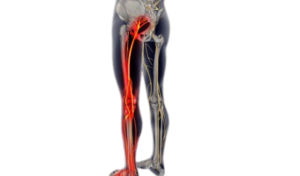 A very common example is the lumbosciatica, following the closure of the L5-S1 foramen (the smallest of the intervertebral foramina). If the herniation compresses the root, creating a radiculopathy, nerve conduction is blocked in the spinal nerve axon or its roots, causing hypoesthesia (numbness), muscle weakness, and/or reduced reflexes, but it is important to specify that this is not radicular pain. The association between hernia and pain is not correct, because we could only have silent symptoms., or have associated neuropathic pain, distributed across the dermatomes of the body, radiating below the knee and often to the foot. Therefore, the distribution of symptoms is very important; if they were to be anterior, it would be called lumbocruralgia, along the course of the crural nerve (L4 and proximal roots) instead the posterior distribution, the famous lumbosciatica, along the course of the sciatic nerve (L5-S1).
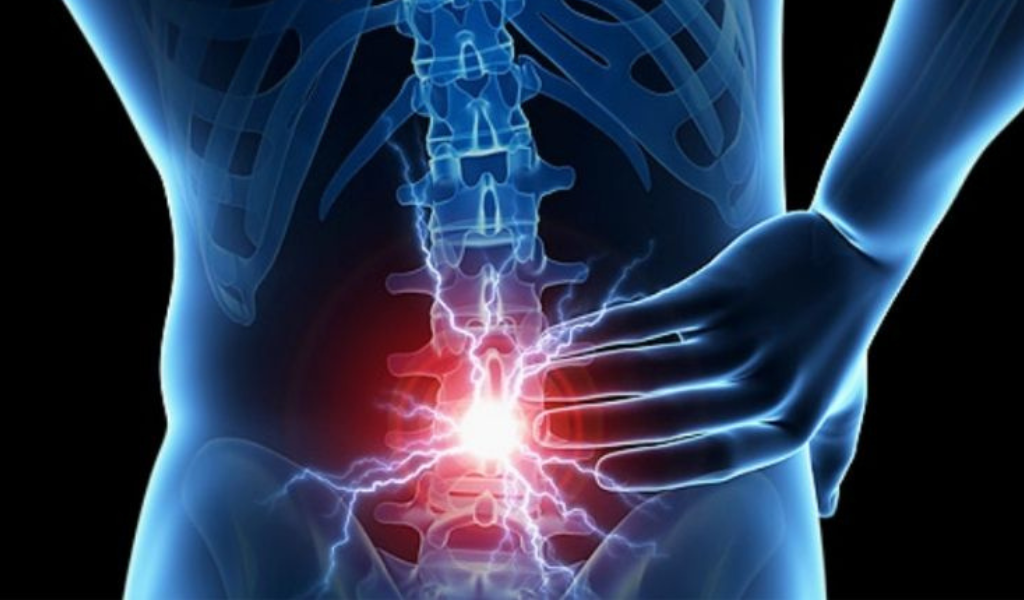 Colopathy is characterized by impaired sensation, strength, and reflexes, as well as the absence of pain. This condition is even more evident in chronic cases, where the symptoms are very severe but painless. This detail must always be taken into consideration, because the absence of pain does not indicate patient improvement. The patient's progress can only be considered evident in terms of regained sensation, strength, and reflexes. This assessment should be performed bilaterally to compare the affected side with the contralateral side.