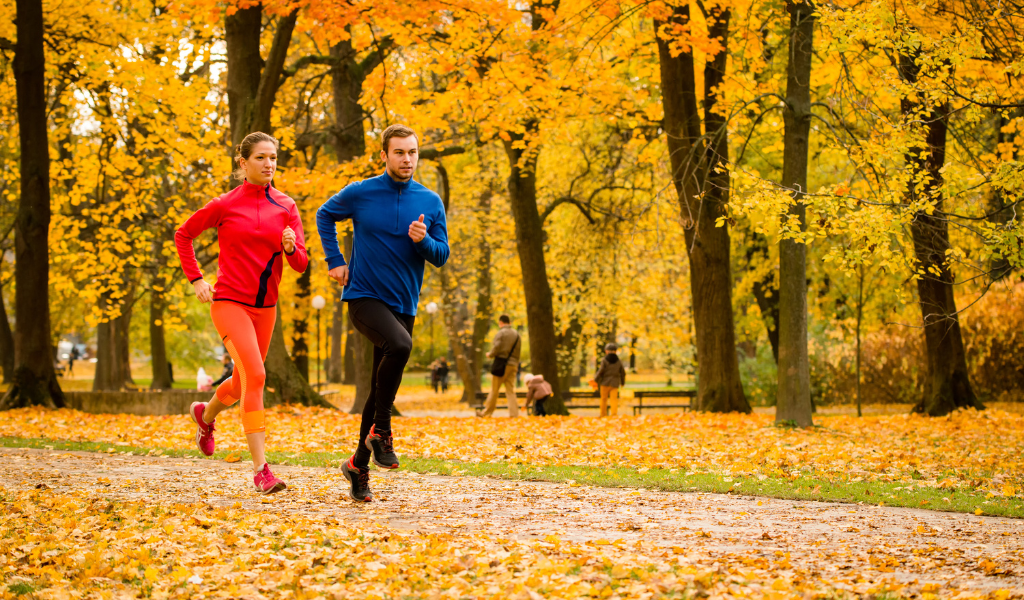
With the arrival of autumn, many people return to their daily activities, including work, study, and fitness. For a physiotherapist, this is a crucial time to educate patients on how to return to these activities safely and prevent injury.
Our social life in Birkestocks has come to an end, and it's time for ankle boots to protect us from the rain and freezing temperatures. It's also a season when work resumes in full swing, schools reopen, and everything returns to normal. However, this season also brings with it moral and physical duties, where taking care of one's body is crucial, especially after spending the holidays relaxing.
Resuming training and our hobbies while avoiding injuries and ailments
The clothing
 First of all, always cover up before going out, because sweating in summer is normal, as temperatures remain high well into the evening. Autumn is a different story, with its colder temperatures, which are therefore also dangerous for our health. Clothing is the first precaution to take. Dress in layers and use a raincoat that protects us from humidity and temperature changes, which are terrible for exposed body parts. It's no coincidence that most flu cases begin during this time of year, when, among other things, the flu vaccine is highly recommended for those over 60. Once we've sorted out our clothing, let's move on to the active phase.
The warm-up
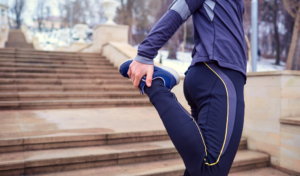
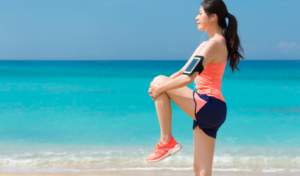
Before starting any activity, outdoors or indoors, a warm-up is recommended. at least 10 minutes, also considering the fact that going out early in the morning or training late at night exposes us to colder temperatures and higher humidity.
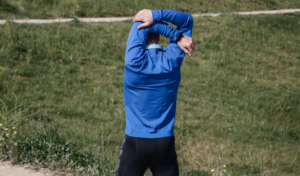 Always considering your starting situation and the training goal, dedicate 10 minutes to warming up, for example, with a brisk jog at a steady pace and low frequency. If you play sports that use the upper limbs, dedicate another 5 minutes to warming up your upper body, for example, using low-resistance bands with repeated movements in extra rotation. In short, always consider what you'll be doing, whether you play paddle tennis or plan on playing five-a-side football.
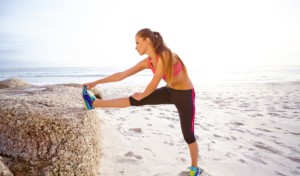
Stretch the body It is a very common practice that should be maintained. Despite the scientific evidence, 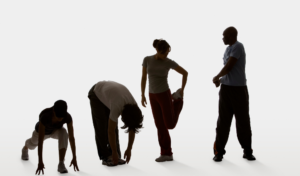 Demonstrate the effectiveness of stretching. By empirical logic, having mobile and elastic joints allows the body to move more easily and therefore to experience fewer problems during sports. You'll get a feeling of lightness instead of total stiffness. In short, after those canonical 10-minute warm-up, move on to joint mobility (stretching).
Maintain good posture during our physical activity
The difference between the posture of professional athletes who practice it professionally and those who do it as an amateur is certainly evident. The hypothesis we can make is to consider the importance of sport, from an early age, in developing coordination and good athleticism. With thousands of repetitions, the body automatically shapes itself, defining 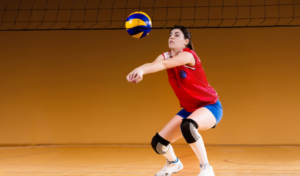 What constitutes "good posture" and "good athletic movement." If we're career lawyers and have therefore dedicated our lives to studying, it doesn't mean we'll forever be forced to have poor posture. Not necessarily! However, we'll definitely have to work hard at it, and it will require a lot of dedication. So work on your posture, take professional athletes as an example, and sometimes spend time and money with qualified people who can teach you basic posture for your favorite sport. Never improvise; always follow the advice of experts.
Graduality
Once again, taking things gradually will help you avoid physical problems or injuries. Listen to the signals your body is sending you: you can monitor your heart rate with a wristwatch, stay well hydrated before and after physical activity, and if you feel shaky or tired, stop and don't overdo it. If you feel pain during an activity, don't continue to push her; investigate and find the cause, and if you can't find it, consult a professional.
Recovering after surgery or trauma
For those recovering from surgery or trauma, a separate discussion is needed: they should only resume activity when a specialized physiotherapist confirms the completion of rehabilitation and a return to sport. This is not a sudden transition, but rather a gradual return period, always supported by a rehabilitation expert.
This fall, prepare for your return to work, not just physically, but physically as well. Follow all the instructions we've given you. You'll see that, barring accidental ones, there won't be any problems, and you'll experience autumn as a time of physical and mental recovery.


Via Donatello 75
00195 Rome
Tel. (+39) 06 39375719


Mon. – Fri. 8:00 – 20:00
Saturday 8:00 – 14:00

Via Donatello 75
00195 Rome
Tel. (+39) 06 39375719
Mon. – Fri. 8:00 – 20:00
Saturday 8:00 – 14:00

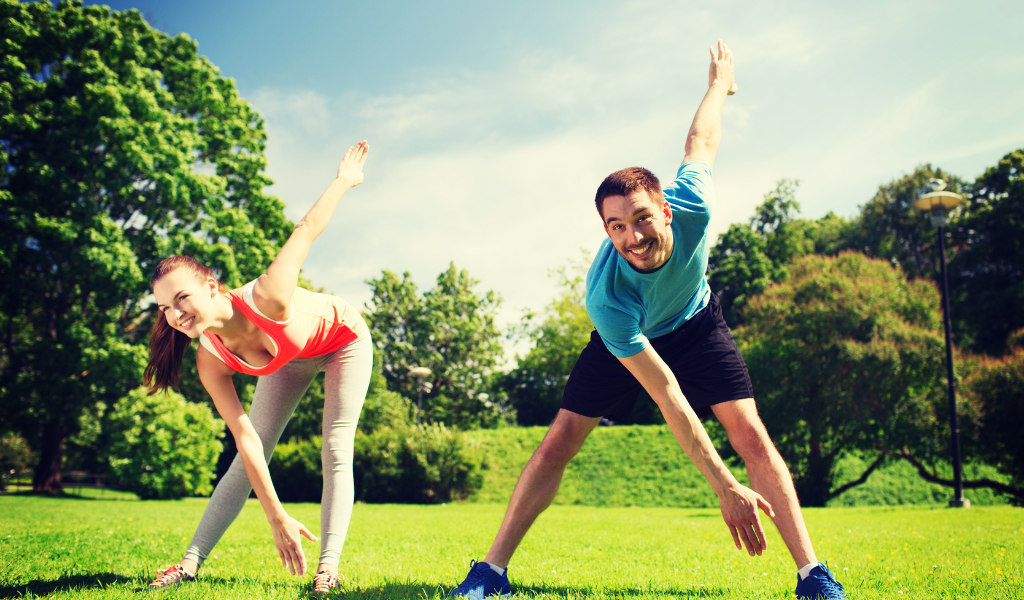
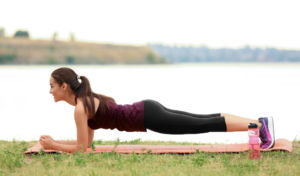 The importance of a good warm-up before physical activity is fundamental for professional athletes, but also for those who practice sports at an amateur level.
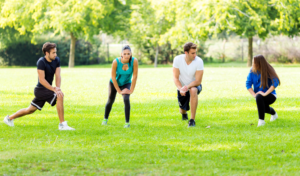 So with the warm-up, lasting 5/10 minutes, you can get these benefits:
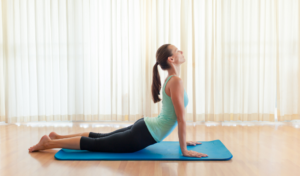 Once you've finished exercising, it's important not to neglect stretching exercises to avoid unpleasant injuries and contractures. Stretching exercises improve circulation, improve breathing, and reduce feelings of fatigue. Above all, they induce a state of physical and mental relaxation.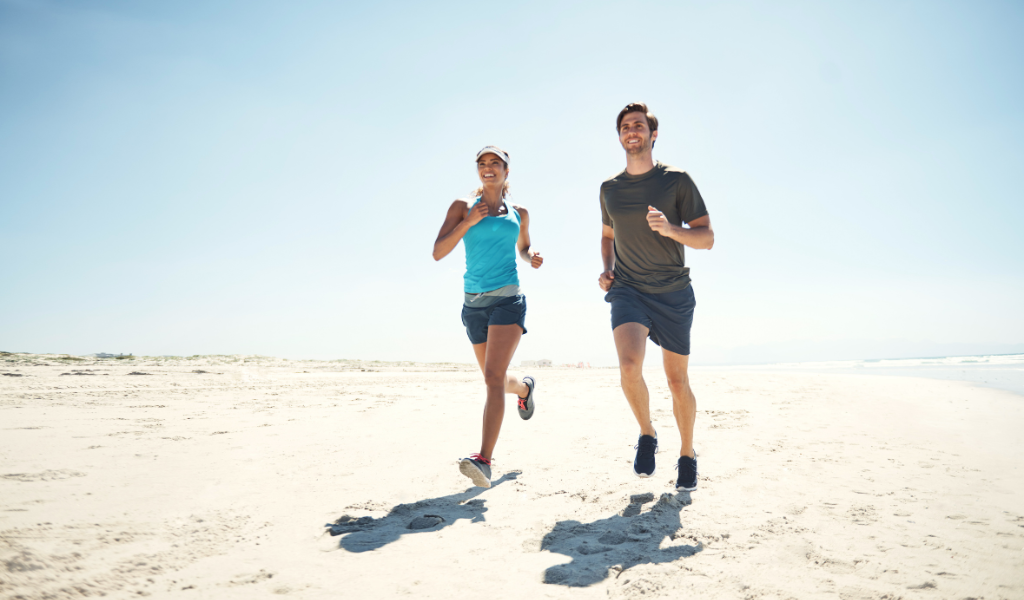
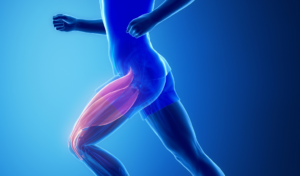 First, we're talking about rest after a workout or a competitive sport. Whether the workout is intense or not, muscle tissue is always involved, so it requires a certain amount of rest to allow it to regenerate. After activity, the muscle suffers actual tissue damage, which also explains post-exercise soreness. Muscles also undergo metabolic stress, and a break allows for the formation of new cells and therefore muscle growth, a real increase in sarcomeres on the fascia.
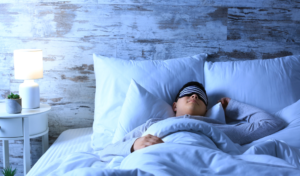 Passive recovery It should occur primarily at night. The body and mind are completely rested. The brain is the essential control source for every reaction within our body and requires a specific amount of time to restore its basic functions so it can function as efficiently as possible. At least 7-8 continuous hours are necessary, and this is perhaps the most important recovery of all. When we sleep well, our entire body and mind benefit.
 Active recovery (here we open a very important and debated chapter) falls within the concepts of rehabilitation and return to physical activity. If we consider a muscle that has been trained, and therefore partially injured, active recovery is necessary to promote functional memory in a specific tissue. Therefore, low-intensity exercise increases vascularization and consequently tissue regeneration. It is important to stimulate the tissue, for example with preparatory exercises for the specific activity.
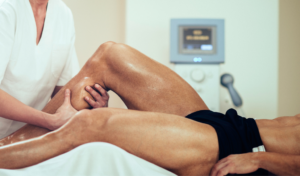 The massage This is another very good type of recovery, designed to eliminate all catabolites and promote metabolites. It's useful for relaxing tense muscles and promotes the continued release of endorphins, which are beneficial for the body.
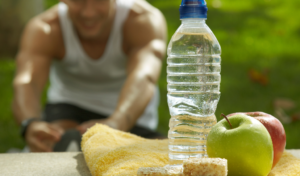 Activity is our "fuel." A balance of these nutrients, including healthy fats and vitamins, allows us to enjoy good overall health and thus the possibility of living a healthier life.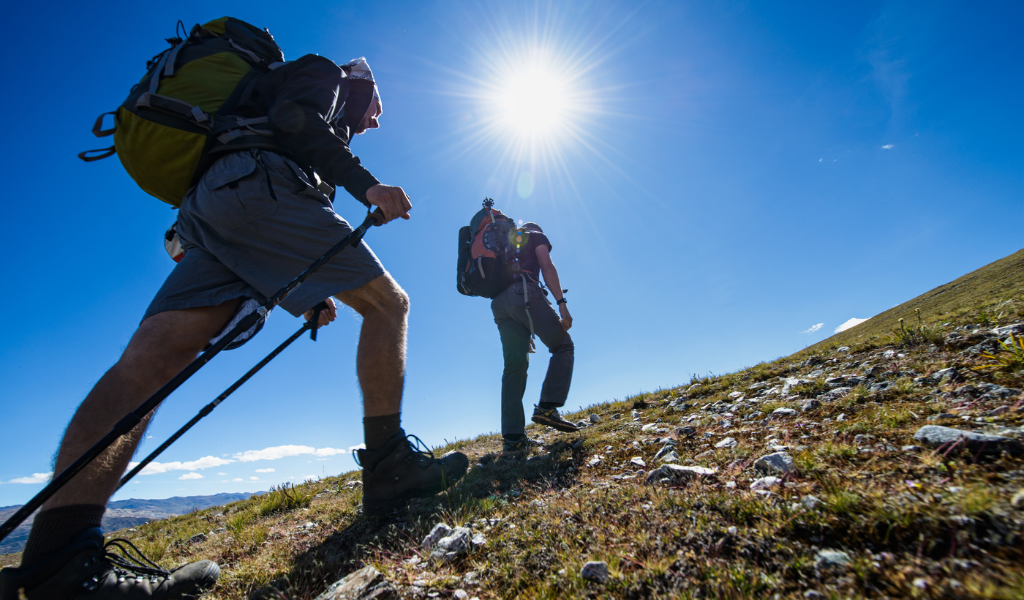
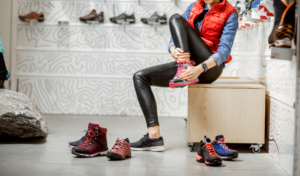 We're now bombarded with advertisements and salespeople recommending fantastic shoes designed to fit our body's posture. We've often heard that good posture reduces the risk of injury and that a good shoe could be the solution. Unfortunately, or fortunately, such a statement isn't possible today. Spending on shoes cannot be associated with prevention but rather with personal taste. and the sensations we experience and the influence of marketing we are subjected to. However, choosing a trekking or running shoe should be as subjective as possible!
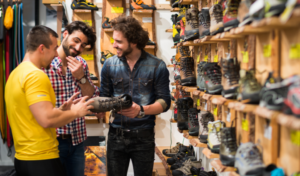 The clerk, if they're experienced or have a well-stocked store, might ask you to step onto a baropodometric platform, simply to see how you distribute your body weight. Another very useful tool is to ask you to use a treadmill in the store to see how you use your foot and how the load is distributed across your feet and joints.
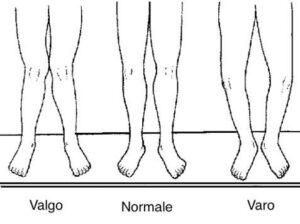 Knowing the characteristics of our support: varus, valgus, arched or not arched plantar arch, It could be helpful in choosing the most suitable footwear for our sporting activity. However, consider that a salesperson doesn't study the human body and its pathologies; they simply offer their experience and draw conclusions based solely on an empirical perspective. Therefore, it's perfect if we want to get recommendations. a shoe that allows us to perform our hobbies or sports to the best of our ability, but we cannot receive advice on preventing injuries such as sprains.
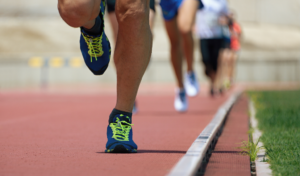 Many scientific experts also question whether it's worth continually modifying posture when an athlete has actually achieved structural balance. Let's take the example of marathon runner Emil Zatopek, known as the "Human Locomotive": he's won numerous trophies, but he's also famous for his uncoordinated running and a very pronounced arch valgus. Does it make sense to modify the posture of someone who has no PAIN and achieves brilliant results, like this one? The answer is not very.
 The equipment we buy is intended to help us perform our athletic movements better, not to preserve our bodies.The choice is always subjective, so we must consider our characteristics: foot structure and shape, wide or narrow base, taking into account our body weight and our physical preparation.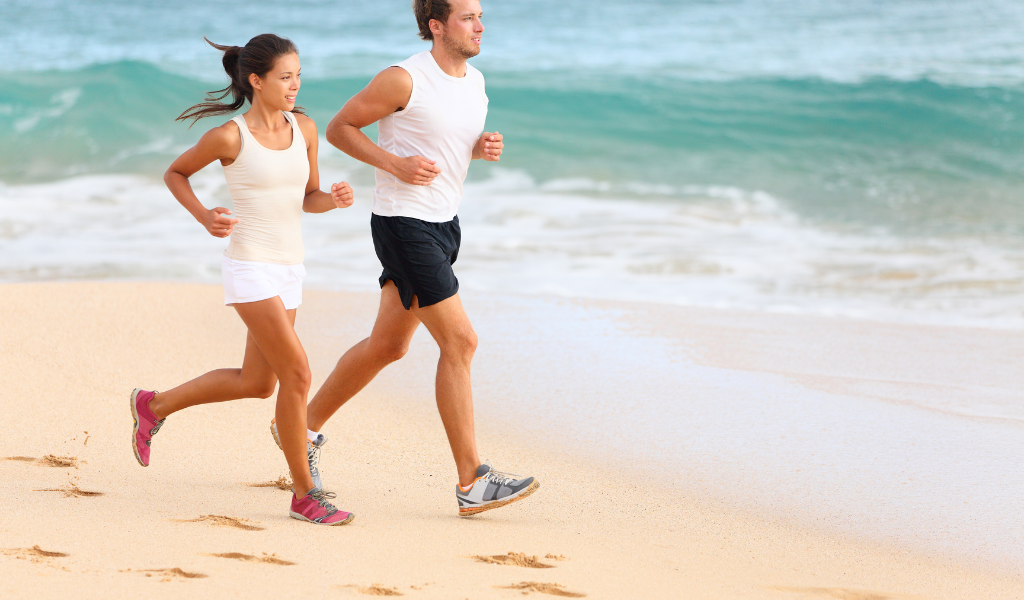
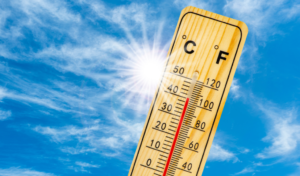 The alternation of hot and cooler periods is unpredictable, although climate change is accustoming us to sudden changes even during the summer; one variable, for example, is the wind direction. When the wind blows from the north, we'll experience a period of dry heat, yet pleasant weather because it comes from cooler climates. When the wind blows from Africa, and therefore from the south, we struggle even to sleep, let alone exercise. But how can we manage this alternation of high temperatures and high humidity while still finding time to exercise?
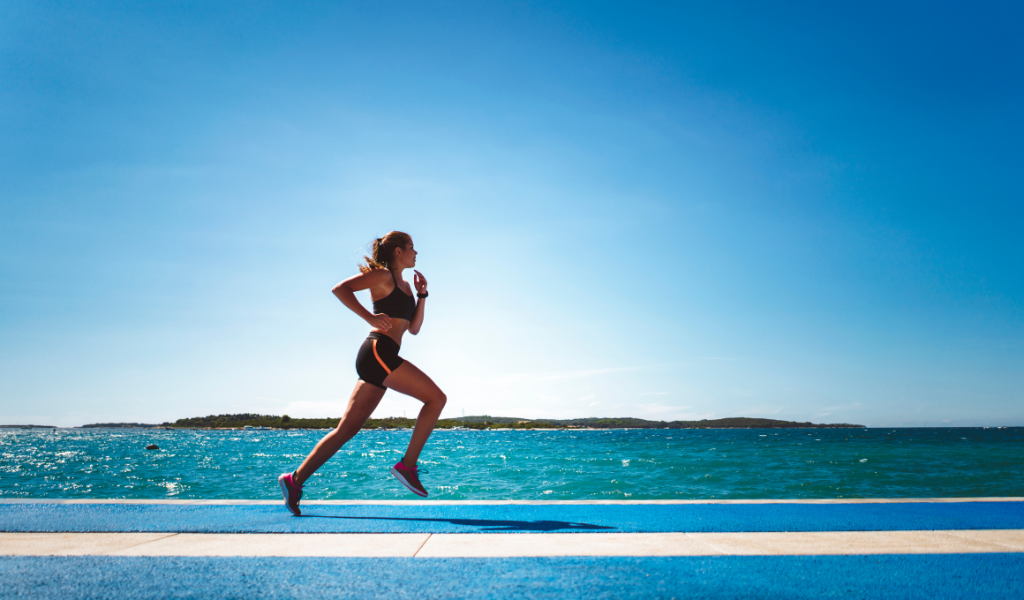
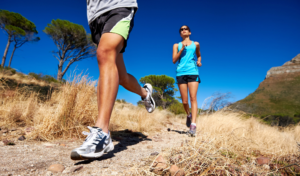 If we decide to run during the summer, we recommend running during the cooler hours, such as early morning or evening after 7:00 PM. If this is absolutely impossible because your only free time is your lunch break, we should choose a tree-lined route where the temperature is much lower than a scorching asphalt road. Remember to evaluate your starting condition: if you're untrained, over 70, overweight, or have cardiovascular problems, training outdoors in temperatures above 30 degrees is highly inadvisable. However, many people are accustomed to training and running even during the hottest hours of the day, but you should never improvise.
 The fundamental tips for training in the summer and in the heat are: leave the house during the coolest hours, choose a tree-lined path, wet your head and wrists with cold water, drink Drink plenty of water before and during training, have a good breakfast so you have the energy you need to face the physical effort, but the most sincere advice is not to overdo it, do progressive training, then gradually increase the difficulty and the time spent exposed to fatigue and sun. Real training should lead us to the goal of improving ourselves without exposing us to unnecessary risks to our health.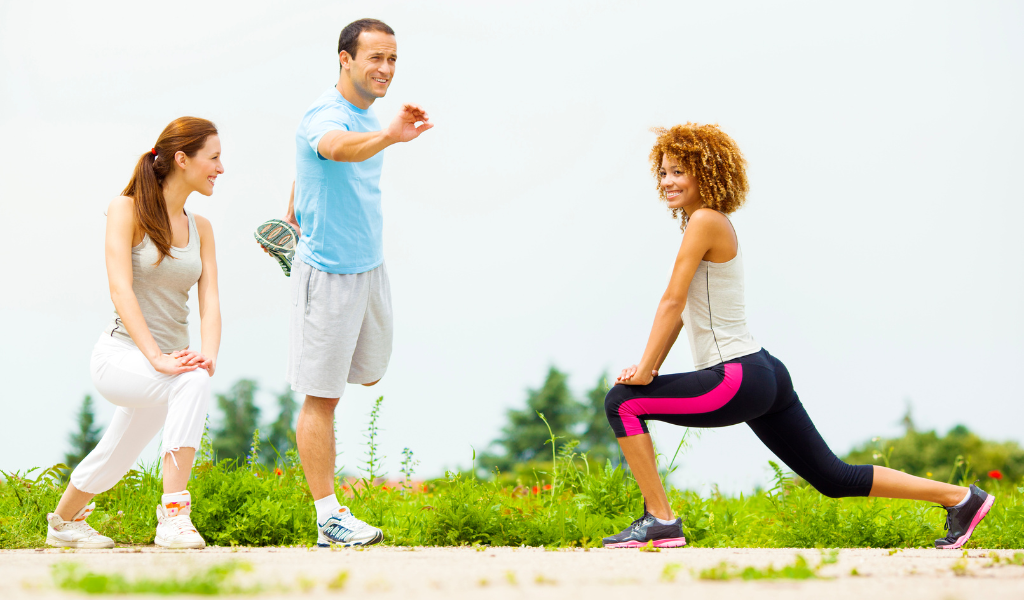
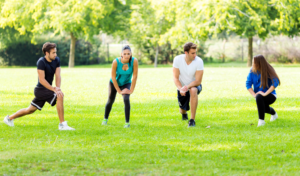 -Importance of a good warm-up: warming up serves to raise body temperature, thus improving the FLUIDITY of the blood and promoting the OXYGENATION of the muscles in order to avoid contractures, strains or tears.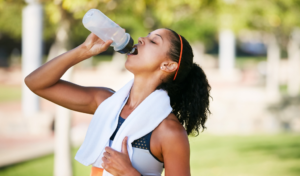
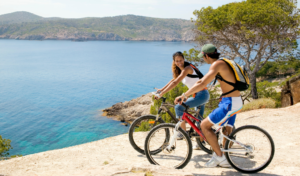 Summer is a season when many people engage in outdoor sports, such as swimming, running, cycling, and soccer. During this time, it's even more important to eat properly and maintain adequate hydration, as the thermal and physical stress our bodies are subjected to during physical activity is significantly greater.
 Maintaining adequate hydration is essential for athletic performance and, in general, for overall health. During the summer, due to high temperatures, the body loses more fluids through sweating. Dehydration can lead to decreased physical performance, energy drops, excessive fatigue, and muscle cramps. Therefore, maintaining adequate fluid balance is essential.