COVID-19

March 10, 2020, a date forever etched in our memories: Covid-19 entered our homes, causing significant repercussions on our lives and habits. It was an unprecedented time of fear and uncertainty; humanity was completely unprepared to face such a pandemic.
Anxiety and fears
 We were forced to stay indoors to prevent the spread of the virus, creating anxiety and fear in many people, and avoiding all social contact. There was a sense of impending doom. Leaving the house had become difficult, shopping for groceries created a mix of anxiety and relaxation along those endless lines, and buying the necessities seemed indispensable to get through the days at home. Somehow, society responded, dictating both life and work rules.
Smart working
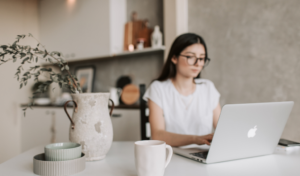 Indeed, although it was already a widespread practice in some companies, working from home was an integral part of that historical period. Hours and hours spent at home working in front of the computer, without having had the time to transform our homes into offices. Kitchen chairs and tables were converted into work tools because humanity cannot stop, even in the face of disaster or war. Our instinct is to keep going, and society will increasingly push us to do so.
Psychophysical discomfort
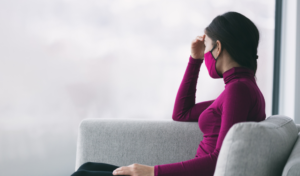 All of this creates enormous feelings of stress; the Covid-19 pandemic itself has made us more uncertain about the future. Hours and hours of working from home, fixated on the future, sitting on a couch or in bed. Your boss calls and emails you as if they'd never looked out the window: the important thing is the business, even in these situations, and the context becomes less relevant.
So, as we know, at the end of the lockdown, many people were left suffering from various aches and pains or feelings of physical discomfort, which required the intervention of specialists such as physiotherapists, manual therapists, and psychologists.
Negative aspects of smart working
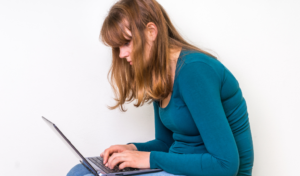 Researchers have observed a significant increase in back pain after working for days at home. This can only be explained by looking at things from a holistic perspective on medicine and health, which considers multiple aspects of the problem. Humans are greatly influenced by their environment. Stress, fear, anxiety, prolonged incorrect postures, and furniture used as workstations are all factors that can lead a person to suffer from specific pain, which can worsen and become debilitating.
Incorrect posture
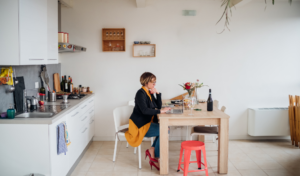 Many patients think they can work for hours on end on chairs that are typically used in the dining room: rigid, small, with low backs and often unsuitable for the table, which is either too high or too low.
Therefore, when working from home, it becomes essential to consider the height of the table, to find a position that does not force the body to bend forward, thus avoiding prolonged joint stress over time.
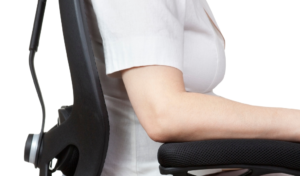 It's also very important to sit in a comfortable, soft chair with a high backrest that can rest your back during breaks or that can help maintain correct posture, preventing strain on other musculoskeletal structures.
During the initial assessment, patients may mention working remotely, even sitting or lying on the sofa or bed, which appears comfortable and pleasant, but which can be very dangerous for their back health if continued over time.
Positive aspects of smart working
 However, it's also important to consider the positives, not just the negatives, of working remotely: for example, avoiding traffic, setting your alarm later, or staying in a comfortable environment. Families themselves have been able to spend more time together thanks to smart working.
But think about what would happen if work were completely structured from home! People would become socially isolated, and relationships with colleagues would be rarer. Perhaps a middle ground would be the best option, allowing workers to better organize their time and tasks during the week.
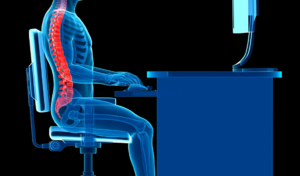
Therefore, it's important to organize your work from home so as to maintain proper posture, also to avoid back pain and discomfort and prevent harmful consequences. The body is fragile, and we must protect it from all external forces, both physical and emotional, that undermine our balance and, therefore, our well-being.
In conclusion, smart working today makes us reflect on what the future of work could be. We must therefore understand and share with our patients the best advice for performing it correctly, in order to prevent any future pain and discomfort.

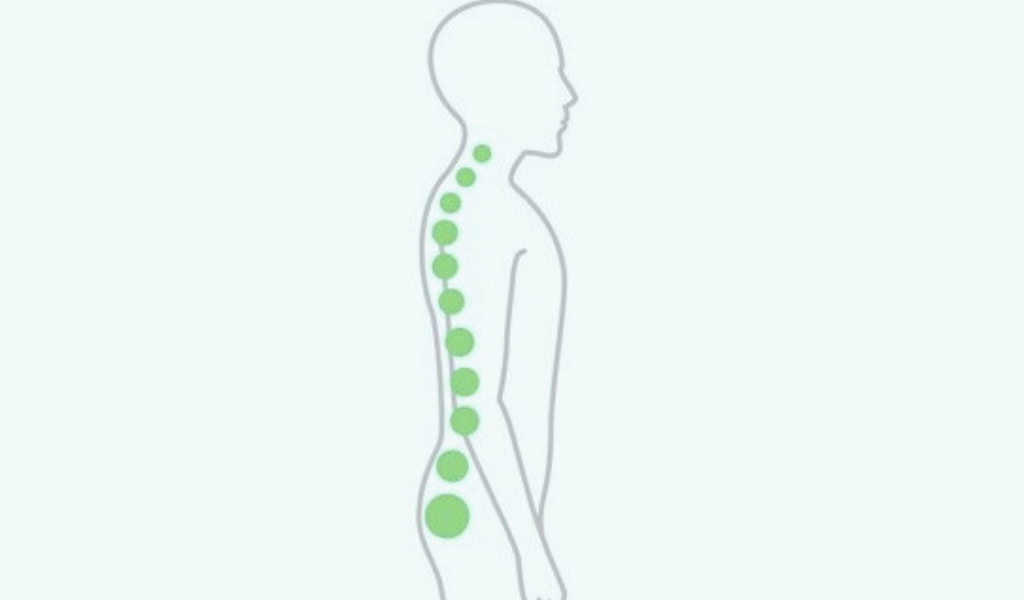
 Two types of posture can be defined:
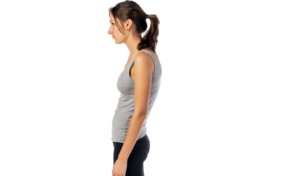 A key point is the relationship between psychology and posture.