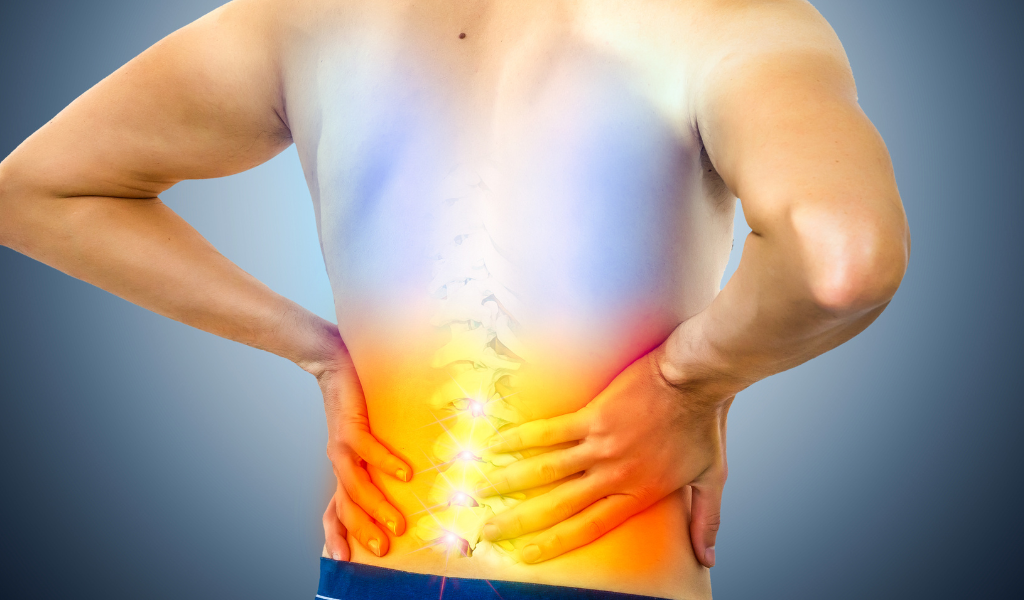
Low back pain affects approximately 951 TP3T of people worldwide at least once in their lives. Therefore, we are all aware of the fragility of the spine, and therefore the interest in preserving it is high.
More physiotherapy, fewer drugs
Physiotherapy has the very important task of understanding the mechanisms by which the back suffers. There are  Many researchers are studying low back pain and lumbosciatica, aiming to find a solution to the problem. Today, we have numerous physiotherapy tools that explain how rehabilitation can heal a back problem, but also how to maintain the benefits over time. In the future, physiotherapist It will increasingly specialize in musculoskeletal conditions: hands and exercises will be useful tools for healing. The use of drugs, ice, or any chemical methods will be increasingly rare.
In the future we will all be happily obliged to turn to a specialized physiotherapist who, through a careful evaluation,  will understand our problem and also find the solution. Today, for example, there are many spinal mobilization techniques that work even in the acute phase, and that can miraculously heal previously debilitating conditions or discomforts in a short time. This means that in the future we will have increasingly more options for addressing the problem conservatively, without the use of drugs or surgery. Therefore, manual therapy applied to physiotherapy, that is, manipulations, functional exercises, subjective assessments, are the cure for the real problem of back pain.
Physiotherapy for chronic conditions
 Chronic pain of musculoskeletal origin undoubtedly requires specialized physiotherapy. The situation is different for chronic conditions whose pain originates from more central mechanisms, where the patient requires a multidisciplinary approach.
Patients with acute lumbosciatica often come to our office after following medical advice such as medications, rest, ice, and swimming. These are recommendations that we, in our office, would have carefully considered. Usually, when a patient follows all these instructions without solving the problem, they become very discouraged. It often happens that a patient comes into our office who has followed all the advice, even the hairdresser's, suggesting us as a last resort, thus creating even greater responsibilities for us than we should. Fortunately, there are many cases in which we have been able to help the patient by solving the problem at its source.
Advances and tools in physiotherapy
Neurodynamics, for example, is a technique that we often use with patients suffering from lumbosciatica, because it works 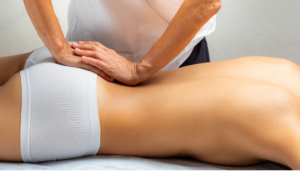 directly on the nerve and therefore on neurogenic symptoms. Today, we have many natural tools to treat lumbar spine disorders, often even more effective than those remedies that appear quick and effective.
Physiotherapy will increasingly specialize in addressing conditions that medical professionals previously lacked. In many countries, such as Australia, physiotherapists are already independent in patient management, collaborating with orthopedic surgeons only when the patient's health is at serious risk.
When you experience back pain, before becoming alarmed, get a specialized physiotherapy assessment to determine the recommended course of action. After a thorough physiotherapy diagnosis, there will be two options: either engage in physiotherapy or consult another specialist.


Via Donatello 75
00195 Rome
Tel. (+39) 06 39375719


Mon. – Fri. 8:00 – 20:00
Saturday 8:00 – 14:00

Via Donatello 75
00195 Rome
Tel. (+39) 06 39375719
Mon. – Fri. 8:00 – 20:00
Saturday 8:00 – 14:00

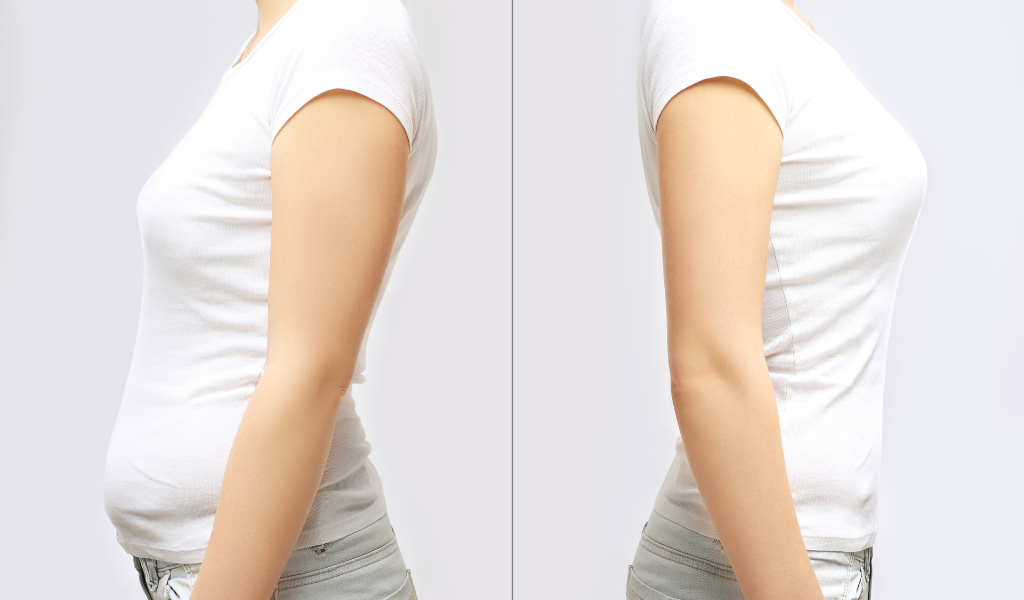
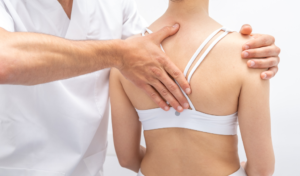 Posture, postural, or improving posture are often misused. In fact, many physiotherapists specialize in postural issues, despite having done other things in their careers. Without recognized medical qualifications, they create real confusion. Providing sound advice to your patients can be helpful in avoiding future problems and maintaining overall good health. All physiotherapists, at the beginning of their training, study what are known as anatomical points of the body. Using a plumb line, it is possible to identify landmarks on the various planes and axes. All this can be assessed through careful observation of the patient who comes to the office.
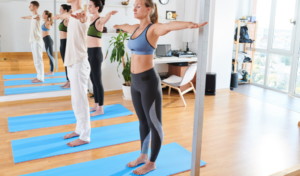 Humans love perfection, as Mother Nature intended, and so a body that moves in synergy and coordination could certainly be much more efficient than one that moves completely uncoordinated. If you lead a sedentary lifestyle with little exercise and therefore harmful behaviors, it would be helpful to minimize them as much as possible. Listen to your body and create a daily routine with some physical activity. If you feel it's appropriate, seek professional help, at least initially; they can correct what we call postural defects. Posture, however, isn't everything! Be careful when medical professionals describe your problem, pain, or defect as a consequence of your posture: everything must be proven, through tests and bodily signals; today we have the tools to understand.
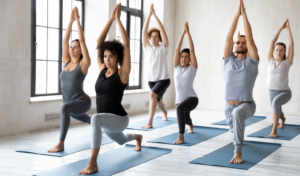 Investing time in posture and proper body use isn't a waste of time, and we can do it in countless ways, including with the help of a professional, who can address both the physical and psychological aspects. Start with very small steps and gradually progress to larger ones. My advice is to exercise in a group, but don't be afraid to do it alone; in fact, this can boost your self-esteem in the future. Find a group that does activities at your level, without any fear, but with the understanding that it's for your well-being and sometimes allows you to overcome unfounded fears and achieve greater self-awareness.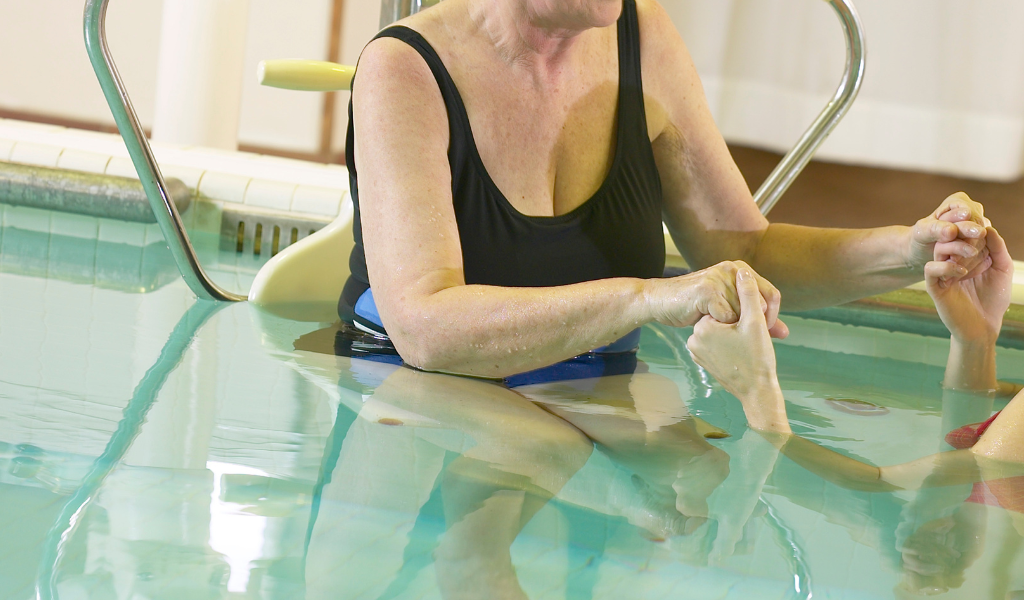
 Since there is no gravity in water, we don't perceive our body weight. Therefore, patients with functional limitations, obesity, or simply advanced age will be able to feel more independent in an environment like a pool or the sea. In fact, in water, we perceive that some seemingly difficult movements can become easier, thanks in part to the buoyancy that will lift us upward.
 Water's resistance can be exploited to create and invent a variety of exercises aimed at strengthening muscles. For example, following lower limb surgery, patients lose their independence and the ability to walk, so water can be an excellent tool for re-educating patients to return to this physiological activity. The important message is not to recommend aquatic physiotherapy as a fundamental part of the rehabilitation process; rather, we must be aware that, as terrestrial animals, accustomed to gravity, we need to rehabilitate in our natural habitat.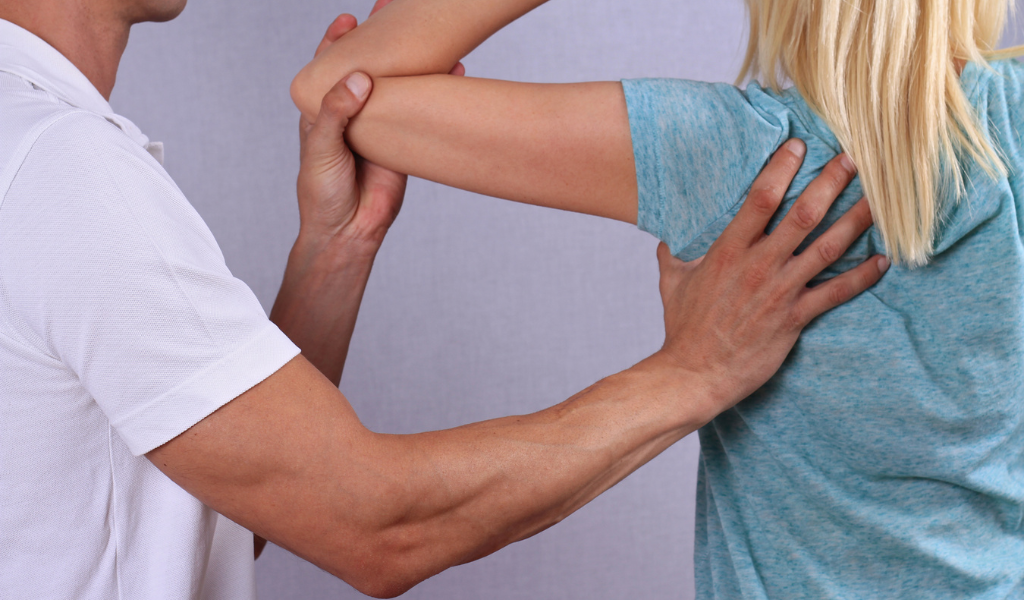
 Physiotherapy involves two different treatments: manual or instrumental.
 The IFOMT (International Federation of Orthopaedic Manipulative Physical Therapists) is the organization that regulates and clarifies the requirements universities must meet to accredit the title of OMT manual therapist. Therefore, manual therapy is performed by a professional who, in addition to a university education, has completed a master's degree and obtained the certification as a "manual therapist."