Tag

Neurodynamics

TACKLING SCOLIOSIS WITH NEURODYNAMICS

What is Scoliosis?

Scoliosis is a deformity of the spine that manifests itself with a lateral curve and a Rotation of the vertebrae. It can occur at different age groups and may be caused by genetic factors, muscle problems, or nervous system dysfunction.
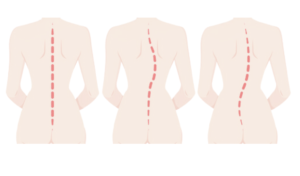
Many individuals with scoliosis may experience symptoms such as pain, limited mobility, and muscle tension. In this article, we will explore how the advanced approach of neurodynamics It can be integrated into physiotherapy to manage and improve scoliosis.

Role of Neurodynamics in Scoliosis

Neurodynamics, which studies the interactions between the nervous system and the musculoskeletal system, offers an advanced approach to treating scoliosis. Neurodynamic exercises and techniques can be customized to improve nerve function, reduce muscle tension, and promote better posture.

Neurodynamic Exercises for Scoliosis

Specific mobilization of the spine:
• Exercises aimed at improving the mobility of the vertebrae in the area affected by scoliosis.
• Controlled movements to stimulate flexibility and reduce stiffness.

Asymmetric Strengthening Exercises:
• Focus on exercises that strengthen weak muscles in the area affected by the scoliosis curve.
• Balancing muscle tone to improve symmetry and stability.

Myofascial Release Techniques:

• Application of targeted pressure to release muscle tension associated with scoliosis.
• Improved flexibility and comfort.

Postural Education and Conscious Movement:
• Teach the patient correct posture techniques to reduce stress on the spine.
• Promote mindful movement to prevent harmful postures.


Integration with Traditional Therapy

Neurodynamics can be successfully integrated with traditional scoliosis therapy, which may include conventional physical therapy, stretching exercises, and manual therapy. A thorough assessment by a specialized physical therapist will guide a personalized treatment plan that takes into account the patient's specific needs.


Benefits of Neurodynamics in the Management of Scoliosis

Pain Reduction: By improving nerve function and mobility, neurodynamics can help reduce pain associated with scoliosis.
Improved mobility: Targeted exercises promote flexibility and mobility of the spine, improving the quality of movement.
Balanced muscle strengthening: Neurodynamics can help rebalance asymmetrical muscles, contributing to better stability and posture.
Prevention of complications: Integrating neurodynamics into scoliosis management can help prevent long-term complications and improve quality of life.

Conclusions

Physiotherapist Andrea Sgambati

The neurodynamic approach offers an advanced and personalized option for addressing scoliosis. Integrating neurodynamic exercises into physiotherapy can be an effective strategy to manage symptoms, improve nerve function, and promote a better quality of life for those living with this condition.Before starting any exercise program, it is advisable to consult a specialized physiotherapist for a detailed assessment and the design of a treatment plan tailored to your individual needs.


 

Fisio Flaminio - via donatello
PHYSIOFLAMINIO
Via Donatello 75
00195 Rome
Tel. (+39) 06 39375719

Fisio Flaminio - orari apertura
OPENING HOURS
Mon. – Fri. 8:00 – 20:00
Saturday 8:00 – 14:00
Fisio Flaminio - via donatello
PHYSIOFLAMINIO
Via Donatello 75
00195 Rome
Tel. (+39) 06 39375719

Fisio Flaminio - orari apertura
OPENING HOURS
Mon. – Fri. 8:00 – 20:00
Saturday 8:00 – 14:00

© 2023 FISIOFLAMINIO – VAT number 15579551001 – ALL RIGHTS RESERVED.

NEURODYNAMICS EXERCISES

Improve mobility and reduce nerve pain with physiotherapy

Neurodynamics, an advanced approach in physical therapy, focuses on the health and mobility of the nervous system. Neurodynamic exercises are an effective tool for improving nerve function, reducing pain, and increasing mobility. In this article, we'll explore the importance of neurodynamic exercises and how they can be incorporated into your routine to promote overall well-being.

What is Neurodynamics?

Before examining the exercises, it's helpful to understand neurodynamics. This discipline studies the nervous system and its interactions with the musculoskeletal system. Neurodynamic exercises are designed to improve nerve mobility, reduce tension, and optimize overall nervous system function.

Benefits of Neurodynamic Exercises

Improved Nerve Mobility: Targeted exercises help improve the flexibility and mobility of the nervous system, reducing any limitations.
Nerve Pain ReductionNeurodynamics aims to reduce nerve compression and irritation, helping to relieve pain related to the nervous system.
Prevention of Relapse: integrating neurodynamic exercises into your routine can help prevent recurrences of nerve problems.
Improved Motor Function: Optimizing nerve function can improve coordination and muscle strength.

Examples of Neurodynamic Exercises

1. Seated Sciatic Nerve Exercise
Sitting with your legs straight, slowly extend your knee.
Keep your back straight and bend your foot slightly upwards.
You will feel a slight tension along the sciatic nerve.
Repeat on both sides.

2. Radial Nerve Exercise

Standing or sitting, bend your wrist forward and backward.
With your arm extended, rotate your wrist clockwise and counterclockwise.
Keep the movements controlled and repeat for both arms.

3. Ulnar Nerve Exercise
Sitting or standing, extend your arm out to the side.
Rotate your wrist so that your palm points up and down.
Alternate between positions, keeping your elbow slightly bent.

Integrating Neurodynamic Exercises into Your Training Routine

1. Proper Warm-up: Before performing neurodynamic exercises, be sure to warm up the surrounding muscles with light stretching exercises.
2. Graduality and Precision: Start with light movements, always maintaining control. Gradually increase the intensity and range of motion.
3. Consistency: To get maximum benefits, perform the exercises regularly as part of your workout routine.
4. Listening to the Body: If you experience pain or discomfort during exercises, stop and consult a physical therapist.

Conclusions

Physiotherapist Andrea Sgambati

Neurodynamic exercises are a powerful resource for improving nerve mobility and reducing nervous system-related pain. However, it is advisable to consult an experienced physiotherapist Before starting a new exercise program, especially if you have pre-existing conditions. Incorporating neurodynamics into your physical therapy routine can significantly contribute to your overall well-being and nerve pain management.

Fisio Flaminio - via donatello
PHYSIOFLAMINIO
Via Donatello 75
00195 Rome
Tel. (+39) 06 39375719
Fisio Flaminio - orari apertura
OPENING HOURS
Mon. – Fri. 8:00 – 20:00
Saturday 8:00 – 14:00

Fisio Flaminio - via donatello
PHYSIOFLAMINIO
Via Donatello 75
00195 Rome
Tel. (+39) 06 39375719
Fisio Flaminio - orari apertura
OPENING HOURS
Mon. – Fri. 8:00 – 20:00
Saturday 8:00 – 14:00
© 2023 FISIOFLAMINIO – VAT number 15579551001 – ALL RIGHTS RESERVED.

MANUAL THERAPY WITH NEURODYNAMIC TECHNIQUE

Understanding pain and its underlying mechanisms is essential for treating it and preventing it from becoming chronic. The mechanisms underlying pain generated by the nervous system are connected to all the structures it innervates: the vascular system, connective tissue, and the nervous system itself.
It is important to understand the mechanics of the nervous system, or neurodynamics, how the nervous system moves in relation to the structures surrounding it, and how to assess and diagnose nervous system problems in relation to the musculoskeletal system.

The nervous system

The nervous system is a complex system composed of intricate interconnections between its structures, with retrograde and anterograde conduction and bottom-up/top-down pain inhibition mechanisms. Conduction is enabled by structures such as ion channels, mechanoreceptors, synapses, and so on.


What is neurodynamics?

Neurodynamics is a branch of physical therapy that focuses on the assessment and treatment of neural dysfunction. It involves the study of the dynamics of the nervous system to understand how movements and postures can affect nerve function. The goal is to optimize nervous system health to improve mobility, reduce pain, and promote overall well-being.

How does neurodynamics influence physiotherapy?

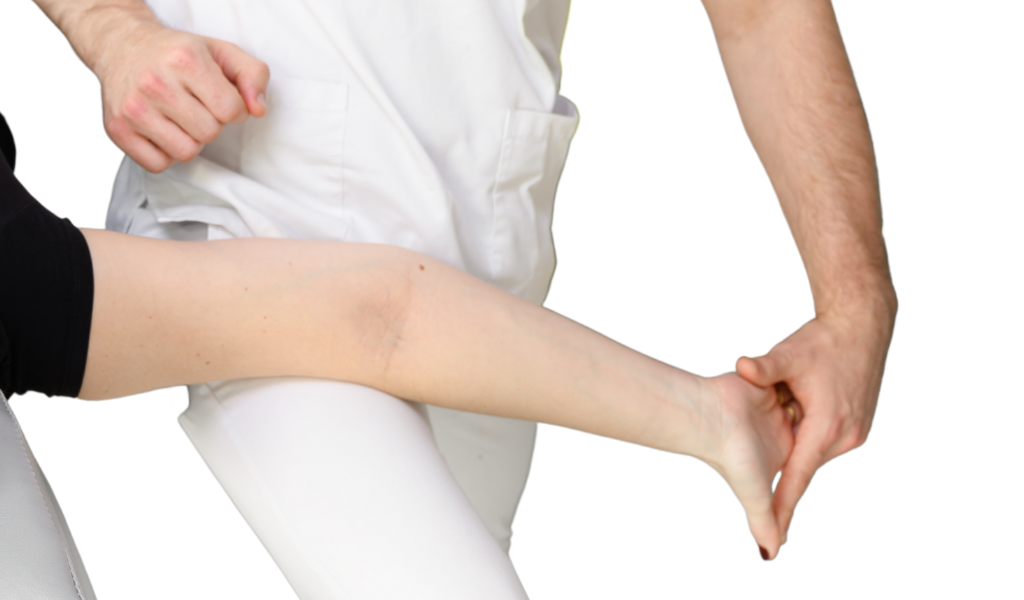
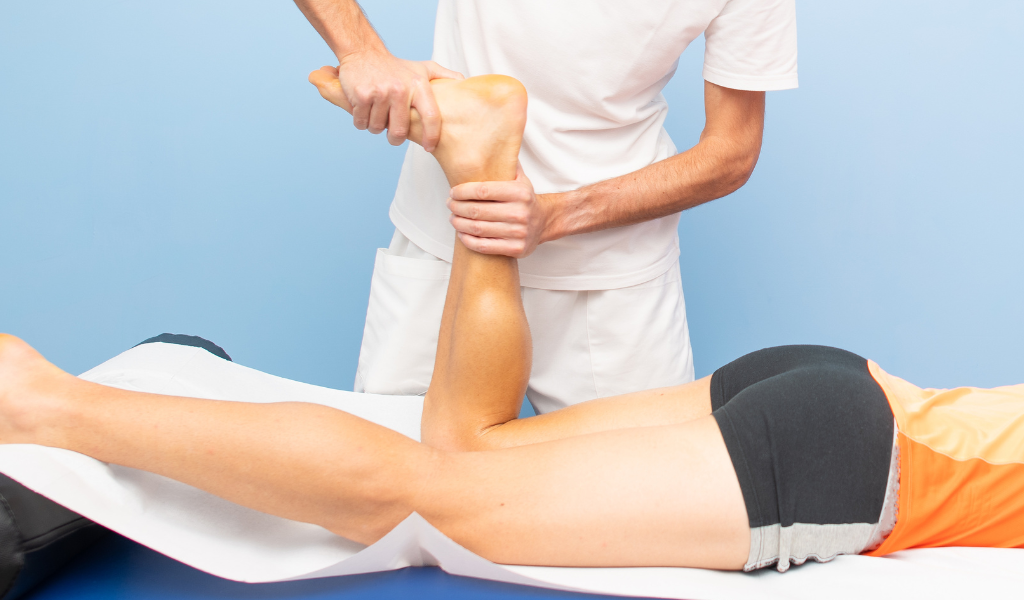
In physical therapy, neurodynamics is often used to treat patients with symptoms such as chronic pain, numbness, tingling, or mobility limitations. A physical therapist trained in neurodynamics will assess the patient's nerve function, identifying any restrictions or neural tension. They will then develop a personalized treatment plan that may include:
Specific nerve mobilization exercises: targeted exercises to improve mobility and reduce tension in the involved nerve structures.
Manual therapies: manual techniques such as myofascial release or targeted massage to improve nerve function.
Patient education: inform patients about the principles of neurodynamics and how to integrate specific exercises into their daily routine to improve nervous well-being.
Postural and ergonomic changes: tips on how to adopt postures and positions that reduce stress on the nervous system.

Benefits of neurodynamics for the patient

The neurodynamic approach offers several advantages for the patient, including:
Improved mobility and flexibility: Reduction of neural tension to improve mobility and flexibility.
Pain reduction: Optimizing nerve function can significantly contribute to the reduction of chronic pain.
Prevention of relapses: Patient education on self-management and prevention can reduce the risk of recurrence.
Improving the quality of life: reduction of nervous symptoms to improve overall quality of life.

Conclusion

Physiotherapist Andrea Sgambati

Neurodynamics represents an advanced approach in physiotherapy, focused on the health of the nervous system. If you are experiencing symptoms related to the nervous system or want to optimize your mobility and reduce pain, you may benefit from consulting with a specialized physiotherapist in neurodynamics. This holistic approach can be a valuable resource for improving your nervous health and overall well-being.

Fisio Flaminio - via donatello
PHYSIOFLAMINIO
Via Donatello 75
00195 Rome
Tel. (+39) 06 39375719
Fisio Flaminio - orari apertura
OPENING HOURS
Mon. – Fri. 8:00 – 20:00
Saturday 8:00 – 14:00
Fisio Flaminio - via donatello
PHYSIOFLAMINIO
Via Donatello 75
00195 Rome
Tel. (+39) 06 39375719
Fisio Flaminio - orari apertura
OPENING HOURS
Mon. – Fri. 8:00 – 20:00
Saturday 8:00 – 14:00
© 2023 FISIOFLAMINIO – VAT number 15579551001 – ALL RIGHTS RESERVED.