
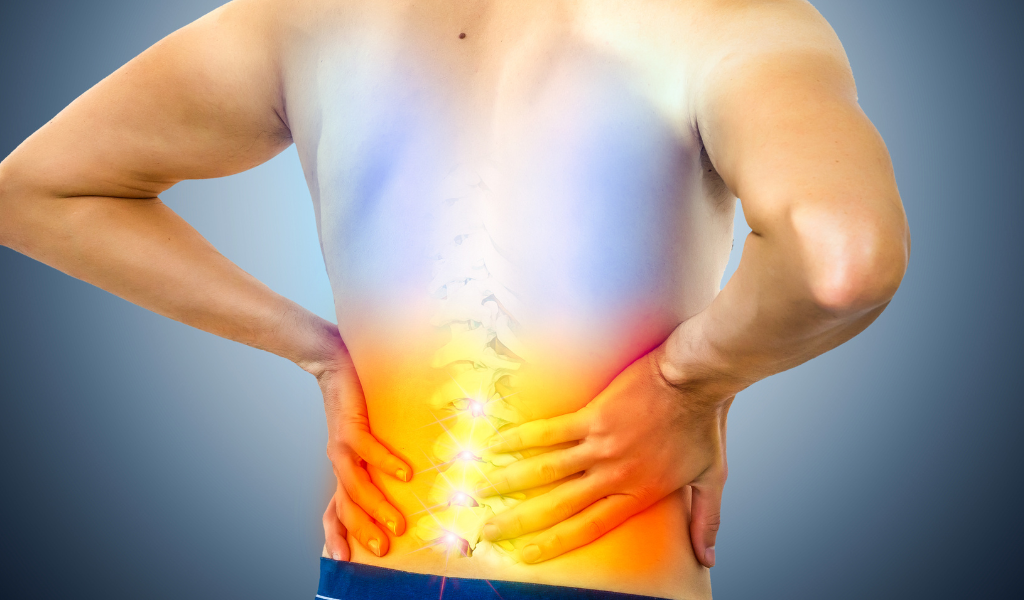
Low back pain affects approximately 951 TP3T of people worldwide at least once in their lives. Therefore, we are all aware of the fragility of the spine, and therefore the interest in preserving it is high.
More physiotherapy, fewer drugs
Physiotherapy has the very important task of understanding the mechanisms by which the back suffers. There are  Many researchers are studying low back pain and lumbosciatica, aiming to find a solution to the problem. Today, we have numerous physiotherapy tools that explain how rehabilitation can heal a back problem, but also how to maintain the benefits over time. In the future, physiotherapist It will increasingly specialize in musculoskeletal conditions: hands and exercises will be useful tools for healing. The use of drugs, ice, or any chemical methods will be increasingly rare.
In the future we will all be happily obliged to turn to a specialized physiotherapist who, through a careful evaluation,  will understand our problem and also find the solution. Today, for example, there are many spinal mobilization techniques that work even in the acute phase, and that can miraculously heal previously debilitating conditions or discomforts in a short time. This means that in the future we will have increasingly more options for addressing the problem conservatively, without the use of drugs or surgery. Therefore, manual therapy applied to physiotherapy, that is, manipulations, functional exercises, subjective assessments, are the cure for the real problem of back pain.
Physiotherapy for chronic conditions
 Chronic pain of musculoskeletal origin undoubtedly requires specialized physiotherapy. The situation is different for chronic conditions whose pain originates from more central mechanisms, where the patient requires a multidisciplinary approach.
Patients with acute lumbosciatica often come to our office after following medical advice such as medications, rest, ice, and swimming. These are recommendations that we, in our office, would have carefully considered. Usually, when a patient follows all these instructions without solving the problem, they become very discouraged. It often happens that a patient comes into our office who has followed all the advice, even the hairdresser's, suggesting us as a last resort, thus creating even greater responsibilities for us than we should. Fortunately, there are many cases in which we have been able to help the patient by solving the problem at its source.
Advances and tools in physiotherapy
Neurodynamics, for example, is a technique that we often use with patients suffering from lumbosciatica, because it works 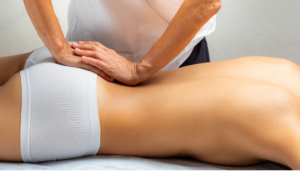 directly on the nerve and therefore on neurogenic symptoms. Today, we have many natural tools to treat lumbar spine disorders, often even more effective than those remedies that appear quick and effective.
Physiotherapy will increasingly specialize in addressing conditions that medical professionals previously lacked. In many countries, such as Australia, physiotherapists are already independent in patient management, collaborating with orthopedic surgeons only when the patient's health is at serious risk.
When you experience back pain, before becoming alarmed, get a specialized physiotherapy assessment to determine the recommended course of action. After a thorough physiotherapy diagnosis, there will be two options: either engage in physiotherapy or consult another specialist.


Via Donatello 75
00195 Rome
Tel. (+39) 06 39375719


Mon. – Fri. 8:00 – 20:00
Saturday 8:00 – 14:00

Via Donatello 75
00195 Rome
Tel. (+39) 06 39375719
Mon. – Fri. 8:00 – 20:00
Saturday 8:00 – 14:00

 Water is an extraordinary element, with multiple positive effects, and is often used in rehabilitation and orthopedic practices through hydrokinesitherapy. In a pool or in the sea, our body's actual weight is eliminated because gravity is absent. This phenomenon eliminates the load on the joints. By following this principle, reducing the load and stress, patients with back pain will be free of negative stimuli that could worsen the symptom.
 One of the most common causes of lumbago Discogenic pain, caused by the intervertebral disc, is a spinal problem that can lead to multiple consequences. Several observational studies are unclear as to whether unloading or loading the disc is more appropriate, but they do provide some very interesting answers.
 A very interesting study conducted by Treffel Loïc et al. evaluated the consequences of weightlessness for astronauts. It was observed that upon their return from space missions, numerous astronauts had developed symptoms of back pain (LBP), and many had also developed herniated discs. It is therefore fair to ask how much weightlessness (and therefore the absence of stimuli to the spine) may have played a key role in the onset of herniated discs or low back pain.
 The
The 
 – TONE THE DEEP MUSCLES i.e. the back and deep abdominal muscles (rectus and transversus abdominis) which are responsible for correct posture