
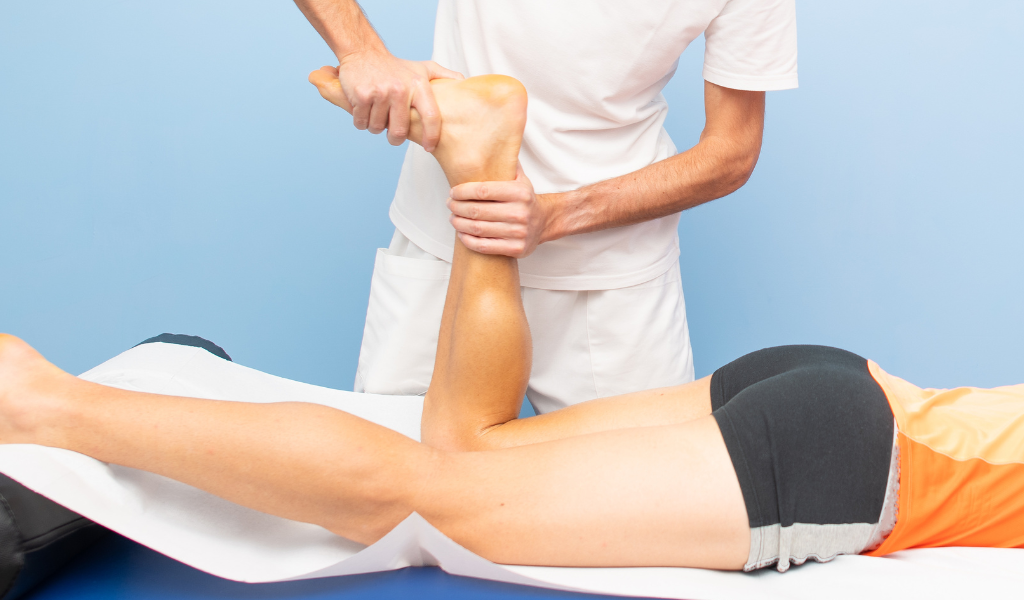
Understanding pain and its underlying mechanisms is essential for treating it and preventing it from becoming chronic. The mechanisms underlying pain generated by the nervous system are connected to all the structures it innervates: the vascular system, connective tissue, and the nervous system itself.
It is important to understand the mechanics of the nervous system, or neurodynamics, how the nervous system moves in relation to the structures surrounding it, and how to assess and diagnose nervous system problems in relation to the musculoskeletal system.
The nervous system
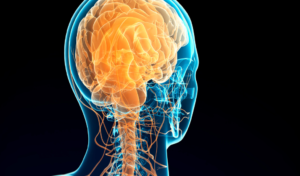 The nervous system is a complex system composed of intricate interconnections between its structures, with retrograde and anterograde conduction and bottom-up/top-down pain inhibition mechanisms. Conduction is enabled by structures such as ion channels, mechanoreceptors, synapses, and so on.
What is neurodynamics?
Neurodynamics is a branch of physical therapy that focuses on the assessment and treatment of neural dysfunction. It involves the study of the dynamics of the nervous system to understand how movements and postures can affect nerve function. The goal is to optimize nervous system health to improve mobility, reduce pain, and promote overall well-being.
How does neurodynamics influence physiotherapy?
In physical therapy, neurodynamics is often used to treat patients with symptoms such as chronic pain, numbness, tingling, or mobility limitations. A physical therapist trained in neurodynamics will assess the patient's nerve function, identifying any restrictions or neural tension. They will then develop a personalized treatment plan that may include:
 Specific nerve mobilization exercises: targeted exercises to improve mobility and reduce tension in the involved nerve structures.
Manual therapies: manual techniques such as myofascial release or targeted massage to improve nerve function.
Patient education: inform patients about the principles of neurodynamics and how to integrate specific exercises into their daily routine to improve nervous well-being.
Postural and ergonomic changes: tips on how to adopt postures and positions that reduce stress on the nervous system.
Benefits of neurodynamics for the patient
The neurodynamic approach offers several advantages for the patient, including:
 Improved mobility and flexibility: Reduction of neural tension to improve mobility and flexibility.
Pain reduction: Optimizing nerve function can significantly contribute to the reduction of chronic pain.
Prevention of relapses: Patient education on self-management and prevention can reduce the risk of recurrence.
Improving the quality of life: reduction of nervous symptoms to improve overall quality of life.
Conclusion

Physiotherapist Andrea Sgambati
Neurodynamics represents an advanced approach in physiotherapy, focused on the health of the nervous system. If you are experiencing symptoms related to the nervous system or want to optimize your mobility and reduce pain, you may benefit from consulting with a specialized physiotherapist in neurodynamics. This holistic approach can be a valuable resource for improving your nervous health and overall well-being.


Via Donatello 75
00195 Rome
Tel. (+39) 06 39375719


Mon. – Fri. 8:00 – 20:00
Saturday 8:00 – 14:00

Via Donatello 75
00195 Rome
Tel. (+39) 06 39375719
Mon. – Fri. 8:00 – 20:00
Saturday 8:00 – 14:00


 Carpal tunnel syndrome: a condition in which the median nerve in the wrist is compressed, leading to tingling and numbness.
 Specialist evaluation