

Benefits of the sea
 In water, our body weight becomes zero, and due to the buoyancy, it's easier to ignore our weight. However, this depends on the depth of the water covering our body. The more surface area of our body is immersed in water, the more resistance we'll encounter, which can be used to train our cardiovascular and musculoskeletal systems.
Walking in deep water can be beneficial for vascular conditions such as phlebitis or venous insufficiency, vascular disease, or neurological conditions such as Parkinson's disease or multiple sclerosis. It's also very beneficial for obese or sedentary patients. Immersing yourself in water facilitates standing, resistance training, and therefore movement.
Water therapy and weightlessness: pros and cons
 However, water therapy is often recommended for conditions such as disc disease and lumbago without having carried out a sufficient assessment.
In reality, water has no negative effects, but the specialists' advice is wrong. The absence of gravity in water can be a useful factor for certain pathologies, but it is wrong to advise against doing so. hydrokinesitherapy at all costs for disc pathologies. Water cannot be defined as a harmful element for the body, but Continuous exposure to zero gravity (as for example for swimmers and astronauts) can lead to multiple problems, such as ligament laxity and even spinal problems, as the spine is no longer accustomed to supporting the gravitational load.
 Swimming or walking in water aims to strengthen muscles, useful for example for the knee joint, doing physical activity to help the cardiocirculatory rhythm, and doing physical exercise useful for general health, but certainly cannot have the aim of reducing back pain.
Many patients choose, even under medical advice, to go to the pool for meniscal, arthritic, or post-operative issues. This can be effective when the patient feels the need to move. Everything becomes easier in the water, however, rehabilitation cannot be reduced to water lessons, as the body needs to rehabilitate while carrying weight, and therefore on dry land. We are terrestrial animals, therefore constantly subject to gravity, and for this reason, rehabilitation is designed to bring the patient back to their natural habitat.
Correct rehabilitation
For example, some patients who underwent knee cruciate ligament surgery or hip replacements received post-operative treatment recommendations from their doctor, which included only hydrokinesitherapy and walking. A year later, these patients, having failed to undergo proper rehabilitation, are at risk of chronic inflammation such as tendinitis, postural problems, back pain, and other conditions. This leads to the need to consult a therapist, which they could have avoided if they had followed the correct post-operative protocol.
Claiming that doctors often give incorrect advice may be inappropriate, but it helps patients better understand the causes of certain problems, which often remain unresolved or difficult to resolve.


Via Donatello 75
00195 Rome
Tel. (+39) 06 39375719


Mon. – Fri. 8:00 – 20:00
Saturday 8:00 – 14:00

Via Donatello 75
00195 Rome
Tel. (+39) 06 39375719
Mon. – Fri. 8:00 – 20:00
Saturday 8:00 – 14:00

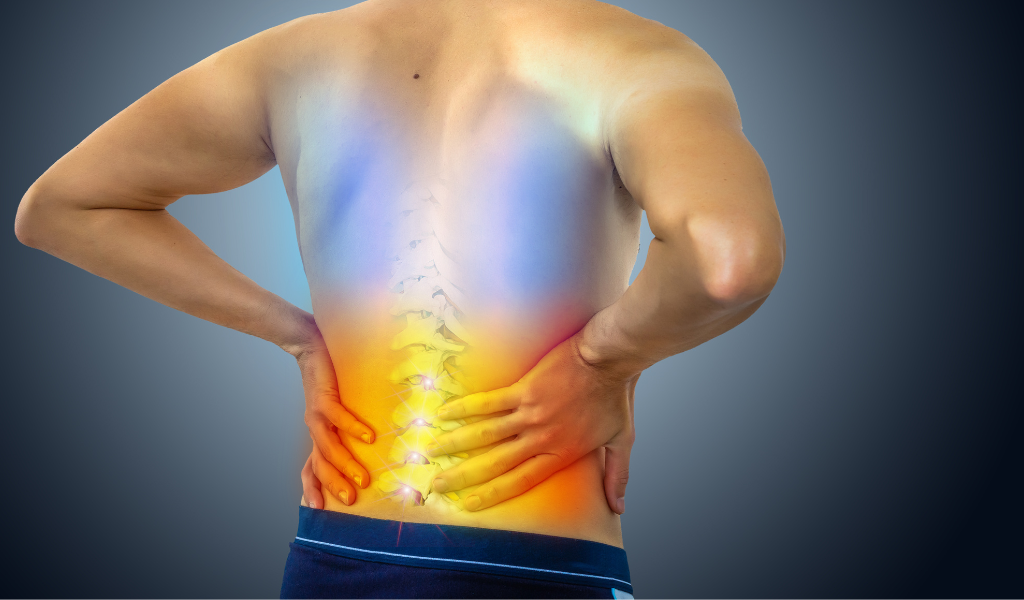
 Water is an extraordinary element, with multiple positive effects, and is often used in rehabilitation and orthopedic practices through hydrokinesitherapy. In a pool or in the sea, our body's actual weight is eliminated because gravity is absent. This phenomenon eliminates the load on the joints. By following this principle, reducing the load and stress, patients with back pain will be free of negative stimuli that could worsen the symptom.
 One of the most common causes of lumbago Discogenic pain, caused by the intervertebral disc, is a spinal problem that can lead to multiple consequences. Several observational studies are unclear as to whether unloading or loading the disc is more appropriate, but they do provide some very interesting answers.
 A very interesting study conducted by Treffel Loïc et al. evaluated the consequences of weightlessness for astronauts. It was observed that upon their return from space missions, numerous astronauts had developed symptoms of back pain (LBP), and many had also developed herniated discs. It is therefore fair to ask how much weightlessness (and therefore the absence of stimuli to the spine) may have played a key role in the onset of herniated discs or low back pain.