

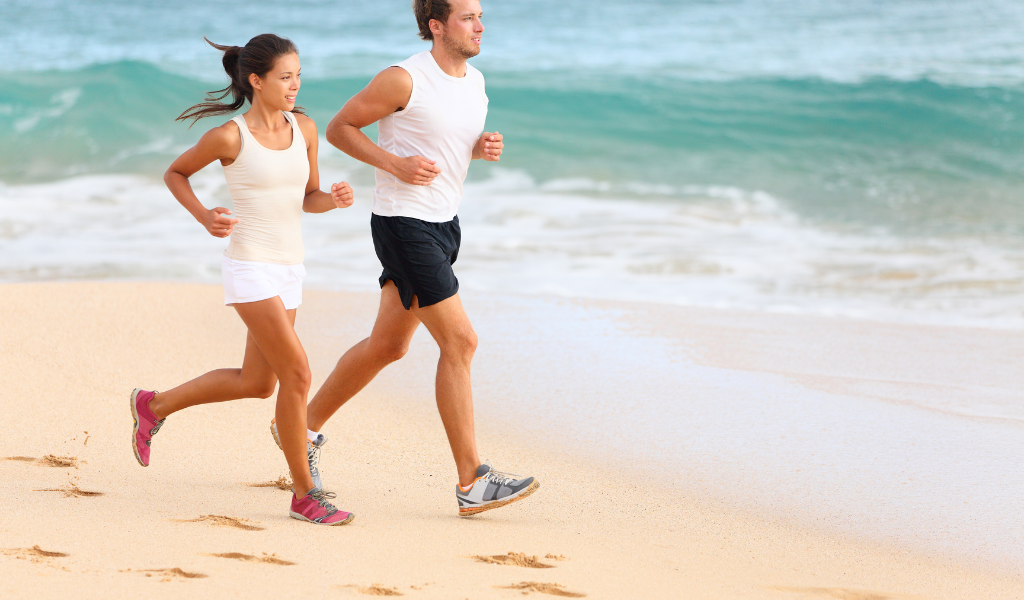
Outdoor workouts and scorching heat
Summer can be very hot, especially in countries like Italy. When temperatures exceed certain levels, it becomes dangerous to train outdoors. Therefore, we must learn to manage the heat to avoid negative effects that can jeopardize our health.
 The alternation of hot and cooler periods is unpredictable, although climate change is accustoming us to sudden changes even during the summer; one variable, for example, is the wind direction. When the wind blows from the north, we'll experience a period of dry heat, yet pleasant weather because it comes from cooler climates. When the wind blows from Africa, and therefore from the south, we struggle even to sleep, let alone exercise. But how can we manage this alternation of high temperatures and high humidity while still finding time to exercise?
Physical condition
We can all find solutions without incurring health problems, even when temperatures exceed 40°C, by using common sense. I've always been an advocate of exercise and never recommend a lazy, sedentary lifestyle. First, it's important to assess our general health, physical condition, comorbidities, and age, which shouldn't be underestimated. After a thorough self-assessment, we choose the activity we enjoy most. A very common example is running, which requires very intense physical effort and exposes us to the hot sun if we run outdoors, compared to a treadmill, which is usually found indoors.
 If we decide to run during the summer, we recommend running during the cooler hours, such as early morning or evening after 7:00 PM. If this is absolutely impossible because your only free time is your lunch break, we should choose a tree-lined route where the temperature is much lower than a scorching asphalt road. Remember to evaluate your starting condition: if you're untrained, over 70, overweight, or have cardiovascular problems, training outdoors in temperatures above 30 degrees is highly inadvisable. However, many people are accustomed to training and running even during the hottest hours of the day, but you should never improvise.
Prevent heat stroke
 The fundamental tips for training in the summer and in the heat are: leave the house during the coolest hours, choose a tree-lined path, wet your head and wrists with cold water, drink Drink plenty of water before and during training, have a good breakfast so you have the energy you need to face the physical effort, but the most sincere advice is not to overdo it, do progressive training, then gradually increase the difficulty and the time spent exposed to fatigue and sun. Real training should lead us to the goal of improving ourselves without exposing us to unnecessary risks to our health.
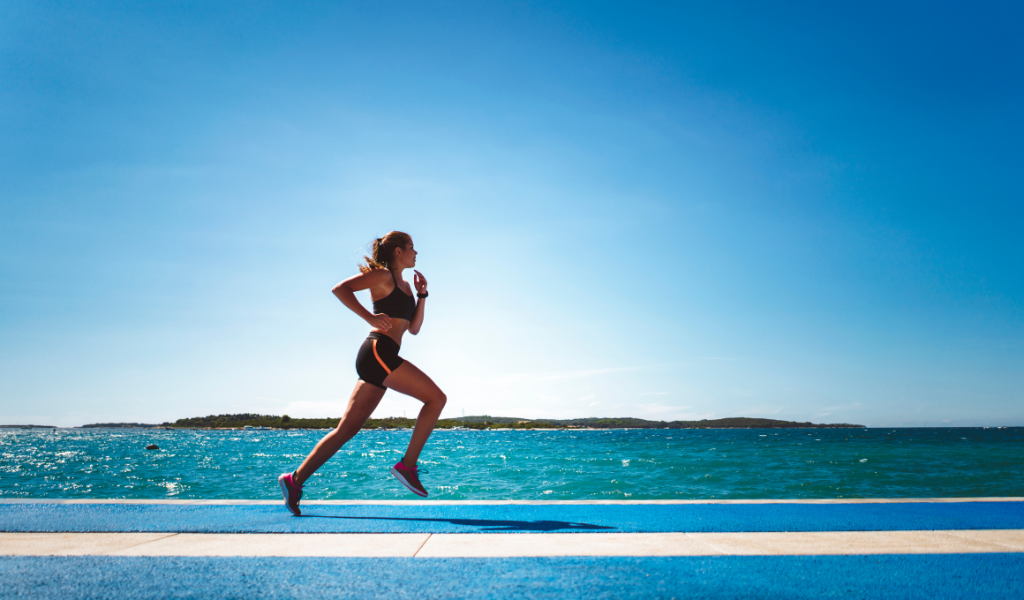
 Summer is a season when many people engage in outdoor sports, such as swimming, running, cycling, and soccer. During this time, it's even more important to eat properly and maintain adequate hydration, as the thermal and physical stress our bodies are subjected to during physical activity is significantly greater.
 Maintaining adequate hydration is essential for athletic performance and, in general, for overall health. During the summer, due to high temperatures, the body loses more fluids through sweating. Dehydration can lead to decreased physical performance, energy drops, excessive fatigue, and muscle cramps. Therefore, maintaining adequate fluid balance is essential.