

A balanced body is essential for good health and overall well-being. However, many people suffer from postural asymmetries, which can lead to a variety of physical problems, including muscle pain, tension, and impaired function. In this article, we'll explore postural asymmetries, their causes, associated symptoms, and how a physical therapist can help improve posture and reduce the risk of injury.
What is postural asymmetry?
 Postural asymmetry occurs when there are visible or measurable differences between the posture of one part of the body and another. These asymmetries can affect the shoulders, hips, spine, or other parts of the body. Asymmetrical posture can be due to a variety of factors, including postural habits, past injuries, muscle dysfunction, or structural problems.
Common causes of postural asymmetries
 Postural asymmetries can have many different causes, including:
Incorrect postural habits: incorrect posture maintained over time can lead to muscle imbalances.
Previous injuries: Injuries or trauma can alter posture and affect body symmetry.
Muscle dysfunctions: Weakness or imbalances in the muscles that support the spine and joints can contribute to asymmetries.
Structural problems: Anatomical abnormalities can lead to postural asymmetries, although they are less common.
Postural asymmetries can cause various symptoms, including:
 • Muscle pain, often in the lower back, neck and shoulders.
• Limitations in range of motion.
• Muscle fatigue and joint dysfunction.
• Balance and coordination problems.
The role of physiotherapy in the treatment of postural asymmetries
Physiotherapists play a key role in treating postural asymmetries. Here's how they can help:

Specialist evaluationtica: A physical therapist will conduct a thorough assessment to identify the specific causes of postural asymmetries.
Personalized treatment plan: Based on the assessment, the physical therapist will develop a personalized treatment plan to address the asymmetries, which may include therapeutic exercises, joint mobilizations, and other manual therapies.
Strengthening exercisesTargeted exercises to strengthen weak muscles and restore muscle balance are often an integral part of treatment.
Education on correct alignment: The physiotherapist can teach the patient how to maintain correct posture and adopt healthy postural habits in everyday life.
Prevention of recurrence: Physical therapists work to prevent recurrence of postural asymmetries through education and ongoing follow-up.

Physiotherapist Andrea Sgambati
Postural asymmetries can negatively impact overall health and well-being, but physiotherapy can help correct these dysfunctions and improve the quality of life. If you have noticed asymmetries in your posture or suffer from related symptoms, consult a physiotherapist Seek expert advice for an appropriate assessment and treatment. Correcting postural asymmetries can not only relieve pain, but also prevent future injuries and improve your quality of life.


Via Donatello 75
00195 Rome
Tel. (+39) 06 39375719


Mon. – Fri. 8:00 – 20:00
Saturday 8:00 – 14:00

Via Donatello 75
00195 Rome
Tel. (+39) 06 39375719
Mon. – Fri. 8:00 – 20:00
Saturday 8:00 – 14:00


 Stress is a common problem in today's society and can significantly impact a person's health and well-being. Its impact extends far beyond the mental sphere, also affecting the body and the immune system. However, there are many strategies for managing stress, and one of the most effective is yoga. Yoga not only helps reduce stress, but also promotes relaxation and overall well-being.
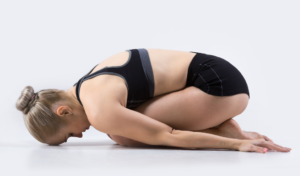 Child's pose (child's pose): This pose involves a gentle stretch of the back and helps relax the lower back muscles.
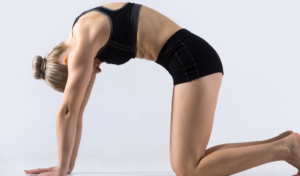 Cat-cow pose (Cat-Cow Pose): This fluid movement helps release tension in the spine and relaxes the upper body.
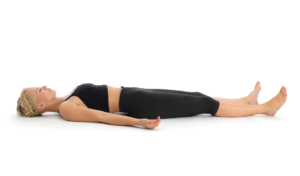 Savasana (corpse position): a position of total relaxation, ideal for restoring calm and mental clarity.
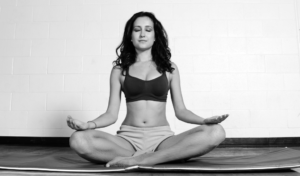 4-7-8 Breathing TechniqueInhale for 4 seconds, hold for 7 seconds, and exhale for 8 seconds. This breathing exercise has been shown to reduce anxiety.