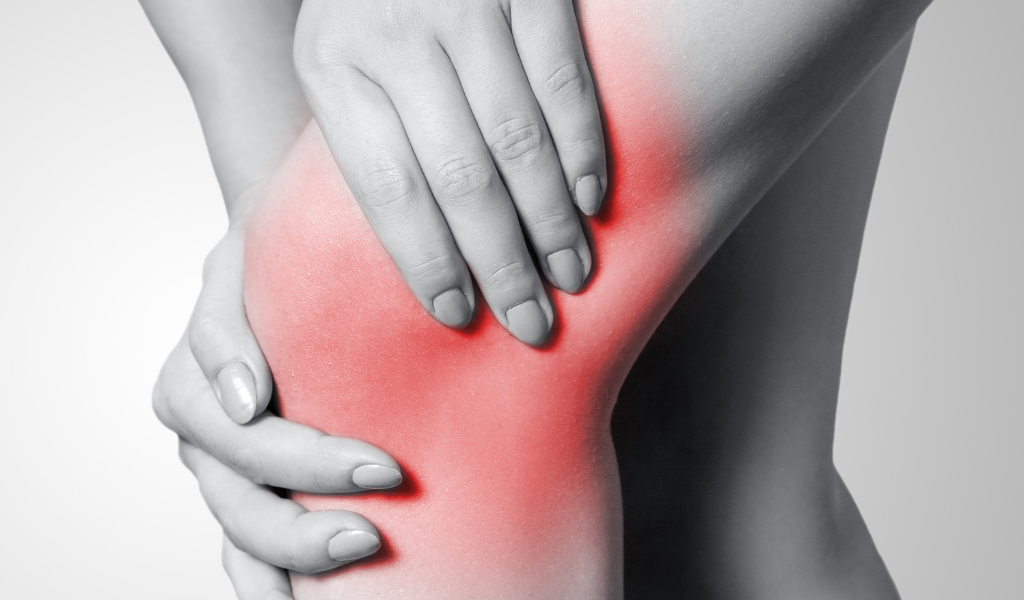
Exercise is an essential component of a healthy lifestyle, but nothing can put a stop to your routine faster than knee pain. Knee pain during exercise can be frustrating and discouraging, but understanding the causes and solutions can help you overcome this obstacle. In this article, we'll examine the possible causes of knee pain during exercise, preventative measures, and how physical therapy can play a crucial role in recovery and prevention.
Common causes of knee pain during exercise
Knee pain during exercise can result from:
Overload: Overusing your knee without proper rest can cause injury and inflammation.
 Incorrect squat or deadliftPerforming exercises like squats or deadlifts with incorrect technique can put excessive pressure on the knee joints.
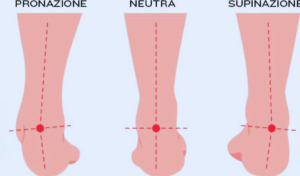
Overpronation or supination of the foot: Foot posture problems can affect the way your knee moves during training.
Previous injuries: Past knee injuries increase the risk of recurring pain.
Limited flexibility: Lack of muscle and joint flexibility can cause tension and stress on the knee.
Preventing knee pain during exercise
Prevention is often the key to avoiding knee pain during exercise. Here are some preventative measures:
Proper warm-up: Make sure you warm up before every workout to prepare your muscles and joints.
Correct technique: Learn the correct technique for the exercises and ask a qualified instructor for advice.
Gradual progression: Gradually increase the intensity and load of the exercises to avoid overload.
Adequately cushioned shoes: Choose proper training shoes that support your feet and knee joints.
Improves flexibility and mobility: Include stretching and mobility exercises in your routine to keep your muscles and joints flexible.
The role of physiotherapy in recovery and prevention
When knee pain occurs, physiotherapy can be the ideal solution. An experienced physiotherapist can:
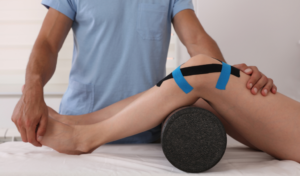 Assess the injury: Identify the cause of the pain and develop a personalized treatment plan.
Provide manual therapies: use manual therapies to reduce pain and inflammation.
Strengthening exercises: prescribe targeted exercises to strengthen the muscles surrounding the knee.
Patient education: teach the patient prevention techniques and ways to avoid future injuries.
In conclusion, Knee pain during exercise is a problem  Common but manageable. Prevention through good exercise practices is essential, but if pain occurs, don't hesitate to consult an experienced physical therapist. Physiotherapy It can help you recover, improve your posture and prevent future injuries, allowing you to return to your workout routine safely and pain-free.


Via Donatello 75
00195 Rome
Tel. (+39) 06 39375719


Mon. – Fri. 8:00 – 20:00
Saturday 8:00 – 14:00

Via Donatello 75
00195 Rome
Tel. (+39) 06 39375719
Mon. – Fri. 8:00 – 20:00
Saturday 8:00 – 14:00

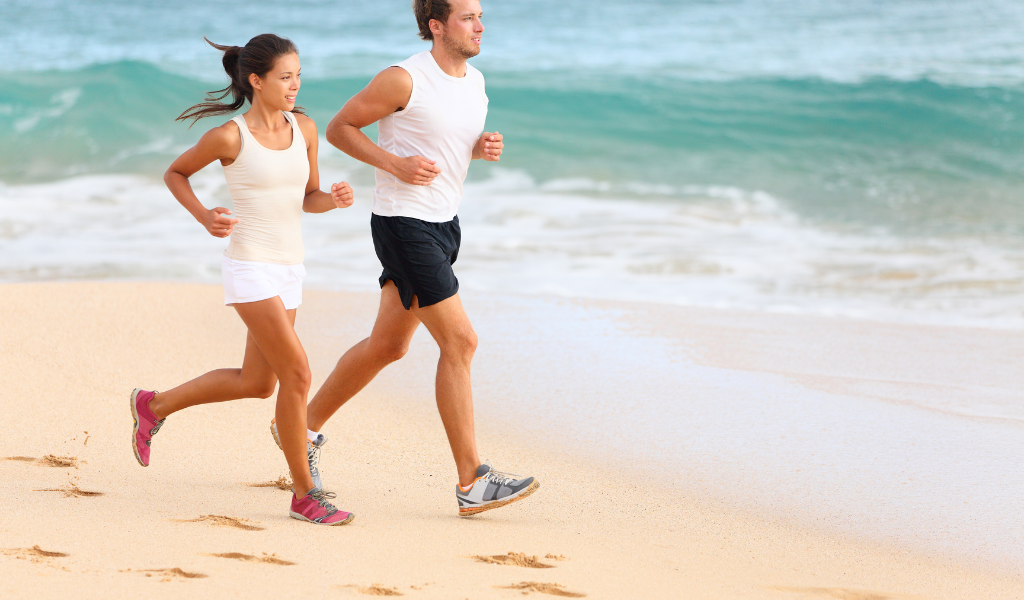
 The alternation of hot and cooler periods is unpredictable, although climate change is accustoming us to sudden changes even during the summer; one variable, for example, is the wind direction. When the wind blows from the north, we'll experience a period of dry heat, yet pleasant weather because it comes from cooler climates. When the wind blows from Africa, and therefore from the south, we struggle even to sleep, let alone exercise. But how can we manage this alternation of high temperatures and high humidity while still finding time to exercise?
 If we decide to run during the summer, we recommend running during the cooler hours, such as early morning or evening after 7:00 PM. If this is absolutely impossible because your only free time is your lunch break, we should choose a tree-lined route where the temperature is much lower than a scorching asphalt road. Remember to evaluate your starting condition: if you're untrained, over 70, overweight, or have cardiovascular problems, training outdoors in temperatures above 30 degrees is highly inadvisable. However, many people are accustomed to training and running even during the hottest hours of the day, but you should never improvise.
 The fundamental tips for training in the summer and in the heat are: leave the house during the coolest hours, choose a tree-lined path, wet your head and wrists with cold water, drink Drink plenty of water before and during training, have a good breakfast so you have the energy you need to face the physical effort, but the most sincere advice is not to overdo it, do progressive training, then gradually increase the difficulty and the time spent exposed to fatigue and sun. Real training should lead us to the goal of improving ourselves without exposing us to unnecessary risks to our health.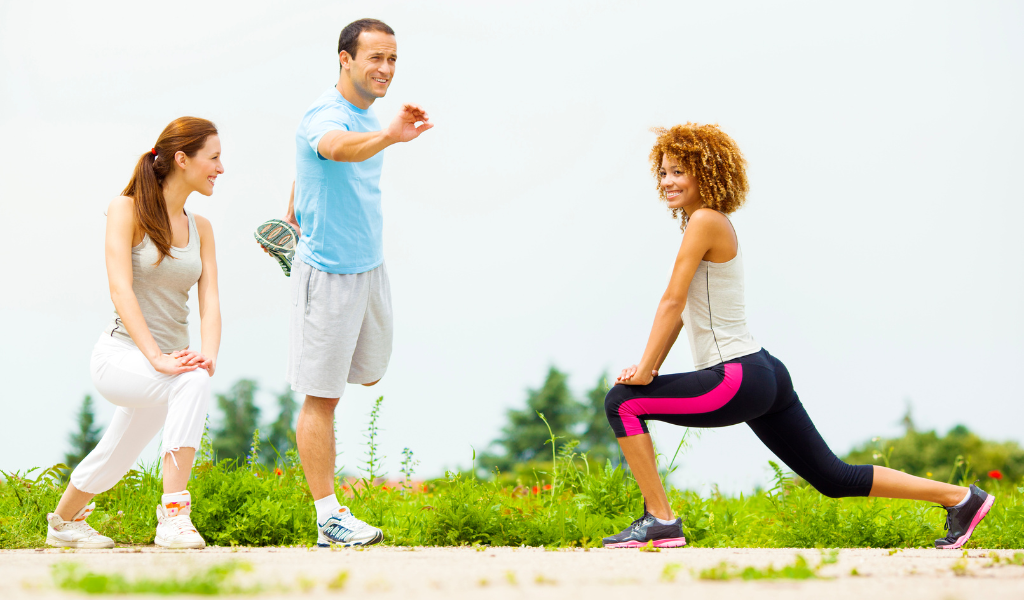
 -Importance of a good warm-up: warming up serves to raise body temperature, thus improving the FLUIDITY of the blood and promoting the OXYGENATION of the muscles in order to avoid contractures, strains or tears.