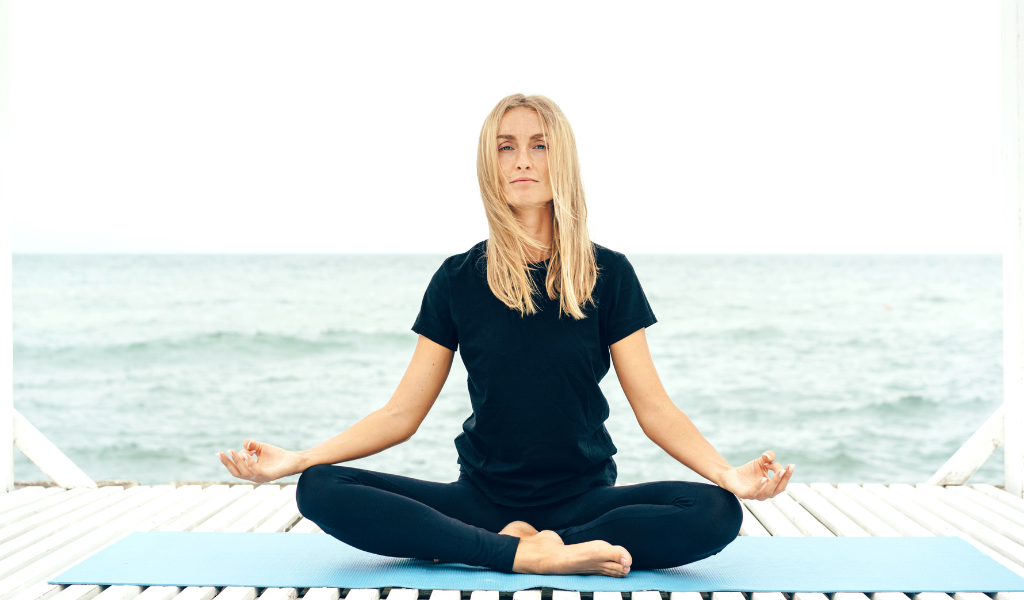
 Stress is a common problem in today's society and can significantly impact a person's health and well-being. Its impact extends far beyond the mental sphere, also affecting the body and the immune system. However, there are many strategies for managing stress, and one of the most effective is yoga. Yoga not only helps reduce stress, but also promotes relaxation and overall well-being.
Yoga and stress
Yoga It is an ancient discipline that combines physical movements, controlled breathing and meditation to create a balance between mind and bodyThis practice is particularly effective in managing stress, as it works on various levels:
• Reduction of muscle tension: Many yoga poses involve relaxing and loosening the muscles, reducing the feeling of tension that often accompanies stress.
• Improved blood flow: Yoga promotes blood flow, ensuring better oxygen delivery to the brain, which in turn can improve mental clarity and the ability to manage stress.
• Breathing control: Conscious control of breathing is essential in yoga. This helps us calm down and manage our breathing during stressful situations.
• Meditation and awareness: Yoga practice often includes moments of meditation and mindfulness, which can help reduce anxious thoughts and focus on the present.
Yoga exercises for stress management
Here are a series of yoga poses and breathing techniques you can try to reduce stress:
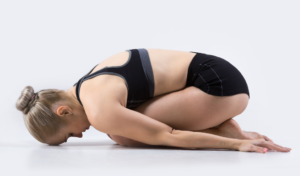 Child's pose (child's pose): This pose involves a gentle stretch of the back and helps relax the lower back muscles.
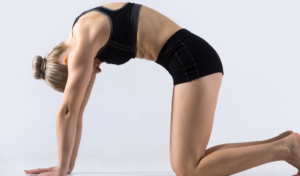 Cat-cow pose (Cat-Cow Pose): This fluid movement helps release tension in the spine and relaxes the upper body.
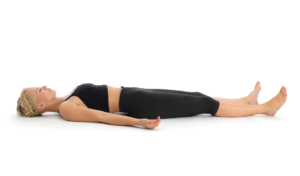 Savasana (corpse position): a position of total relaxation, ideal for restoring calm and mental clarity.
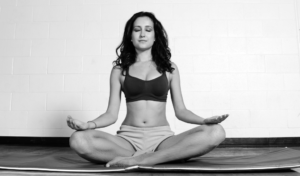 4-7-8 Breathing TechniqueInhale for 4 seconds, hold for 7 seconds, and exhale for 8 seconds. This breathing exercise has been shown to reduce anxiety.
Long-term benefits
Regular yoga practice for stress management can lead to significant long-term benefits. These include:
• Improved resistance to stress: Yoga helps you develop greater resilience to stressful situations.
• Better emotional well-being: Yoga practice promotes the production of endorphins, improving your overall mood.
• Improved physical health: By reducing stress, yoga can help prevent stress-related physical ailments, such as high blood pressure and gastrointestinal disorders.
• Increased energy and concentration: Yoga improves mental clarity and energy, which can help you be more productive in your everyday life.
In an increasingly stressful world, yoga offers a lifeline for emotional well-being. If you want to manage your stress in a healthy and effective way, start practicing yoga. Even just a few minutes a day can make a difference. Not only will you feel more relaxed and at peace, but you'll also enjoy better long-term physical and mental health. So, take some time for yourself, roll out your mat, and begin your journey toward a less stressful and more balanced life.


Via Donatello 75
00195 Rome
Tel. (+39) 06 39375719


Mon. – Fri. 8:00 – 20:00
Saturday 8:00 – 14:00

Via Donatello 75
00195 Rome
Tel. (+39) 06 39375719
Mon. – Fri. 8:00 – 20:00
Saturday 8:00 – 14:00