
Sciatica It's a painful condition that affects many people, impacting their quality of life and limiting their mobility. Understanding the underlying causes, associated symptoms, and treatment approaches is essential for those seeking relief from sciatica. In this article, we'll explore sciatica from a physical therapy perspective, providing helpful information for those living with this condition.
What is Sciatica?
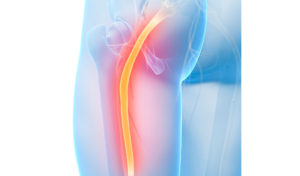 Sciatica refers to pain radiating along the sciatic nerve, the longest and widest nerve in the human body. This nerve extends from the lower back, through the buttocks, and down the back of each leg. Sciatica can manifest as a dull, burning, or sharp pain, often accompanied by tingling or numbness along the nerve's path.
Common Causes of Sciatica
Sciatica can have several causes, including:
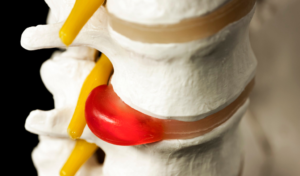 Lumbar Disc Herniation: One of the most common causes, in which the inner material of a spinal disc bulges and compresses the sciatic nerve.
Spinal Stenosis: a narrowing of the spinal canal that can put pressure on the nerve.
Piriformis Syndrome: irritation or compression of the sciatic nerve due to contraction of the piriformis muscle.
Injuries or TraumasAccidents or injuries involving the spine can damage the sciatic nerve.
Symptoms of Sciatica
Typical symptoms of sciatica include:
Pain extending from the lower back down the back of the leg.
Tingling or numbness in the leg or foot.
Weakness muscle in the affected leg.
Increased pain during prolonged sitting or lifting weights.
Therapeutic Approaches in Physiotherapy for Sciatica
Physiotherapy plays a key role in the treatment of sciatica. Therapeutic approaches may include:
 Therapeutic Exercises aimed at strengthening the back muscles and improving flexibility.
Manual Therapies such as therapeutic massage and myofascial release to relieve muscle tension and reduce nerve compression.
Specific stretching focused on the affected area to reduce tension.
Instructions on Correct Postures which can reduce pressure on sciatica.
Heat or cold therapy to reduce inflammation.
Prevention and Continuous Management
Prevention of sciatica may include practices such as maintaining a healthy body weight, adopting correct posture and regular exercise. For those living with chronic sciatica, ongoing management through physiotherapy can help maintain well-being and prevent relapses.
Conclusion

Physiotherapist Andrea Sgambati
Addressing sciatica requires a thorough understanding of its causes and targeted management through the assistance of physiotherapy.If you are experiencing symptoms of sciatica, consult an experienced physiotherapist For a detailed assessment and personalized treatment plan, physical therapy can be a crucial element in your journey to sciatica relief and a return to an active, pain-free life.


Via Donatello 75
00195 Rome
Tel. (+39) 06 39375719


Mon. – Fri. 8:00 – 20:00
Saturday 8:00 – 14:00

Via Donatello 75
00195 Rome
Tel. (+39) 06 39375719
Mon. – Fri. 8:00 – 20:00
Saturday 8:00 – 14:00