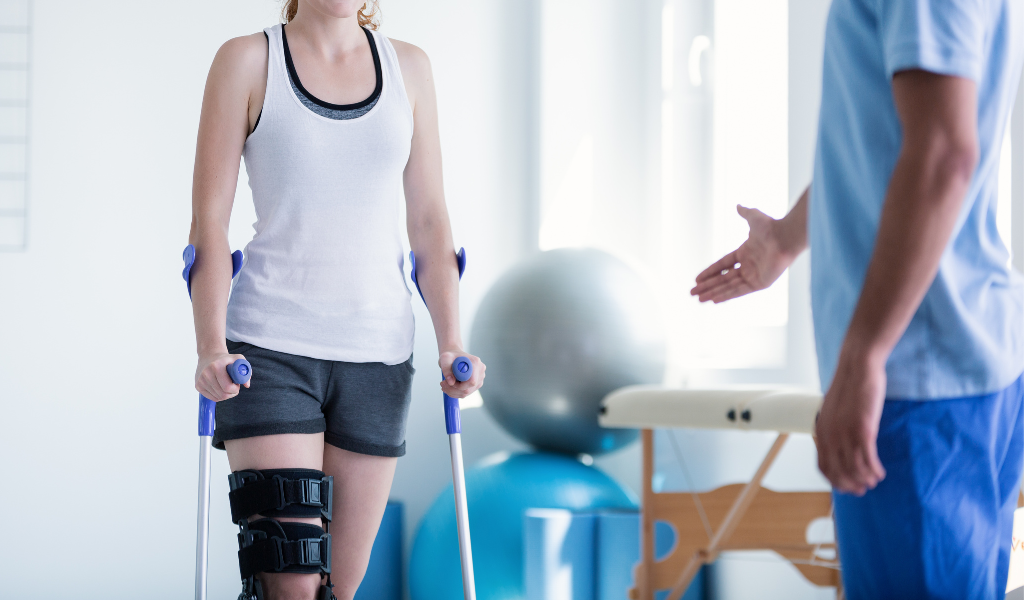
During the summer period or close to the summer holidays, many patients undergo surgery by scheduling the intervention, sometimes 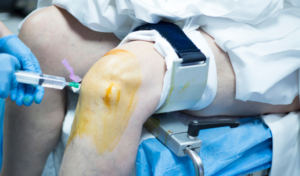 Surgery, on the other hand, is a consequence of a serious injury and therefore unplanned. After surgery, it is necessary to avoid blood clotting, you may have difficulty walking, if the operation was performed on the lower limbs, you may need to wear a brace or elastic stocking... There are numerous precautions that should not be underestimated, but one of the most important recommendations is GRADUALITY in things.
Post-operation: how to behave
 Often, regardless of the surgery, patients feel able to perform the normal movements or activities they did before. However, it's best to avoid the initial period, so as not to jeopardize the surgeon's work or avoid unnecessary complications. Often, those who undergo surgery in the summer decide their rehabilitation plan independently, and this is the worst thing they can do.
In some cases, after total hip replacements or knee ligament reconstructions, patients who didn't follow the guidelines, who decided to perform exercises on their own, or worse, did nothing at all, have encountered significant problems. This happens when we don't feel pain, so we don't fear causing harm. Often, however, pain is a good thing because, as an alarm, it warns us that something is wrong and that we need to be cautious, especially during the early post-operative phases.
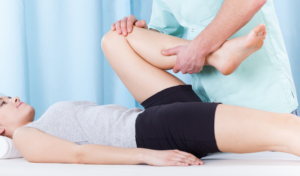
The first few weeks are crucial! For example Anterior cruciate ligament reconstruction takes at least 6-8 months before returning to physical activity or sports. During the first three months, you should consult a physiotherapy center, subsequently one should be followed, in any case, by a person specialized in rehabilitation. The post-operative path of a total hip replacement, on the other hand, requires at least 4-5 months of rehabilitation two of which inside a physiotherapy center.
Surgical interventions during the summer
A great tip for those undergoing surgery in the summer is to do physical therapy and postpone vacation to avoid a difficult and complicated rehabilitation afterwards. The human body is truly debilitated during surgery, as if it had suffered a serious injury, so it requires time to recover. Sometimes it can take up to a year to regain normal physical condition, meaning strength, trophism, and control, and only with the help of professionals can we truly recover optimally.
 It's a mistake to think that by resting or staying home to let time pass, you're recovering, because that's not the case. In fact, it's a harmful and dangerous attitude. Those who choose or who undergo surgery due to force majeure, before or during the summer, must do physiotherapy with industry professionals, even sacrificing a few moments of pause, relaxation and holidays for a greater good that will be found in the future.
Patients who underwent physical therapy one year after surgery reported serious problems such as back pain, difficulty walking, difficulty or pain when running, general joint pain, and swelling. This was all due to failure to follow the correct rehabilitation program. One problem can lead to another.
Therefore, the role of the physiotherapist, manual therapist, or orthopedist is to recommend the appropriate rehabilitation program so that the patient can return to a state of balance and normality as much as possible.


Via Donatello 75
00195 Rome
Tel. (+39) 06 39375719


Mon. – Fri. 8:00 – 20:00
Saturday 8:00 – 14:00

Via Donatello 75
00195 Rome
Tel. (+39) 06 39375719
Mon. – Fri. 8:00 – 20:00
Saturday 8:00 – 14:00