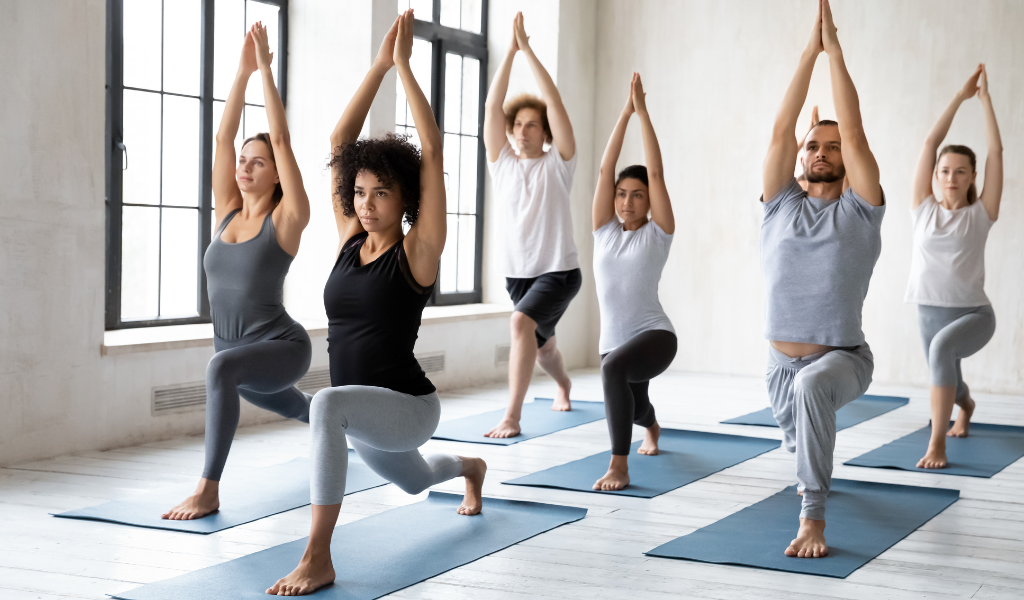
 Pilates It's a training method that teaches body awareness, strengthening it, correcting posture, and improving the fluidity and precision of movement. Much of the work focuses on strengthening the muscles that contribute to our posture, including the core and paravertebral muscles at the dorsal and lumbar levels.
Incorrect postures
 In our daily lives, we're constantly subjected to excessively static postures due to work, long hours spent sitting, the weight of gravity, and physical strain. All of these factors lead to poor posture, with a hunched back, increased kyphosis, and a vertical position of the cervical or lumbar spine.
Posture corrections with Pilates
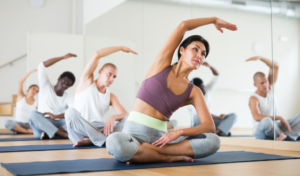 Pilates, with its training method, has the ability to simultaneously strengthen and correct posture, working the back muscles with virtually no risk of injury. Once you follow the correct progression of exercises, your back will undoubtedly become stronger, and a strong back will consequently lead to better posture. Well-trained back and abdominal muscles will allow you to better support your entire torso, leading, class after class, to a naturally upright posture and consequently better posture.
Pilates Matwork or with Reformer
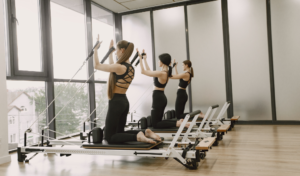 Pilates exercises can be performed free body on the mat with a Pilates matwork, but also with the help of a machine called Reformer This will increase the resistance profiles of the exercises. Furthermore, breathing during the class will further release tension accumulated throughout the day and improve muscle strengthening. Unlike other types of training, in Pilates, each exercise is repeated a few times and performed slowly and with great precision, focusing not on quantity but on the quality of movement.
“The Pilates Method develops the body uniformly, corrects posture, restores vitality, invigorates the mind and elevates the spirit.” Joseph Pilates

Via Donatello 75
00195 Rome
Tel. (+39) 06 39375719

Mon. – Fri. 8:00 – 20:00
Saturday 8:00 – 14:00

Via Donatello 75
00195 Rome
Tel. (+39) 06 39375719
Mon. – Fri. 8:00 – 20:00
Saturday 8:00 – 14:00