
The importance of water in the human body
The importance of water: Our bodies are composed largely of water. Drinking water is essential for life; in fact, a water fast cannot last more than three days. Water, like vitamins and minerals, is considered a non-energy component of the diet, as it provides no calories.

Human water content varies significantly depending on age, build, and diet. Furthermore, organs and tissues are hydrated differently. When young, we have significantly higher water content, especially in soft tissues, skin, and connective and subcutaneous tissues. As we grow, our water content progressively decreases from an average of 751 TP3T in infants to approximately 501 TP3T in older adults.
The importance of water in our body
Water plays an extraordinarily important role in the human organism as it is an element necessary for the correct maintenance of vital functions (digestion, excretion, nutrient transport, respiration, thermoregulation).
In fact, life depends on the accessibility of water, whose supply must be continuously guaranteed for these vital functions to take place. Quantitatively, water is the main constituent of the organism: in a man medium-sized adult (70 kg) represents approximately the 60% of body weight; the women, compared to humans, have a lower water content, equal to approximately 50% of body weight; in the newborns this percentage reaches 75% of body weight. The need to drink water for humans (about 2-2.5 liters per day) can vary depending on the person's physiopathological conditions.
In particular, water within the body performs the following functions:

-
- regulates cell volume and body temperature
- allows the body to absorb and assimilate minerals, vitamins, amino acids and other substances
- aids digestive processes
- enables the transport of nutrients to cells and oxygen to the brain
- promotes the removal of toxins and metabolic waste
- acts as a lubricant for joints and muscles
How much water should you drink?
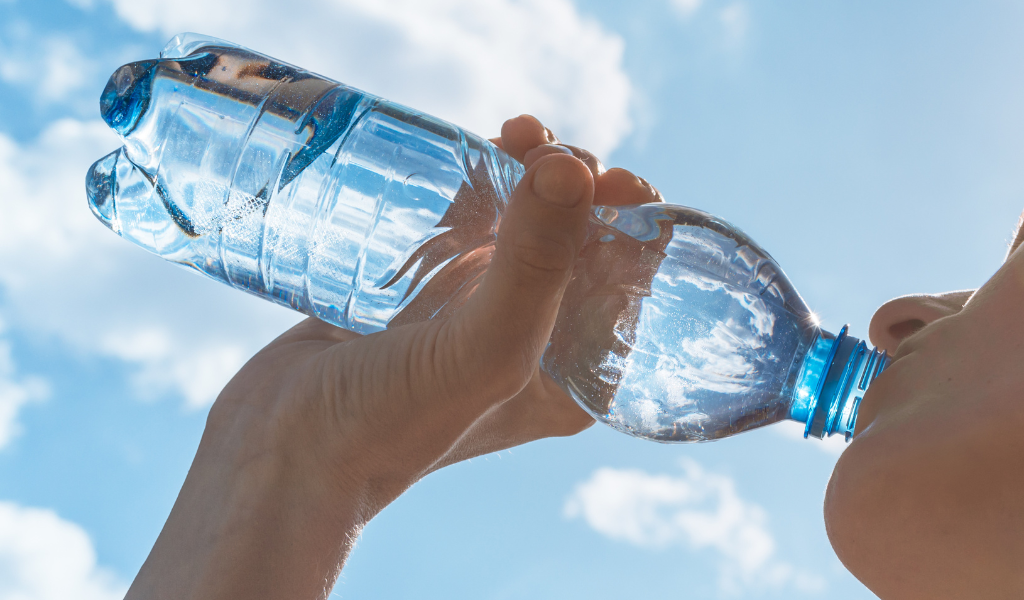
If we want to know exactly how much water our body needs, we just need to do a simple operation: multiply the kg of our weight by 14.2 and then divide by 113The answer is the number of glasses our body needs.
How to choose water to drink
The values and information we must learn to read on water labels are:
-
- The fixed residue: Fixed residue, measured in mg/l, is the quantity of inorganic minerals contained in one liter of water, i.e., the dry residue remaining after evaporating one liter of water at 180°C. It is recommended to have water with a fixed residue of less than 30 mg/l.
- The pH value: pH is a magnetic value and measures the degree of acidity/basicity. The determination of pH in order to achieve or
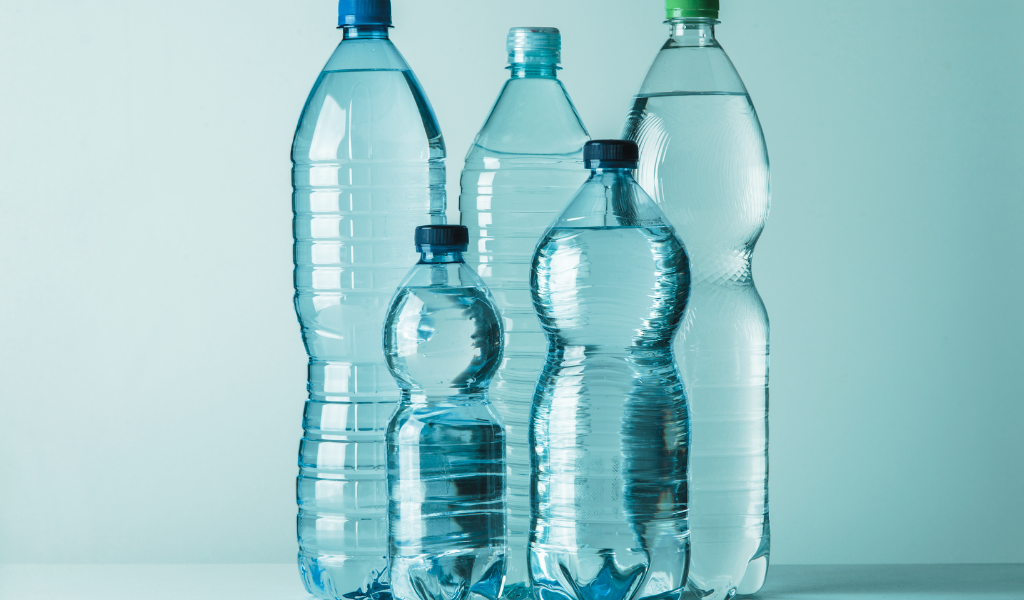 Maintaining excellent health is extremely important because the human body tends to oxidize, or become alkaline, as it ages. It is recommended to drink between 1.5 and 2 liters of pure water every day, with a pH between 6.4 and 6.8.
 - Oxygen: We also ingest useful oxygen through water because, passing through the stomach walls, it enriches the venous blood reaching the liver. A high oxygen content (ideally at least 7 mg/L) in water can therefore contribute to the proper functioning of this organ.
- Nitrates: It's important to keep the nitrate content low because there's a risk of nitrosamine formation in the human body after ingesting nitrates or foods containing amines. It's recommended to choose water with a maximum nitrate content of 5.0 mg per liter.


Via Donatello 75
00195 Rome
Tel. (+39) 06 39375719


Mon. – Fri. 8:00 – 20:00
Saturday 8:00 – 14:00

Via Donatello 75
00195 Rome
Tel. (+39) 06 39375719
Mon. – Fri. 8:00 – 20:00
Saturday 8:00 – 14:00