


 Posture, postural, or improving posture are often misused. In fact, many physiotherapists specialize in postural issues, despite having done other things in their careers. Without recognized medical qualifications, they create real confusion. Providing sound advice to your patients can be helpful in avoiding future problems and maintaining overall good health. All physiotherapists, at the beginning of their training, study what are known as anatomical points of the body. Using a plumb line, it is possible to identify landmarks on the various planes and axes. All this can be assessed through careful observation of the patient who comes to the office.
Change your posture
Good posture doesn't eliminate the risk of certain injuries or problems, that's not necessarily true. The scientific community deems it unimportant to change posture after a certain age (30) if the patient doesn't feel pain and performs well in physical activities. During the balance phase, it might even be wrong to alter certain bodily functions. It's a different story if the patient is in pain or if the athletic movement is completely flawed. If we associate that postural defect with the symptom or problem, it should be changed.
Improve posture
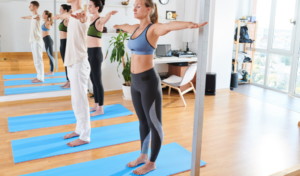 Humans love perfection, as Mother Nature intended, and so a body that moves in synergy and coordination could certainly be much more efficient than one that moves completely uncoordinated. If you lead a sedentary lifestyle with little exercise and therefore harmful behaviors, it would be helpful to minimize them as much as possible. Listen to your body and create a daily routine with some physical activity. If you feel it's appropriate, seek professional help, at least initially; they can correct what we call postural defects. Posture, however, isn't everything! Be careful when medical professionals describe your problem, pain, or defect as a consequence of your posture: everything must be proven, through tests and bodily signals; today we have the tools to understand.
Training and injury risks
There's one very important aspect to consider, however. A well-trained body, with strength and tone, will certainly be ready for sports activities, compared to a sedentary, overweight, and poorly trained person who is more at risk of physical problems. Let's start by saying: we all risk injuries or ailments, but that doesn't mean we should worry about doing activities we enjoy. Staying home isn't a solution, but the more we train and work on our bodies, the more we reduce the risk, in percentage terms, of injury. It's also true that an athlete who goes kitesurfing or freestyle skiing, even if highly trained, has chosen sports with a high injury rate. However, thanks to training, they will have greater awareness of their body, compared to a lazy person who watches TV series all day.
Time for our body
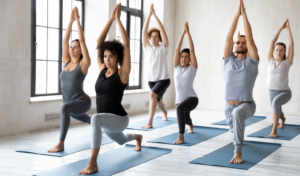 Investing time in posture and proper body use isn't a waste of time, and we can do it in countless ways, including with the help of a professional, who can address both the physical and psychological aspects. Start with very small steps and gradually progress to larger ones. My advice is to exercise in a group, but don't be afraid to do it alone; in fact, this can boost your self-esteem in the future. Find a group that does activities at your level, without any fear, but with the understanding that it's for your well-being and sometimes allows you to overcome unfounded fears and achieve greater self-awareness.